Seoraksan National Park: Where Peaks Meet the Clouds
Adventure Destination

Seoraksan National Park: Where Peaks Meet the Clouds

Seoraksan National Park in South Korea offers challenging hikes like Daecheongbong Peak, rewarding adventurers with breathtaking views. A popular destination for cultural exploration and nature hikes. Not accessible and best visited in spring or fall.

Hiking9.4/10Hard
Photo Gallery

Category

Hiking

Typical Duration

2-4 hours

Difficulty

Hard

About This Adventure Destination

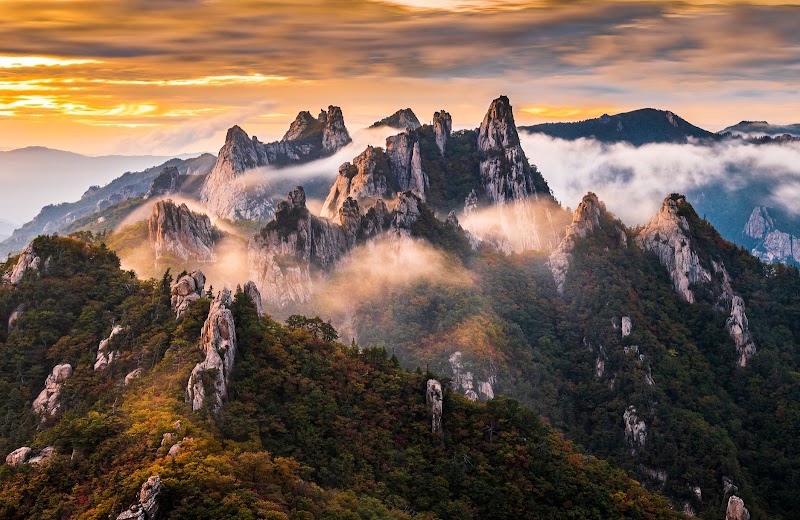
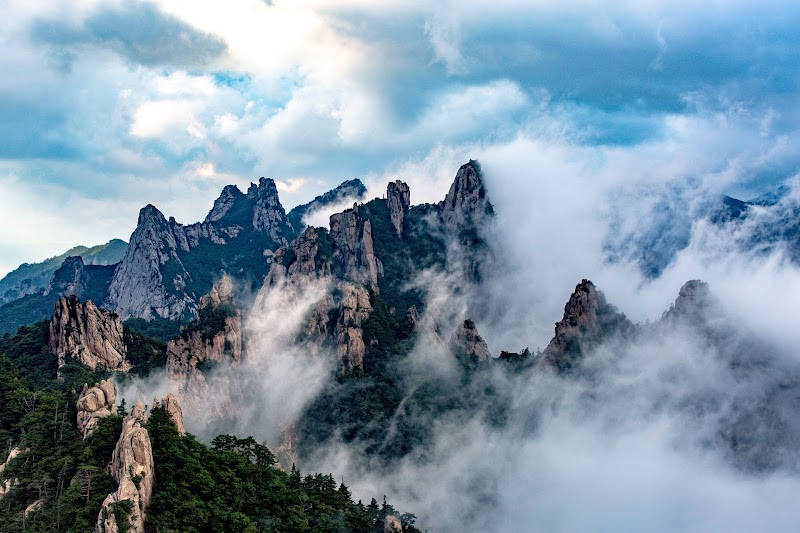
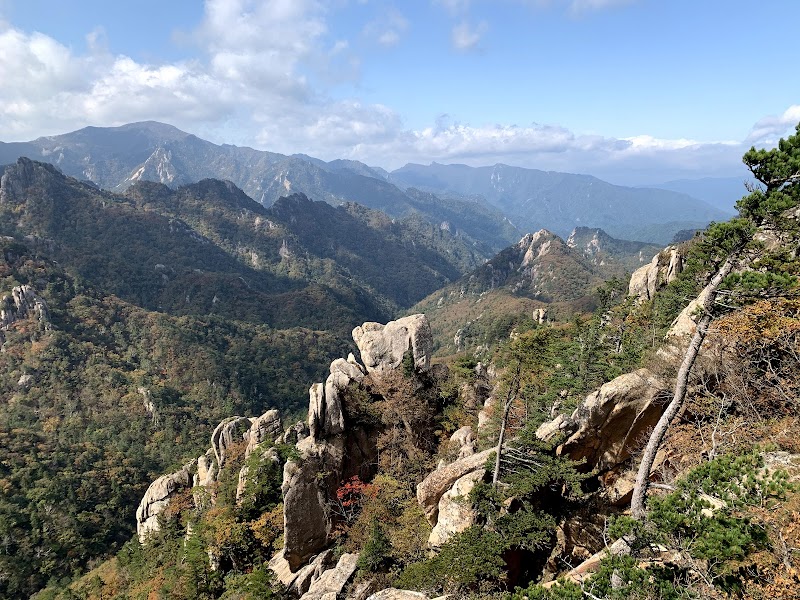
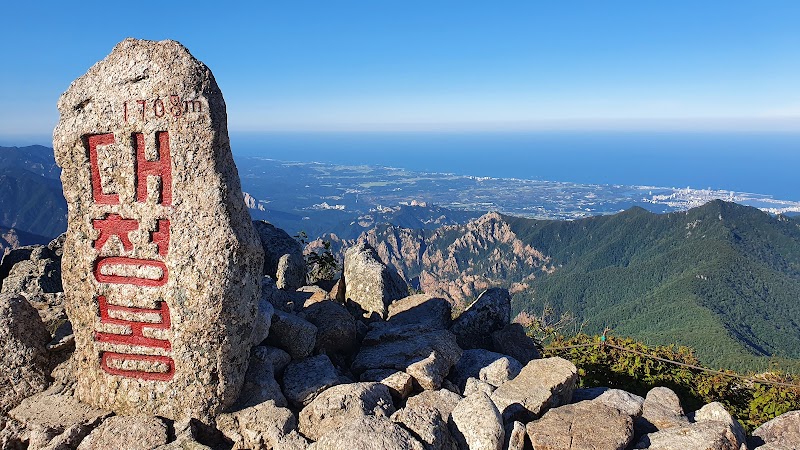
Seoraksan National Park, located near Sokcho city in Gangwon-do, South Korea, stands as one of the country’s most impressive natural landmarks. Renowned for its rugged granite peaks and vibrant seasonal colors, this park draws visitors seeking dramatic mountain scenery. Dominated by Daecheongbong, South Korea’s third-highest peak, Seoraksan offers breathtaking views and a mix of dense forests and rocky cliffs. Its geological formations, carved from ancient granite, create striking cliffs, unusual rock outcrops, and sharp ridges that thrill outdoor enthusiasts.

The park is a sanctuary for diverse plant and animal species, including rare orchids, Korean pine, and spotted deer. Visitors are often captivated by the sight of wild tigers recorded in the area historically, adding an air of mystery to the wilderness. Seasonal changes amplify the park’s appeal: fiery autumn leaves blanket the trails, while winter casts a serene snowy cover over the peaks. Spring brings delicate wildflowers that add color beneath towering cliffs.

Cultural highlights enrich the natural landscape, with historic Buddhist temples such as Sinheungsa offering calm spots for reflection amid the mountain grandeur. Established as a national park in 1970, Seoraksan is also recognized as a UNESCO Biosphere Reserve, highlighting its ecological importance.

Visitors can hike challenging trails, ride a cable car to scenic viewpoints, or simply enjoy peaceful walks near waterfalls and quiet streams. Whether arriving early to avoid crowds or catching the last light over the peaks, Seoraksan National Park provides an unforgettable mountain experience in South Korea’s northeast.


Editorial Assessment

Seoraksan National Park is a must-see destination for outdoor enthusiasts due to its unique geological features and natural beauty. Its stunning landscape, diverse wildlife, and cultural sites make it one of the top natural landmarks in South Korea, earning a high rank for its distinctiveness and appeal.
Seoraksan National Park: Where Peaks Meet the Clouds

Adventure Guide to Seoraksan National Park: Where Peaks Meet the Clouds

1

Hiking Ulsanbawi Rock

  • What Makes It Special:

    Known for its unique rock formations and panoramic summit views.

  • Features:

    A steep trail with staircases passes the famous Heundeulbawi “rocking stone” and offers rewarding vistas.

  • Local Insights:

    Trail can be icy in winter; locals often assist less experienced hikers near the summit.

  • Visitor Tips:

    Best visited in spring or fall. Wear sturdy shoes, bring water, and start early to avoid crowds.

2

Cable Car Ride to Gwongeumseong Fortress

  • What Makes It Special:

    Offers stunning aerial views of Seoraksan’s peaks and valleys.

  • Features:

    Cable car access leads near the old mountaintop fortress ruins where visitors enjoy scenic overlooks.

  • Local Insights:

    Crowds build from midday; morning rides offer a quieter experience.

  • Visitor Tips:

    Purchase tickets early and consider cold weather gear during winter.

3

Strolling Along Biryong Falls Trail

  • What Makes It Special:

    A tranquil walk through forested paths ending at a beautiful cascading waterfall.

  • Features:

    Gentle terrain with resting spots, perfect for families and those wanting a less strenuous activity.

  • Local Insights:

    Fall colors add charm; waterfalls swell after rains.

  • Visitor Tips:

    Bring a picnic to enjoy near the falls and wear waterproof footwear.

4

Getting There & Practical Notes

  • Driving Directions:

    About a 3-hour drive from Seoul; take the expressway towards Gangwon-do and follow signs to Sokcho city, then to Seoraksan National Park entrance.

  • Best Times to Visit:

    Autumn (late September to November) for vibrant foliage and spring (April-May) for cool weather and wildflowers.

  • What to Bring:

    Layered clothing for variable temperatures, hiking shoes, rain gear, water, and snacks. Seoraksan National Park offers visitors a dynamic mix of rugged mountain landscapes, cultural heritage, and varied outdoor activities that promise memorable adventures throughout the year.

Reviews

이
이성모2 weeks ago

It’s a great course for hiking with great scenery! Try hiking in the summer! So cool!

H
Hendra Yusuf2 weeks ago

Extraordinary

P
Putu Benny3 weeks ago

Interesting tourist spot. Coincidentally visited during autumn. Cool air, red leaves and a cup of hot chocolate. Enjoy

J
June Quinkitty3 weeks ago

Great destination! Enjoyed the open trail and peaceful outdoor atmosphere.

배
배명주3 weeks ago

Superb view.. majesty.. and fierce tiger unit.. I will definitely climb Mt. Seorak in my lifetime. You are so good.

Nearby Adventures

Bookable Experiences

Into the Alleys: A Nightwalk through Bukchon-ro’s Bloodied Secrets88.6 mi
Bukchon-ro, Seoul

Into the Alleys: A Nightwalk through Bukchon-ro’s Bloodied Secrets

An award-winning walking tour through Bukchon-ro that traces 600 years of murders, scandal and reported hauntings—this guide explains what you’ll see, what to bring and who should skip it.

88.6 miView Trips & Details →
$180 Night Out in Seoul: Soju, Salt-Grilled Pork and Classic Drinking Games89.4 mi
Seoul, Seoul

$180 Night Out in Seoul: Soju, Salt-Grilled Pork and Classic Drinking Games

A focused 3-hour evening tour that pairs Korean BBQ and soju with market wandering, pub games, fried chicken and doughnuts—precise, practical guidance for joining Seoul’s nightlife.

89.4 miView Trips & Details →
Seoul Hike: The Historic Trail — Six Hours Through Pines, Temples and Folklore89.4 mi
Seoul

Seoul Hike: The Historic Trail — Six Hours Through Pines, Temples and Folklore

A six-hour guided walk that threads Seoul’s afforested valleys and passes, visits Buddhist temples, and finishes with traditional food and drink—an on-foot primer on the city’s mountain heritage.

89.4 miView Trips & Details →
Dark Side of Seoul: A Folklorist-Led Walk Through 600 Years of Hauntings89.9 mi
Seoul, Gyeongsangbuk-do

Dark Side of Seoul: A Folklorist-Led Walk Through 600 Years of Hauntings

A guided ghost tour of Seoul led by folklorist Shawn that traces six centuries of Korean ghostlore — offered as a 1.5-hour regular edition or a 2.5-hour extended edition.

89.9 miView Trips & Details →
A Quiet Hike Through Korea’s Mountain Graves: Folklore, Tombstones, and the Afterlife in Samseong-dong90.8 mi
Samseong-dong, Seoul

A Quiet Hike Through Korea’s Mountain Graves: Folklore, Tombstones, and the Afterlife in Samseong-dong

A 4-hour, small-group hiking tour that pairs moderate trail walking with expert-led storytelling about Korea’s burial customs and local legends.

90.8 miView Trips & Details →
Gyeongui Line in Bloom: A Two‑Hour Cherry‑Blossom Walk from Gongdeok to Yeontral Park91.4 mi
Gongdeok-dong, Seoul

Gyeongui Line in Bloom: A Two‑Hour Cherry‑Blossom Walk from Gongdeok to Yeontral Park

A focused 2-hour guided stroll along the Gyeongui Line Forest Park that pairs history, framed photo stops and a calm finish at Yeontral Park during Seoul’s short spring peak.

91.4 miView Trips & Details →