About This Adventure Destination
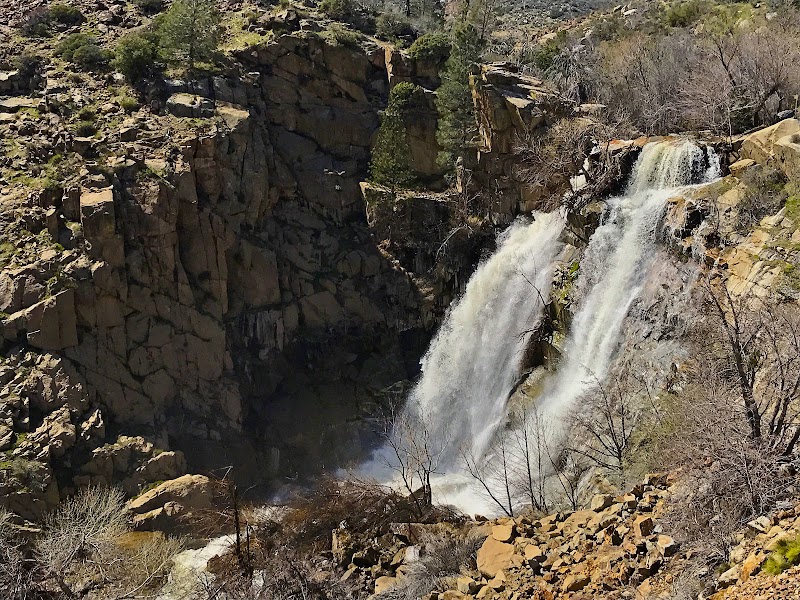
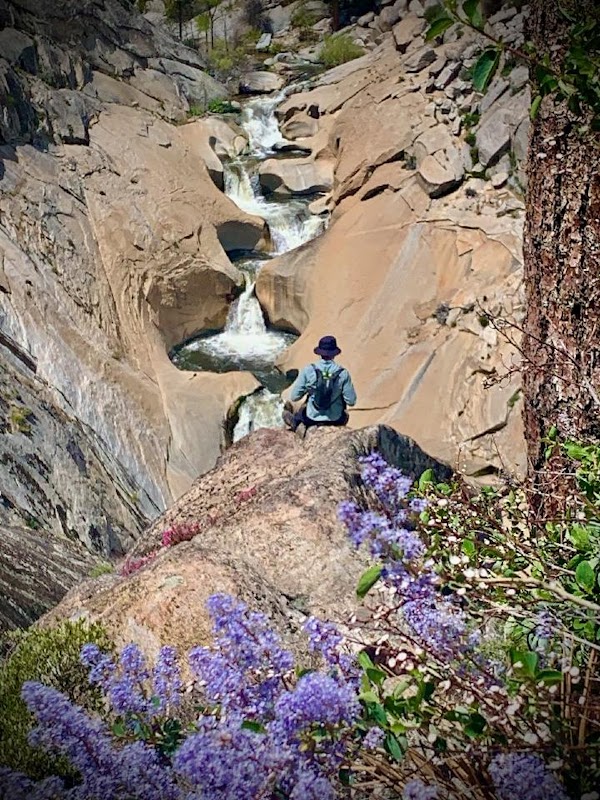
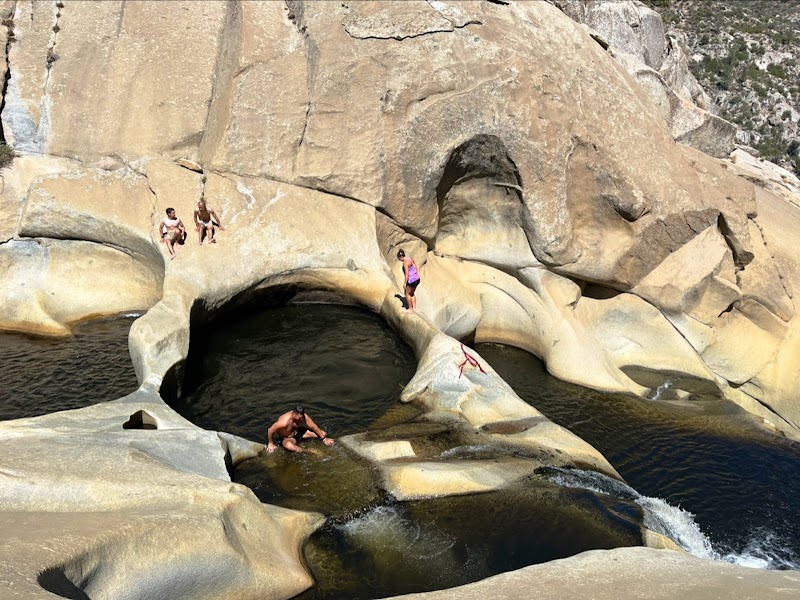
Located in the rugged foothills near Springville in California’s Sierra Nevada region, Seven Teacups Trailhead offers visitors a striking natural spectacle. The site is famous for its large, circular rock pools fashioned by the power of the Kern River’s currents over thousands of years. These "teacups" are carved into erosion-resistant granite, creating a series of deep, swirling basins filled with clear river water. This distinctive geology presents an unusual setting rarely found elsewhere in the area.
The pools vary in size and depth, making them a captivating destination for visitors who want to appreciate both the raw beauty and geological processes at work. The surrounding granite cliffs and boulders offer a stark contrast of warm golden hues to the cool blues of the water. Beyond its geological appeal, the area holds cultural significance for local indigenous communities who historically used the river and its surroundings for sustenance and spiritual practices.
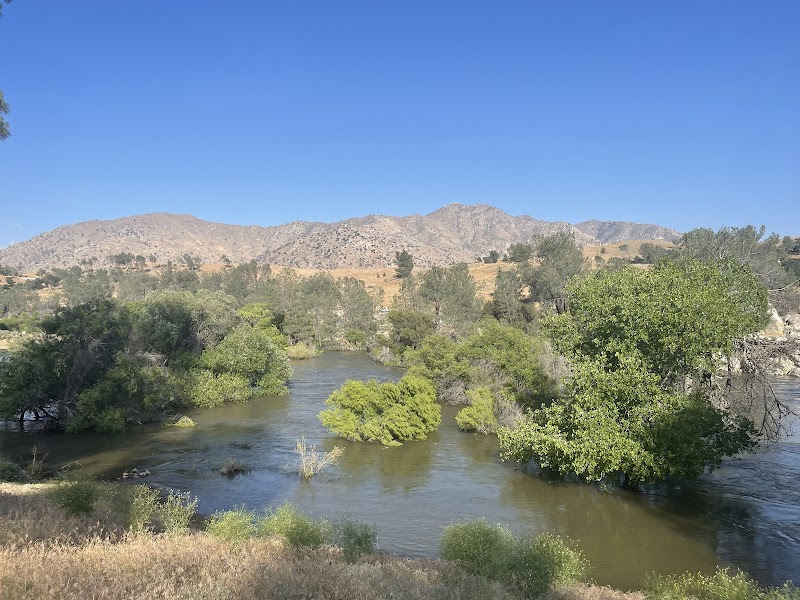
Seven Teacups Trailhead is also a gateway to the larger natural environments around the Kern River Canyon, presenting striking views and distinct flora and fauna typical of the lower Sierra Nevada ecosystem. This spot is a favored summer retreat for hikers, photographers, and nature enthusiasts who seek a refreshing swim or a quiet place to sit and enjoy the scenic interplay of water and stone.
Visitors should note that river levels fluctuate throughout the year, which affects accessibility to the pools. The tranquil yet powerful erosion that created the teacups reminds visitors of nature’s patient craftsmanship, making this trailhead a memorable stop for those venturing into California's wilderness.
The Seven Teacups Trailhead is a distinctive natural site well-known for its unique granite rock pools along the Kern River. Its rugged trail, scenic river views, and excellent opportunities for swimming and photography make it a rewarding destination. However, seasonal river conditions and limited trail signage can pose challenges, and while it demonstrates notable geological formation, it lacks the global recognition and broad visitor draw of top iconic natural landmarks. Its rating reflects a strong regional interest and distinctive outdoor experience without reaching the highest tier of worldwide iconic status.