About This Adventure Destination
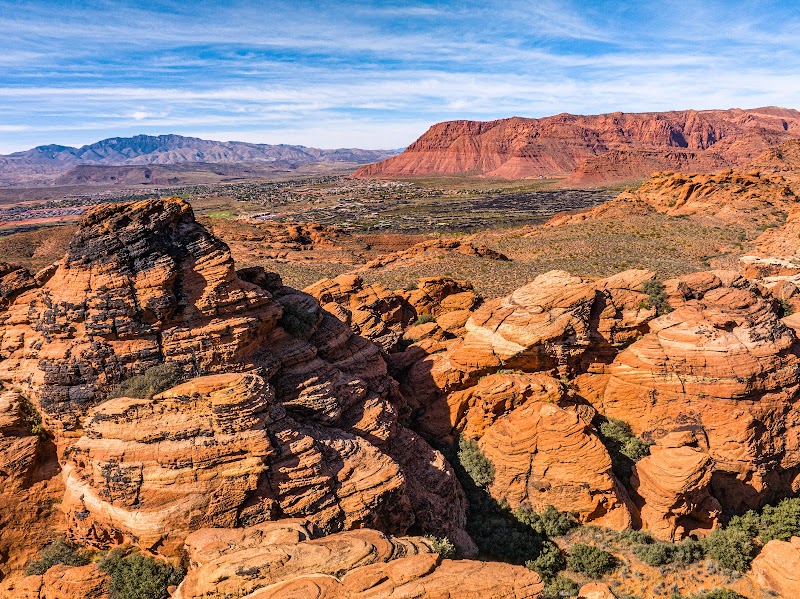
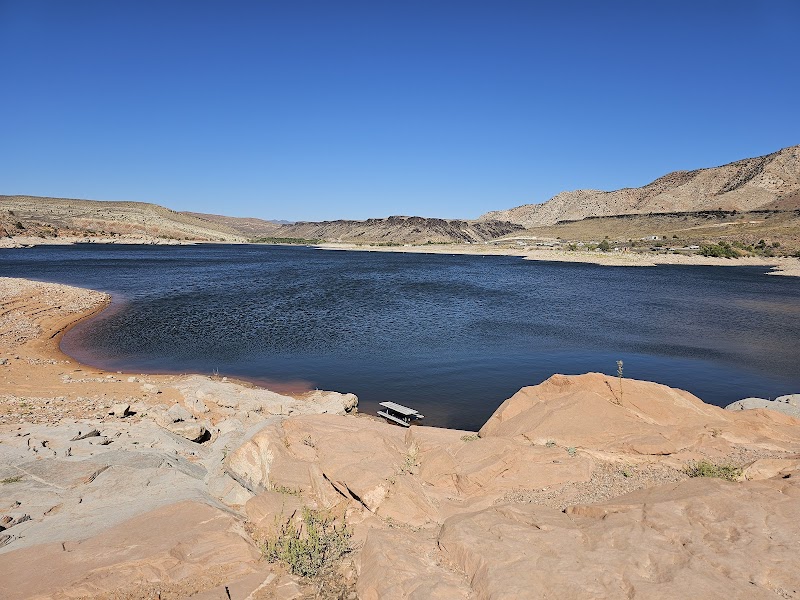
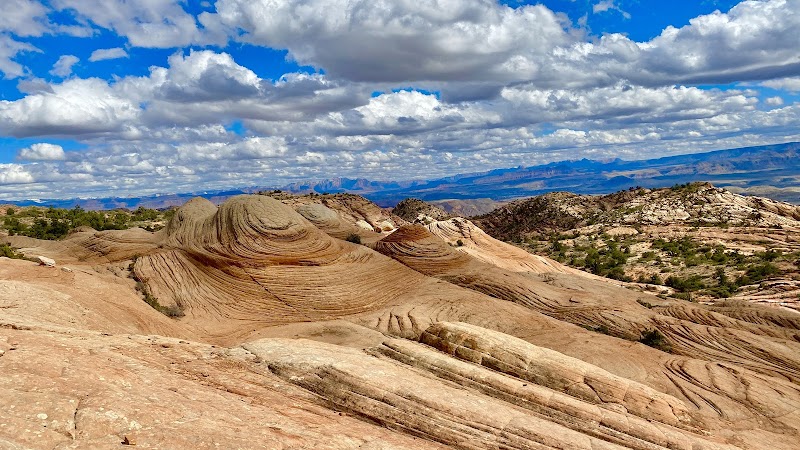
Snow Canyon State Park, located near Ivins in southwestern Utah, offers a striking blend of volcanic formations, red sandstone cliffs, and expansive desert landscape. This state park stands out as a natural gem in the region, where rugged geological features meet vivid color contrasts under the brilliant desert sun. Known for its petrified sand dunes and towering Navajo sandstone rocks, Snow Canyon provides a captivating setting that reflects both the natural history and the unique ecology of Utah’s high desert.
The park’s key highlights include steep lava tubes carved from ancient volcanic flows and sweeping dunes of sandstone that appear almost sculpted by time. Visitors can witness delicate patterns created by wind and water erosion on the striking red rocks. The sparse vegetation, including desert wildflowers and native plants like Joshua trees and desert mallow, complements the harsh but beautiful terrain. Snow Canyon was designated a state park in 1958, preserving both its scenic and recreational value while honoring the legacy of conservation efforts in this arid region.
Beyond its geological wonders, Snow Canyon is accessible year-round, making it a popular destination for families and outdoor enthusiasts. Its proximity to St. George and the broader Mojave Desert ecosystem enhances its appeal to travelers interested in southern Utah’s distinctive landscapes. The combination of incredible rock formations, desert oasis pockets, and panoramic views makes Snow Canyon a memorable outdoor destination and a standout spot on Utah’s map of natural parks.
Snow Canyon State Park offers a distinctive combination of geological formations and desert scenery that attracts a steady number of nature lovers and outdoor enthusiasts. While it may not be as famous internationally as some other natural landmarks, its unique petrified dunes, lava flows, and accessibility within Utah’s desert region make it an excellent destination for hiking and nature appreciation. The rating reflects its natural appeal, moderate popularity, and accessibility while recognizing it is more of a regional highlight than a globally iconic landmark.