About This Adventure Destination
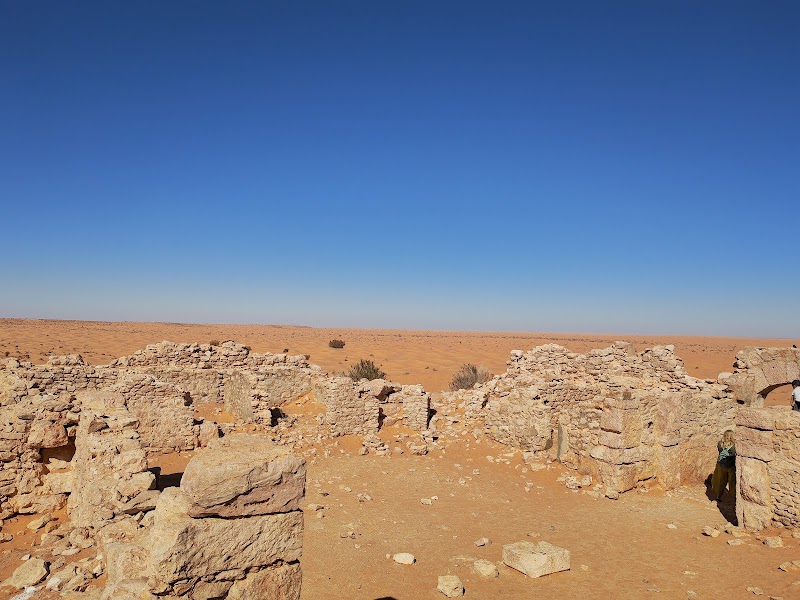
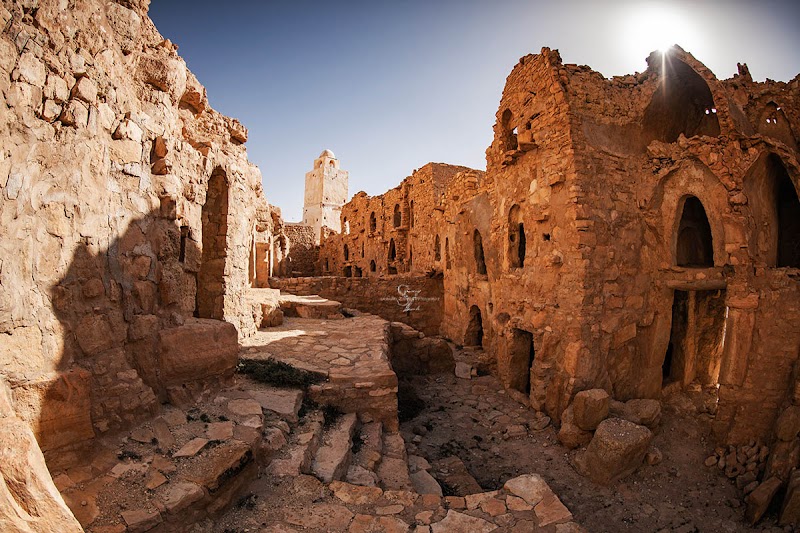
The Berber Village of Douiret, located in southern Tunisia near Tataouine, offers a rare glimpse into the region’s traditional architecture and cultural history. This ancient settlement is built from sunbaked mud bricks and stones, showcasing a distinctive design that reflects the resourcefulness of Berber communities living in a harsh desert environment. Douiret rises dramatically on a rocky hilltop, with structures that seem organically shaped by the natural contours of the land. Narrow paths and steps weave through the remains of ancient houses and granaries, inviting visitors to wander amid a living relic of North African heritage.
Key features include the village's compact stone dwellings with arched doorways and window niches, and the decaying maze-like layout illustrating early settlement strategies for protection and climate adaptation. The region’s geology is marked by rugged sandstone and limestone formations, providing a stark contrast to the finely crafted human dwellings. Though largely abandoned, Douiret's enduring ruins evoke stories of past life, migrations, and survival in the expansive Sahara frontier.
Douiret’s cultural significance is enhanced by its role as a Berber stronghold prior to modern urban development. It offers an exceptional perspective on the interface between human tradition and the natural environment. Visitors can appreciate not only the architecture but also the desert landscape surrounding the village, with its arid plateau views and indigenous sparse vegetation typical of southern Tunisia. This combination of natural and historical elements creates a unique, contemplative experience for those intrigued by ancient cultures and desert ecology.
Although Douiret offers a rich cultural and architectural experience, it does not qualify as a highly iconic natural landmark. Its main interest lies in human-made heritage and desert surroundings rather than unique geological or naturally occurring outdoor features. It is a notable destination for travelers interested in history and traditional living rather than natural landmark enthusiasts.