About This Adventure Destination
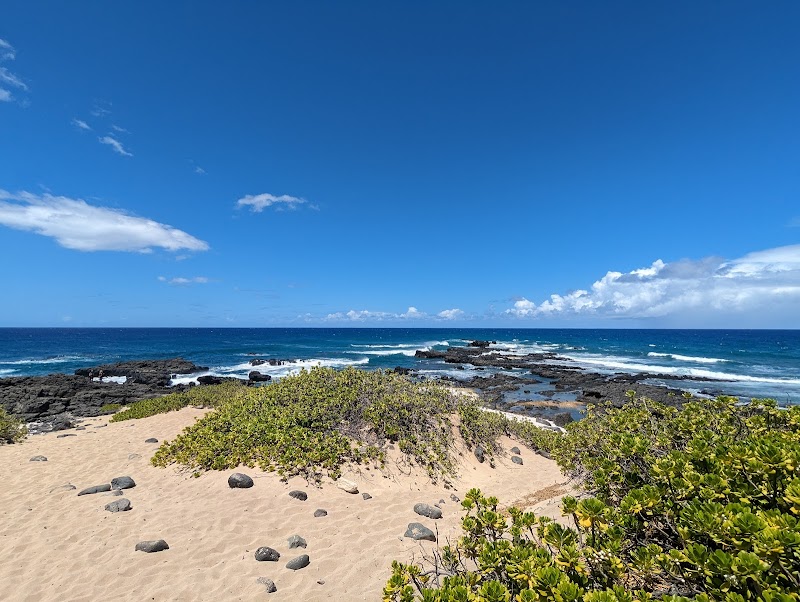
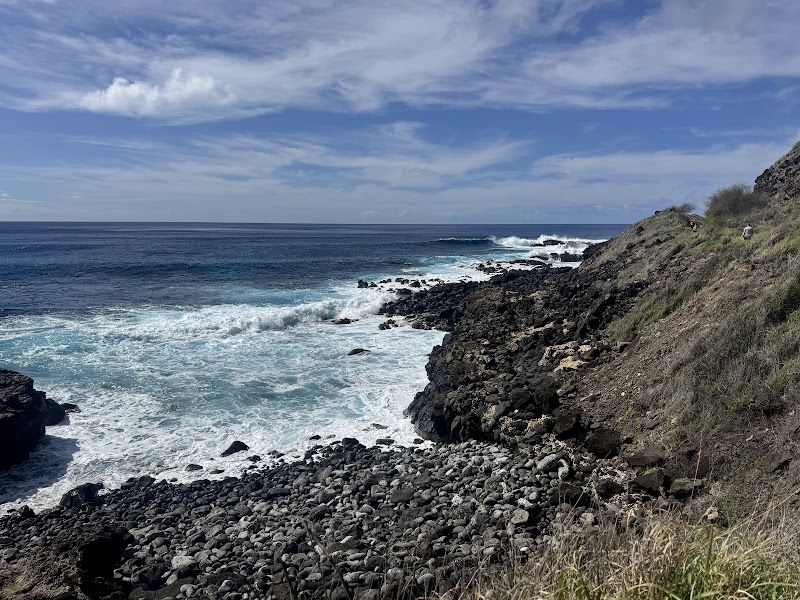
Kaʻena Point State Park, located on the western tip of O‘ahu near the town of Waialua, offers visitors an extraordinary glimpse into Hawaii’s raw coastal beauty and distinctive natural ecosystems. As the island’s westernmost point, Kaʻena Point is famed for its rugged lava rock shoreline meeting the powerful Pacific Ocean, creating breathtaking seascapes and opportunities for wildlife observation. The park encompasses a protected natural reserve notable for its native plant species and serves as a critical habitat for endangered Hawaiian monk seals and nesting seabirds, such as the Laysan albatross.
One of the park’s most remarkable features is the untouched coastline composed of volcanic rock formations, which stretches for miles and provides panoramic views of crashing waves and often, from winter through early spring, seasonal whale sightings. The area also holds cultural importance in Hawaiian traditions, being regarded as a leina ka ‘uhane— a "leaping place of spirits"— where souls were believed to depart for the afterlife.
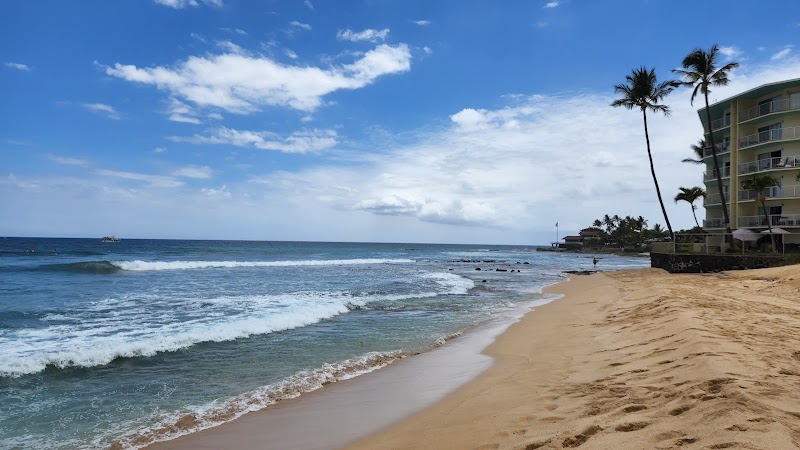
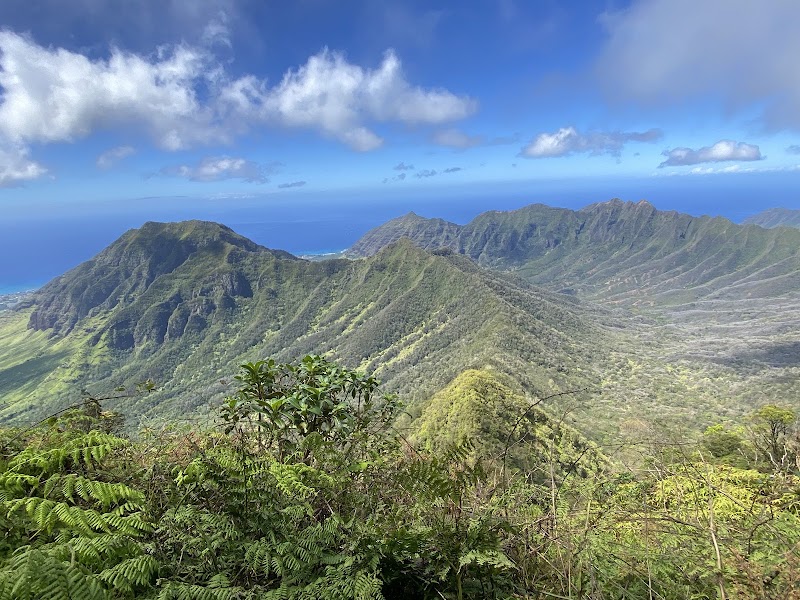
Visitors value Kaʻena Point for its relative isolation compared to the busier parts of O‘ahu, offering a sense of tranquility and connection with Hawaii’s wild side. The diverse landscapes—from coastal shrubland to low cliffs—support hardy native plants that resist invasive species, making it a sanctuary for conservation efforts. Whether interested in geology, native wildlife, or scenic coastal walks, Kaʻena Point delivers a unique experience reflecting Hawaii’s natural heritage and striking oceanfront vistas.
Kaʻena Point State Park offers an exceptional natural coastal landscape and notable wildlife presence, making it a memorable destination for outdoor enthusiasts and nature lovers. Although highly distinctive within Hawaii for its volcanic shorelines and endangered species habitat, it does not reach the top tier reserved for the most globally unique or vast natural formations. Its value lies in its wild character combined with cultural significance and conservation efforts.