About This Adventure Destination
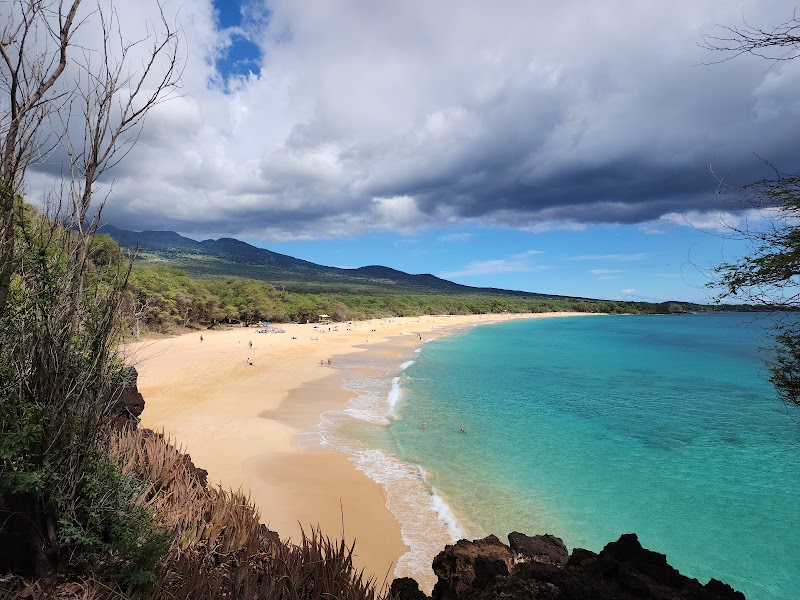
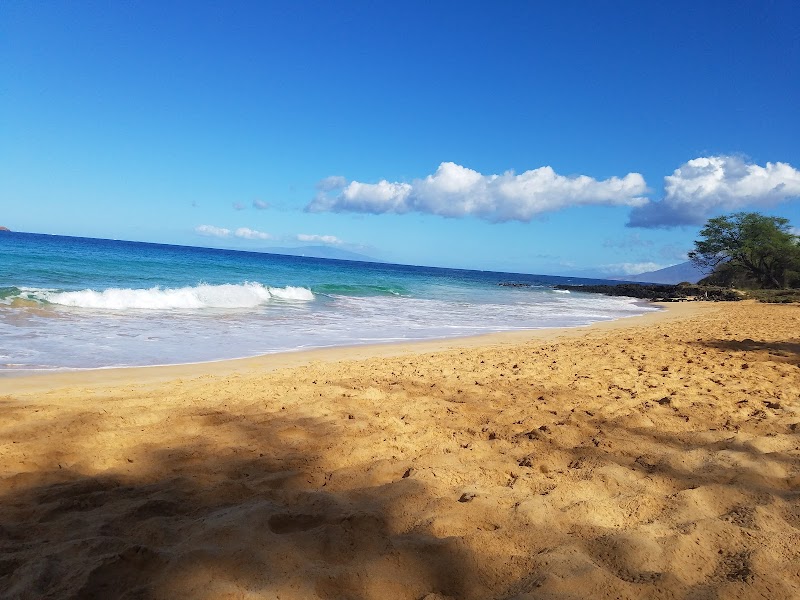
Ahihi-Kinau Natural Reserve, located on the southern coast of Maui near Wailea, Hawaii, offers a truly unique outdoor experience that showcases the raw beauty of volcanic landscapes meeting the Pacific Ocean. This natural reserve features expansive lava fields, tide pools teeming with marine life, and crystal-clear waters that provide an exceptional glimpse into Hawaii’s vibrant underwater world. The reserve is a preserved area aimed at protecting this fragile marine ecosystem, making it an important destination for eco-conscious travelers and nature lovers alike.
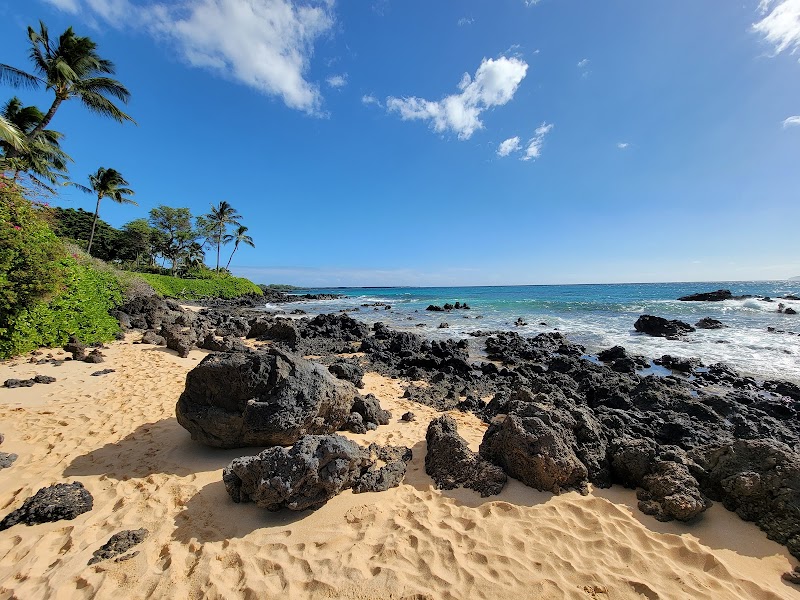
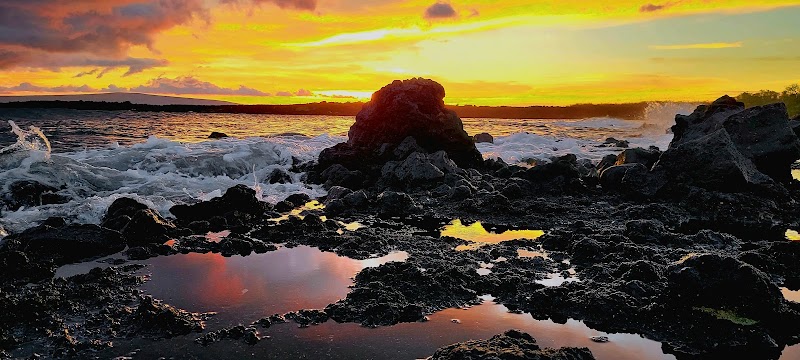
The reserve’s rugged coastline is defined by black lava rock formations formed from lava flows several centuries old. These formations create natural tide pools that brim with colorful reef fish, sea urchins, and other aquatic species, offering fascinating wildlife observations without the need for diving. The volcanic rock terrain and the surrounding waters also attract native seabirds, adding another layer to the area’s natural allure.
Beyond its geological features, Ahihi-Kinau carries cultural weight as part of Native Hawaiian heritage, with the ocean playing a critical role in local traditions and subsistence. Established in the early 1970s to preserve endangered coral reefs and marine habitats, it stands out as one of Maui’s few protected marine areas where visitors can witness the interaction between land and sea in its natural state.
For those interested in witnessing Hawaii’s distinct volcanic origins alongside marine biodiversity, Ahihi-Kinau is a refreshing contrast to busier resort areas nearby and a testament to the island’s wild, untouched coastline.
Ahihi-Kinau Natural Reserve is a standout destination for its unique volcanic coastal landscape and rich marine ecosystem, offering outstanding snorkeling and hiking opportunities. While it is not as globally renowned as other natural landmarks, its protected status and contrast with developed areas make it highly valuable for visitors focused on Hawaii’s natural heritage and water-based activities.