About This Adventure Destination
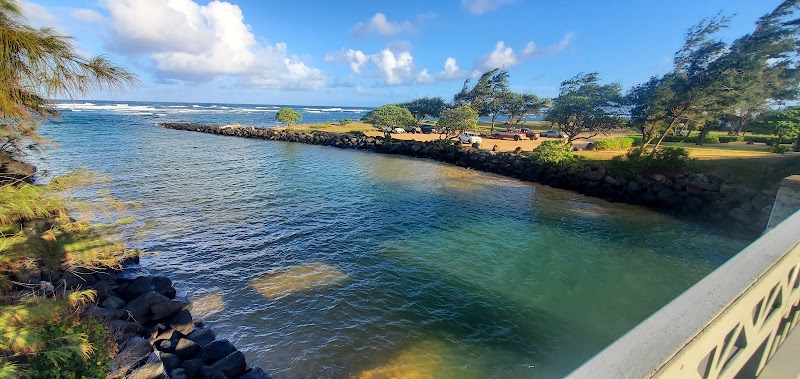
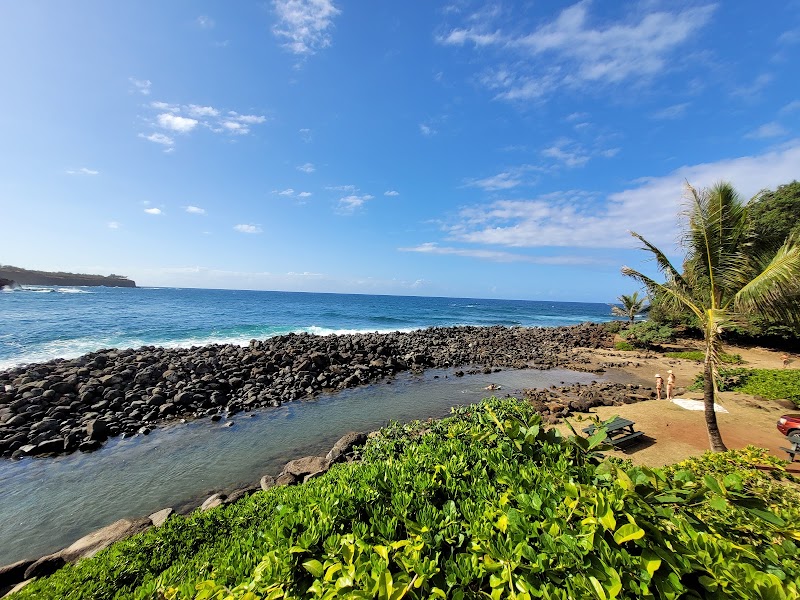
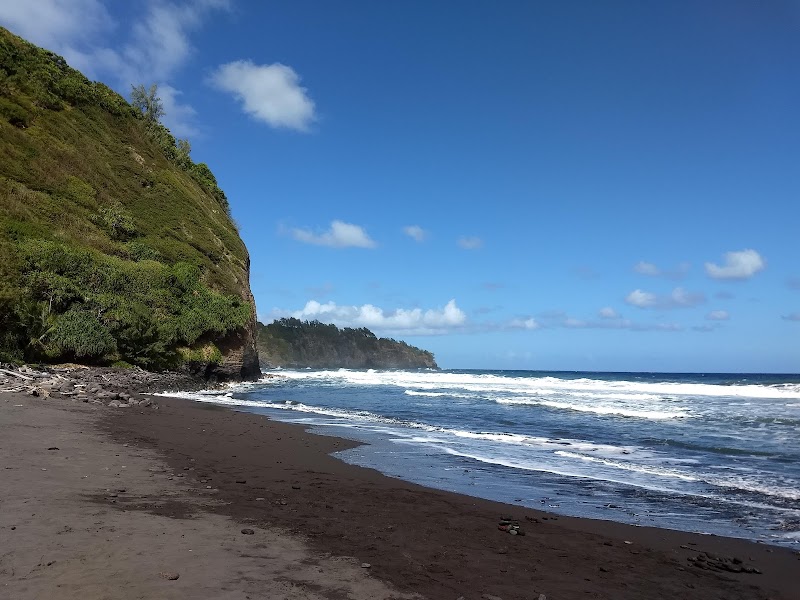
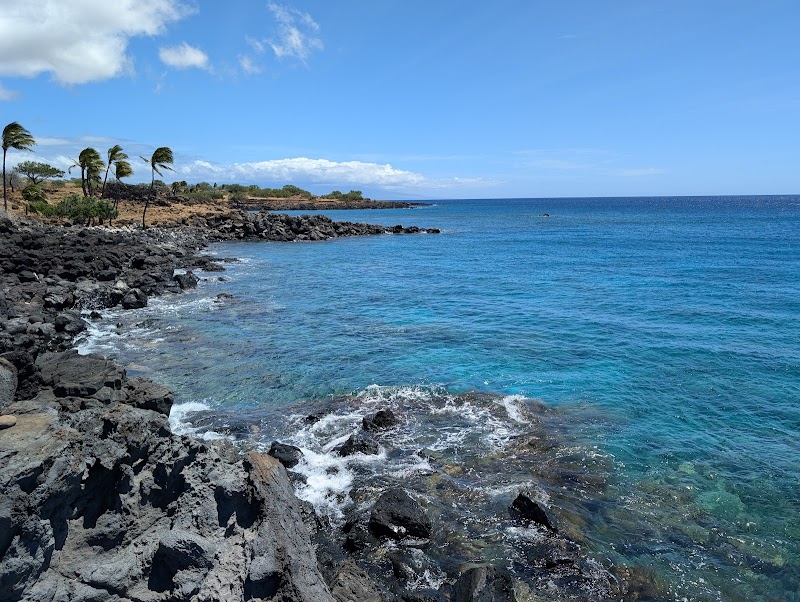
Lapakahi State Historical Park is located on the rugged northwest coast of the Big Island near Waimea, Hawaii. This unique park offers visitors a rare glimpse into traditional Hawaiian coastal life through an ancient fishing village’s well-preserved ruins, sitting alongside dramatic volcanic rock formations that meet the Pacific Ocean’s deep blue waters. The park is distinguished by its sprawling lava fields shaped by historic lava flows and coastal lava tubes, which are fascinating geological features often admired here. The shoreline is rocky yet inviting, with clear waters that reveal rich marine biodiversity just offshore. Apart from geological wonders, this spot has cultural significance as it preserves remnants of an ancient Hawaiian community dating back several centuries, with stone structures that tell stories of a self-sufficient fishing and farming lifestyle. Native plants and palm trees add a lush contrast to the dark lava landscape. Visitors appreciate its blend of natural beauty and cultural heritage, making it a standout destination among Hawaii’s coastal parks. The tranquility and open ocean views coupled with the historical context create a meaningful experience reflective of the island’s past and natural splendor. The park’s location away from busy tourist hubs allows for a peaceful visit and offers excellent opportunities for hiking short trails that wind through ruins and lava fields, plus birdwatching and ocean viewing. This is a place where nature and history coexist visibly, making it a distinctive outdoor landmark on the Big Island.
Lapakahi State Historical Park offers a distinctive blend of geological and cultural features that provide an engaging outdoor experience. While its historical ruins and lava formations hold special local importance and natural beauty, it is less well-known on a global scale compared to the most iconic natural landmarks. The site is praised for peaceful coastal access and educational value but does not reach the top tier of worldwide natural icons due to more limited scale and broader international recognition.