About This Adventure Destination
Slough Creek Campground sits inside Yellowstone National Park in the park's northeastern landscape and functions as a practical hinge between the Slough Creek Trail and the wide riparian valley that frames the creek. The campground is small, riverside, and described in the supplied sources as a place where the sound of the creek and frequent wildlife sightings shape the pace of a stay. The Slough Creek Trailhead lies a short drive up the same dirt road that leads to the campground; the trail itself is a relatively flat wagon road used historically and today, and it can be a long through-route or a short out-and-back for day hikers.
The campground matters because it grants immediate access to the creek, to productive trout pools, and to the valley that illustrates a living Northern Rocky Mountain ecosystem—places where riparian regrowth, browsers, and predators interact in visible ways. Practical conditions are rustic: reviews report a small site count, pit or vault toilets, and no potable water, while the editorial source emphasizes both fishing rules and wildlife-distance regulations. Those features make Slough Creek Campground a specific choice: it favors visitors who accept minimal infrastructure in exchange for creekside sites and direct access to wildlife-rich terrain.
Setting the road in: approach and first impression
The last stretch toward Slough Creek Campground follows a dirt road off the Tower Junction approach; the Slough Creek Trailhead is located about 1.7 miles up that road and just before the campground according to the supplied article. Several visitor reports describe the road as bumpy and potholed, and one review characterizes the final approach as a few miles of rough driving. These travel details matter because they affect vehicle choice, pacing on arrival, and expectations for services on-site.
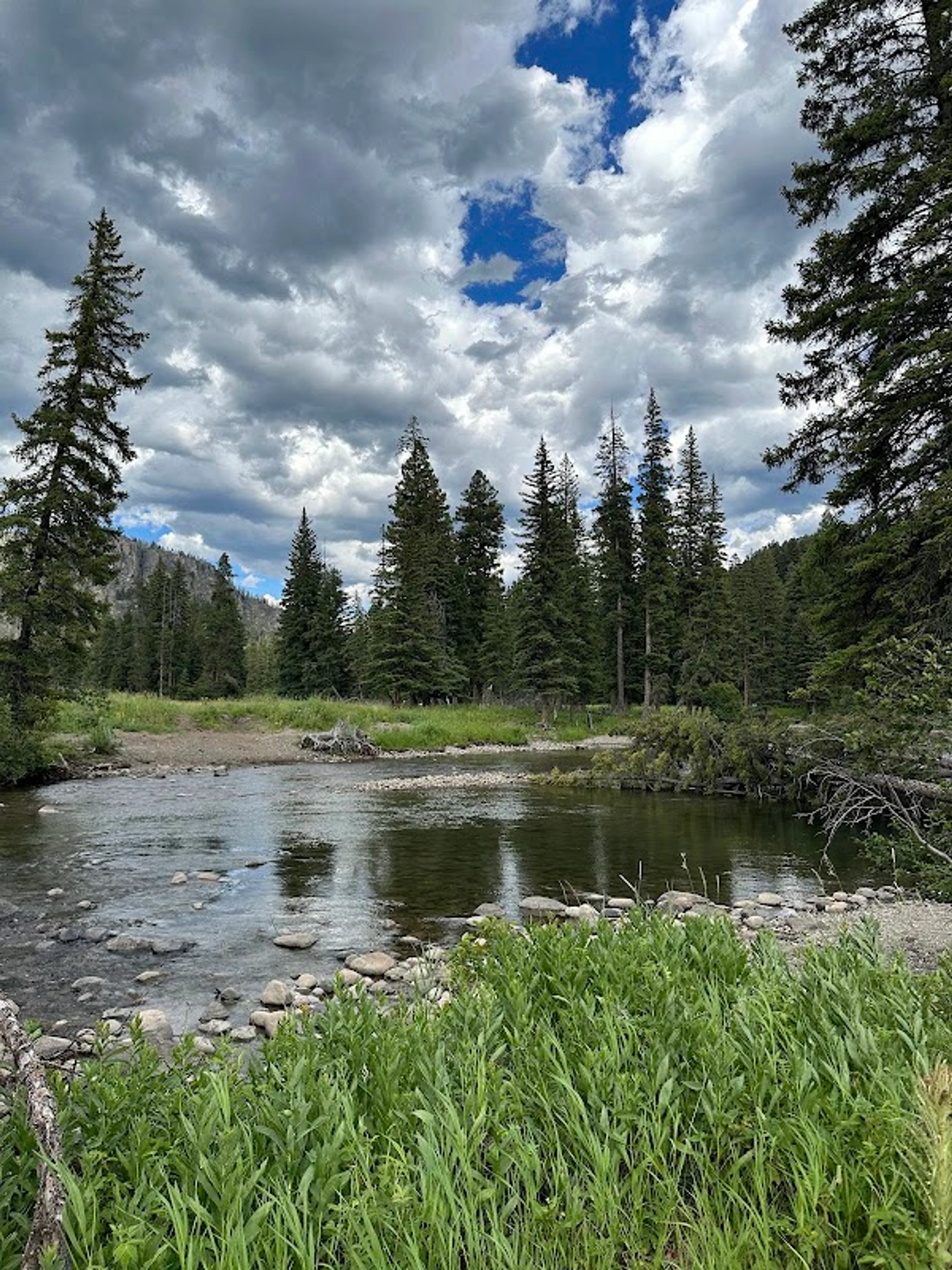
Arrival tends to feel rustic rather than serviced: visitors who describe the campground note an intimate cluster of sites, the creek running beside some pitches, and simple sanitary facilities. That mix—short drive, immediate creek, and basic amenities—frames the practical decisions visitors must make about water, food storage, and wildlife-aware campsite routines.
Campground experience: what a night looks and feels like
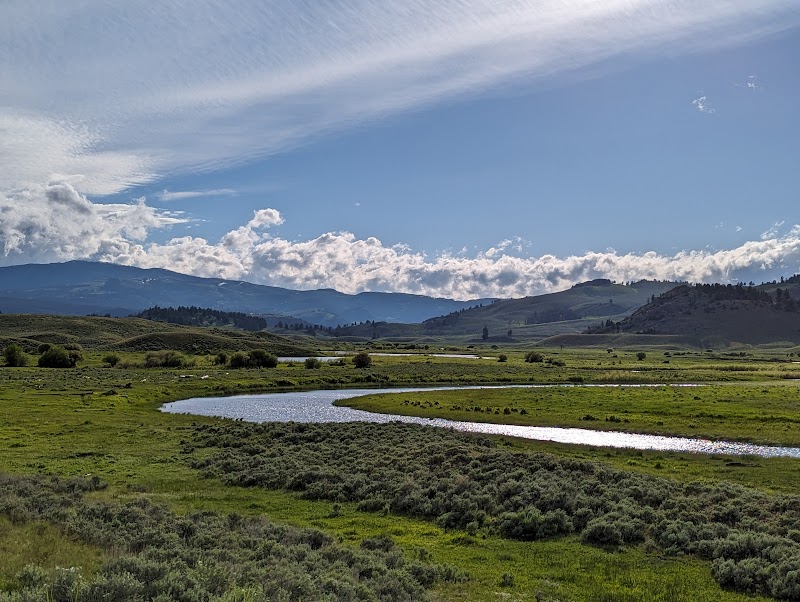
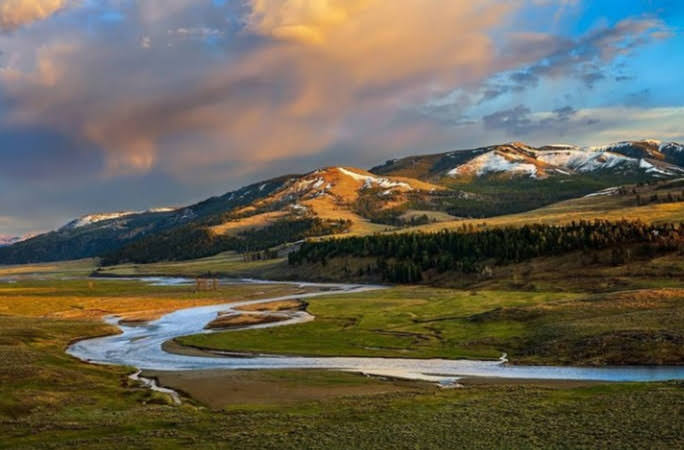
Multiple supplied reviews describe sleeping close to the creek and encountering large animals near or within the campground. Reviewers report bison moving through the campsite, bears seen across the creek, and an overall sense that wildlife travel through the area. That recurring visitor impression pairs with the primary article’s ecology-focused description of Slough Creek valley as a broad, treeless corridor that supports moose, pronghorn, deer, elk, and the wolves that hunt them.
Visitor accounts also provide practical specifics: one report identifies a small total of sites and names particular sites as more secluded, another notes a day-use area next to the river, and more than one review flags the campground’s nighttime quiet and excellent night-sky views. Together, the editorial source and reviews paint a campground experience defined by proximity to wildlife and to the creek rather than by developed comforts.
Wildlife and landscape: why this valley reads like an ecosystem lesson
The supplied article frames Slough Creek and its trail as a demonstration of a functioning Northern Rocky Mountain ecosystem, describing how wolf reintroduction altered browsing patterns and allowed riparian shrubs to regenerate. That ecological point explains why observers see riparian regrowth along Slough Creek and why the valley supports a layered assemblage of species, from fish to ground-nesting birds to large ungulates and their predators.
Because of that ecological context the primary article and reviewers both emphasize caution: the article explicitly recommends carrying bear spray on the person and specifies that Slough Creek is prime grizzly habitat. Several supplied visitor accounts corroborate close wildlife encounters—reporting bison traffic through the campground and seeing predators or their sign nearby—underlining the importance of wildlife-distance rules and campsite awareness.
Trails, fishing, and how visitors typically use the place
The Slough Creek Trail itself is described in the article as a relatively flat wagon road that extends roughly 22 miles to the park boundary but also supports shorter out-and-back use—examples cited include roundtrips of 4–8 miles and a four-mile hike to the Buffalo Plateau Trail junction. The trail parallels the creek and is repeatedly recommended as a binocular-worthy route because it opens onto wide valley views and productive riparian habitat.
Fishing is a recurring practical purpose: the article calls Slough Creek a blue-ribbon trout stream and names Yellowstone cutthroat trout as the dominant native species, and it advises anglers that fishing in Yellowstone requires lead-free tackle and a valid park fishing permit. Visitor reports add that anglers often find solitude on upper pools and that walking a little farther up the trail increases the chance of quieter fishing runs.
Who should pick a site here—and the trade-offs
Slough Creek Campground most clearly suits travelers who prioritize proximity to wildlife, fishable water, and access to a broad riparian valley over campsite conveniences. The primary article highlights the interpretive value of the area—an ecosystem visible in motion—while supplied reviews make clear the campground’s low-infrastructure character and close wildlife encounters.
Conversely, travelers who expect potable water on-site, extensive facilities, or heavily managed family-campground infrastructure should weigh alternative park lodgings. The combination of wildlife presence and basic facilities means visitors must plan carefully for water, food storage, and vigilance around animals.
Conclusion
Slough Creek Campground matters because it places visitors at the edge of an active riparian valley where predator–prey dynamics, recovering vegetation, and trout-bearing pools are all immediately legible. The site delivers creekside camping and direct access to the Slough Creek Trail and fishing, in a setting that requires accepting modest facilities and heightened wildlife awareness.
For anglers, experienced campers, and wildlife observers who plan ahead for water and storage and who value being near the creek and the trail, Slough Creek Campground is a deliberate choice. For those who need more services or who prefer low wildlife exposure, the campground’s ecological character and limited infrastructure are likely to be limiting factors rather than assets.
Strengths: direct creekside camping, immediate access to the Slough Creek Trail and trout fishing, and a clear ecological narrative in the riparian valley supported by the primary article. Limitations: limited infrastructure (visitor reports note no potable water and basic toilets), a small campground footprint that can feel exposed to wildlife movements, and rough access road conditions; these practical constraints reduce broad traveler suitability. (sources: source_article, review_2, review_3, review_4, review_0)