Adventure brief
H2 Certification Hang Gliding Package
Move beyond basics at Morningside Flight Park: a 10–12 lesson H2 hang gliding progression for pilots honing steeper takeoffs, ridge flight, and traffic‑pattern skills. Train on an authentic New Hampshire ridge site with experienced instructors guiding you toward USHPA Hang 2.
The H2 Certification Hang Gliding Package at Morningside Flight Park in Charlestown, New Hampshire, is a focused progression program for pilots moving from beginner to intermediate skill levels. Set on the south-facing ridge above the Connecticut River valley, this course is built around 10–12 hands-on lessons that sharpen takeoffs, landings, and flight decision-making while preparing students for the USHPA Hang 2 rating. Instructors blend classroom briefings with repeated practice on steeper launches, ridge-soar techniques, and traffic-pattern discipline.
What makes this program stand out is its site-specific training. Morningside Flight Park, located at 357 Morningside Ln, offers a compact learning environment where pilots can practice directional control, airspeed management, and hang checks in real ridge lift and variable weather—conditions that mirror the challenges pilots will face elsewhere in New England. The package deliberately advances pilots into denser airspace awareness, FAA rule familiarity, and scenarios that test judgment during gusty spring thermals and summer sea-breeze influences.
Expect structured progression: early lessons repeat fundamentals, then introduce steeper takeoffs, more assertive landing approaches, and controlled exposure to turbulent conditions. Coaches emphasize communication, site protocol, and safe judgment calls—skills as valuable as stick-and-wing technique. Students typically complete the program between May and October when conditions are reliably flyable; weather remains the final arbiter.
Beyond the curriculum, the flight park contributes to the region’s outdoor culture by concentrating pilot experience in one managed training site. That focus reduces pressure on informal launch areas and builds a local standard for safety and environmental stewardship. For travelers, pairing lessons with an afternoon hike beside the ridge or a riverside picnic adds a low-key New England outdoor day.
Practicalities: the course is meant for pilots with H1 certification or those very close to completion. Bring weather-appropriate layers, sturdy footwear for hill work, and a mindset for repeated practice. Lessons are progressive and weather dependent; gift certificates are available and do not expire.
This program is not a casual tandem flight—it's deliberate flight training aimed at producing competent, confident pilots ready to expand where and when they fly. Whether you’re polishing maneuvers or earning credentials, the H2 package at Morningside condenses critical experience into repeatable drills on an authentic ridge site—an efficient, community-minded step toward safer, more capable hang gliding across New Hampshire and beyond. Instruction emphasizes incremental exposure rather than risky single-day leaps; mentors log progress, review video debriefs when possible, and tailor drills to local lift patterns.
Beginners who are near H1 completion should expect repeated takeoff rehearsals and simulated emergency procedures; more experienced students will work on precise glide-path control and landing accuracy under traffic rules. For visitors, Charlestown offers lodging and drives to trail systems, making the training package easy to pair with multi-day outdoor travel.
Adventure tips
Plan your experience.
Curated tips for an optimal adventure.
- 01Arrive with layered clothingessential
Thermals and ridge winds can shift quickly—bring windproof layers and gloves for variable conditions.
- 02Hydrate and snack between lessonsinfo
Short, focused sessions stack up; carry water and quick snacks to keep energy and concentration high.
- 03Practice radio callswarning
Know site protocol and standard traffic-pattern radio calls before you fly to streamline lessons and increase safety.
- 04Inspect your gear each dayessential
Preflight checks and harness inspections are routine; don’t skip them, especially after transport over rough ground.
Recommended gear
What to bring.
Certified hang gliding helmet
Protects against impact during training and is required by most instructors.
EssentialPilot harness
Proper fit and connection points are critical for control and safety during lessons.
EssentialWeatherproof layers
Light insulating and windproof layers keep you comfortable on exposed ridgelines.
springEssentialFlight gloves
Improve grip and protect hands during repeated takeoffs and landings.
springEssentialLocal insights
Context for the journey.
Nearby secrets
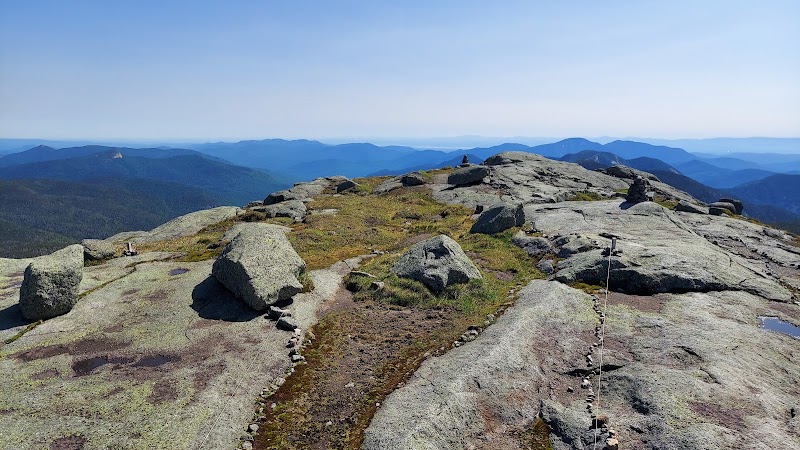
Ridge-top launch viewpoint at Morningside Flight Park for sweeping valley perspectives, Low-lying riverside approach fields that reveal seasonal wildflowers during lower winds
Local fauna
Red-tailed hawk, White-tailed deer
Historic heritage
Morningside Flight Park functions as a managed training site where regional pilots progress through USHPA ratings and share local site protocol.
Mindful exploration
Pilots are asked to stick to designated launch and landing zones to minimize erosion and follow pack-out rules to protect native vegetation.
Photography tips
Capture the moments
- Viewpoints
- Ridge launch area for overhead action shots, Landing field for close-up approach photos, Approach corridor above the river for valley composition
- Subjects
- Action shots of pilots, Ridge and valley landscape, Close-ups of gear and rigging
- Best times
- Morning thermals, Golden hour, Overcast action-friendly light
Frequently asked questions
Before you go.
Who is this course designed for?
Pilots who hold H1 certification or are close to completing H1 and want structured lessons toward USHPA Hang 2.
How many lessons are included?
The package includes approximately 10–12 lessons; progress depends on weather and individual skill development.
When is the season for training?
Instruction is offered May through October when ridge conditions are most reliable; sessions are weather dependent.
Do gift certificates expire?
Gift certificates are available and do not expire, making them flexible for future scheduling.
What should I bring to each lesson?
Bring a certified helmet, harness if you have one, weather-appropriate layers, sturdy footwear, water, and snacks.
Is this a tandem or solo certification course?
This is a progressive training program for student pilots; it’s focused on solo skill development rather than tandem experiences.