Kayak Anna Maria: Paddling the Shallow Blue of Anna Maria Island
Anna Maria Kayak Guide

Kayak Anna Maria: Paddling the Shallow Blue of Anna Maria Island

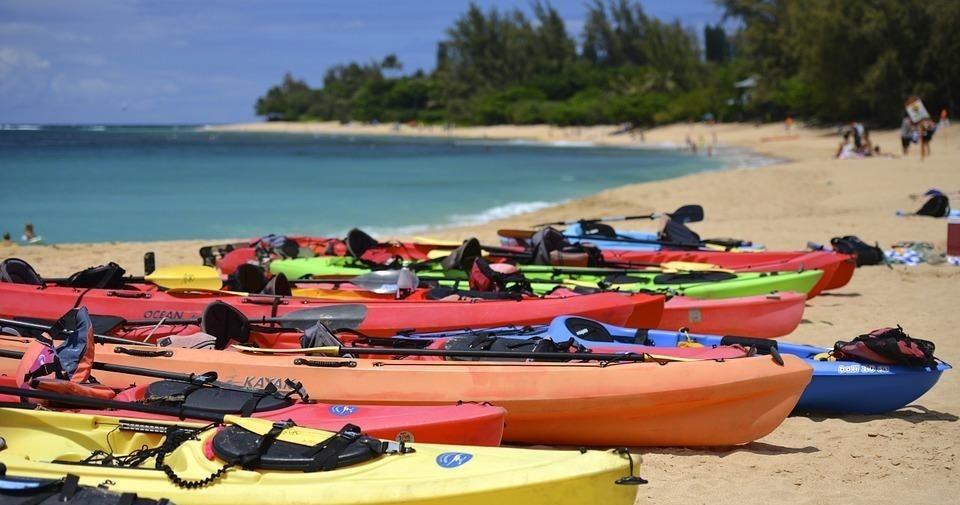
Anna Maria’s shallow bays, mangrove-lined channels, and gentle Gulf swells make it an ideal, low-stress playground for kayak travelers. Expect salt-scented breezes, oyster bars visible at low tide, and easy wildlife encounters—from roseate spoonbills and herons to playful dolphins. This guide focuses on paddling the island’s best routes, how tides and wind shape each outing, and practical planning for calm, safe, and memorable trips.

Gulf of MexicoAnna Maria IslandRoberts BayLongboat Key

Live destination inventory

Top Kayak Trips in Anna Maria

89 trips · Book with confidence · Instant confirmation

The prototype intentionally does not invent replacement trip cards or add images that are not already part of the live source page.

The city from the water

Why Anna Maria Island Is a Standout Kayak Destination

Anna Maria is a place where the act of paddling becomes a slow-motion way to read the coastline. The island’s geomorphology—long sandy beaches fronting the Gulf, broad tidal flats, and protected bays framed by mangrove fingers—creates a diversity of kayak experiences within a few miles. Morning launches into Roberts Bay reveal glassy water threaded with docks and mangrove tunnels; mid-day trips toward the Gulf expose you to wide horizons and the rhythmic swell of blue water; at low tide, expansive flats and sandbars emerge, turning a paddle into a study of shorebirds and shells. The island’s human rhythm matters as much as its tides. Beach towns like Bradenton Beach and Holmes Beach are compact and unhurried, so public launches and rental shops are easy to access without long transfers. Local guides specialize in short natural-history tours—key for first-time paddlers who want to combine wildlife viewing with practical on-water instruction. For more independent travelers, the flat water and predictable currents around the island make self-guided routes practical and safe when you watch wind and tides. Environmental sensitivity threads through every trip. Mangroves are nursery habitat for snook and juvenile reef species; seagrass meadows support green sea turtles and manatees when they pass through; migrating shorebirds depend on quiet mudflats. Responsible paddling here means low-speed approaches to wildlife, no trampling of exposed flats, and reef-safe sunscreen. Beyond the practical, kayaking around Anna Maria is a tactile way to connect to the Gulf’s seasonal cycle—the shifting light of winter mornings, the carnival warmth of summer sunsets, and the spring surge of vagrant birds and blooming sea grasses. Practically, the island’s paddling season stretches long: winter months are mild and quiet, spring brings clearer water and active wildlife, and fall offers reliable winds for longer crossings. Afternoons can build onshore breezes that complicate returns, so many paddlers favor mornings or late afternoons. Whether you’re after a soft-hour wildlife cruise, a family-friendly sandbar picnic, or a longer coastal hop to Longboat Key, Anna Maria delivers approachable, scenic paddling with a strong conservation ethos.

Shallow bays and mangroves make for sheltered, beginner-friendly routes, but wind and tides still shape difficulty—plan around forecasted breezes and tidal range.

Wildlife opportunities are abundant: manatees, dolphins, shorebirds, and wading birds are common; respect space and keep encounters low-impact.

Activity focus

Choose by purpose

Whale watching, snorkeling, sunset sailing, cultural canoeing, harbor sightseeing, or private chartering.

Departure hubs

Start near the city

Waikiki and Honolulu Harbor are primary hubs, with some trips launching near Hanauma Bay.

Accessibility

Confirm the vessel

Gangways, shaded seating, and boarding requirements vary according to vessel size and operator.
Seasonal planning

Best Time to Visit

Anna Maria is warm year-round, but wind, swell, migration, visibility, and demand change the best match between traveler and trip.

Anna Maria boat tour
Year-round destination

Seasonal highlights change the reason to go

Winter favors humpback encounters; warmer, calmer months favor snorkeling visibility and smoother water.

Humpback season

Spring break and winter holidays draw the most visitors—expect busier launches and limited parking during those periods.

Prime whale watching, winter holidays, higher demand, and earlier sell-outs.

Snorkeling window

March–April–May–September–October–November

Typically gentler seas and clearer water for snorkeling trips.

Weather notes

Trade winds year-round

Anna Maria’s climate is mild year-round; spring and fall combine comfortable air temperatures with clearer waters and lighter winds. Summer is hot and humid with brief afternoon thunderstorms; hurricane season (June-November) can bring heavy weather and sea state concerns.

Quieter opportunities

Late spring & summer weekdays

Late fall and winter offer quieter waterways and lower lodging rates; water temperatures are cooler but still paddleable for layered paddlers.

Match the trip to your comfort

Choose Your Experience Level

Low effort

Beginner

Calm, protected bay paddles, short mangrove channels, and sandbar picnics with minimal navigation skills required.

  • Roberts Bay wildlife loop
  • Shallow mangrove tunnel exploration
  • Sandbar picnic and beach-hop
Active day trip

Intermediate

Longer point-to-point paddles between island beaches and nearby keys, moderate wind management, and basic tide planning.

  • Crossing to Longboat Key
  • Coastal hop along the Gulf shoreline
  • Sunset paddle with dolphin viewing
Longer or technical

Advanced

Open-water crossings on the Gulf side, paddles timed with tidal currents, and longer self-supported trips requiring navigation and weather-readiness.

  • Extended Gulf crossing to nearby barrier keys
  • Multi-hour backcountry sea-trout and permit-focused fishing paddle
  • Tidal-scheduled mangrove-to-gulf linkups

Prepare for sun, spray, and swell

What to Bring

Essential

Core kit

  • USCG-approved personal flotation device (PFD)
  • Dry bag for phone, keys, and layers
  • Water, high-energy snacks, and hydration bottle
  • Sun protection: brimmed hat, sunglasses, and SPF 30+ (reef-safe) sunscreen
  • Light wind shell and quick-dry clothing
Recommended

Useful extras

  • Whistle or small signaling device
  • Tide chart or tide app and a basic route plan
  • Waterproof map or offline map app
  • Small first-aid kit and blister care
  • Water shoes for launches and sandbar exits
Optional

Trip-specific

  • Binoculars for birding
  • Compact camera or action-cam with float strap
  • Fishing license and light tackle if combining with inshore fishing
  • Neoprene or thin insulation in winter months
Check weather, wind, and tide before launching; keep an eye on onshore winds that build in the afternoon.

Insider Tips & Local Knowledge

Reserve whale-watching and popular sunset cruises well ahead during December–April.
Choose morning snorkeling departures for calmer seas and better underwater visibility.
For motion sensitivity, choose a larger vessel, sit mid-ship, and take preventative medication before boarding.
Do not touch coral or wildlife, avoid standing on reefs, and use reef-safe sunscreen.
Community-based operators may add context about traditional navigation and stewardship.
Arrive early for parking and check-in because Waikiki departure areas can be busy.

Planning questions

Frequently Asked Questions

No general statewide permit is required for recreational kayaking, but some private ramps or parks may charge fees. When launching from a marina or private facility, check access rules and parking regulations.
Kayak Anna Maria: Paddling the Shallow Blue of Anna Maria Island
Ready for your kayak adventure?

Browse 89 verified trips in Anna Maria.

Compare current availability and book with instant confirmation.

Explore Anna Maria kayak