Stand‑Up Paddleboarding (SUP) in Anna Maria, Florida
Anna Maria SUP Guide

Stand‑Up Paddleboarding (SUP) in Anna Maria, Florida

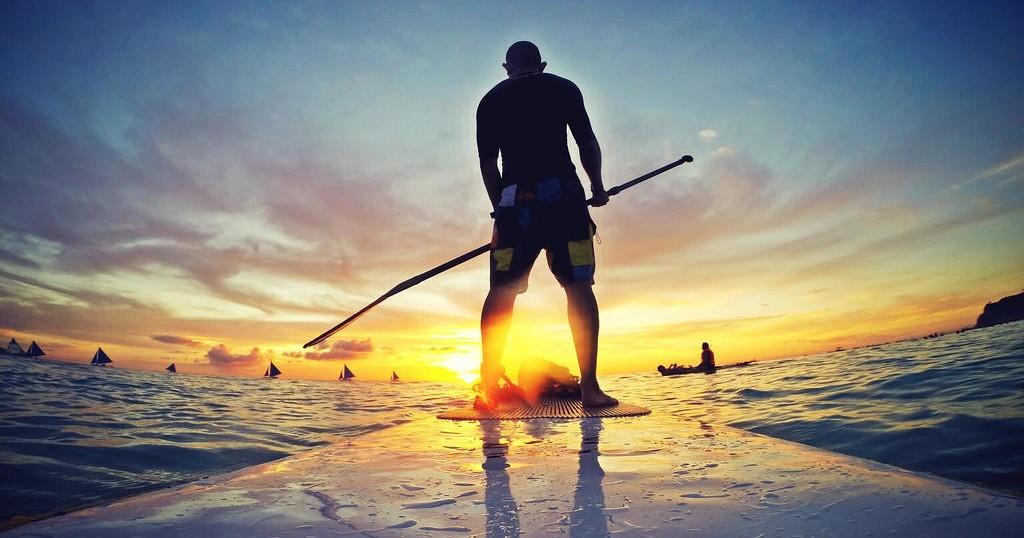
Shallow, warm water, broad horizons and a coastline that favors calm mornings—Anna Maria is a small island with outsized appeal for stand‑up paddleboarders. Whether you crave a glassy dawn paddle past mangrove tunnels, a wildlife‑rich estuary tour with manatees and great egrets, or a breezy gulf crossing between quiet sandbars, the paddling options here are immediate and accessible. This guide focuses on the stand‑up paddleboarding scene: best launch points, how tides and wind shape routes, safety and etiquette around fragile seagrass beds and wildlife, plus the rentals and guided tours that make SUP here easy for newcomers and rewarding for the experienced.

Gulf CoastAnna Maria SoundMangrove ChannelsBean PointHolmes Beach

Live destination inventory

Top SUP Trips in Anna Maria

32 trips · Book with confidence · Instant confirmation

The prototype intentionally does not invent replacement trip cards or add images that are not already part of the live source page.

The city from the water

Why Anna Maria Is a Stand‑Up Paddleboarding Destination

Anna Maria Island reads like an invitation to paddle. Narrow, human‑scaled and spatially generous at the water’s edge, the island offers an easy transition from land to sea: low sandy beaches, public boat ramps tucked between neighborhoods, and shallow flats that extend for dozens of yards before deep water. For SUP enthusiasts the geography is a gift—protected bays and inlets that calm the wind, mangrove tunnels that create shaded, cathedral‑quiet channels, and broad gulf flats where you can stand in waist‑deep water to adjust a leash or photograph an approaching dolphin. What makes paddling here distinctive is the mix of accessibility and intimacy. You don’t need a long drive, a steep launch, or a big boat to reach wildlife and scenic variety; a short carry from a neighborhood street can put you at the edge of a chase of wading birds, a sleeping manatee, or a school of baitfish skirting the seagrass. Guided tours and local rental shops shuttle novices into safe, scenic circuits—shallow, low‑current routes with clear sightlines—while more confident paddlers can string together longer passages that trace the sound, explore uninhabited shorelines and hop to nearby keys. The tides and the seasonal wind patterns shape everything. Mornings are often the calmest, with glassy water that turns the waterfront into a mirror; afternoons can shift with a steadier onshore breeze that’s ideal for a downwind run but can make returns tricky for beginners. Environmental sensitivity is another essential layer. The island’s underwater meadows and mangrove roots host fragile ecosystems; paddlers are expected to practice no‑wake approaches, avoid trampling seagrass from shorelines and give wildlife wide berth. Local stewardship efforts and rules around dog access, shelling, and beach fires preserve the slow, low‑impact character of the place. Culturally, Anna Maria’s small‑town shoreline vibe means paddling blends with everyday life. You’ll share the water with fishermen casting from flats, families snorkeling near sandbars, and kayakers exploring winding channels. Complementary outdoor experiences—biking the island’s quiet roads, shelling at low tide, or casting a light fly‑rod off a quiet point—pair naturally with a SUP itinerary, letting travelers tailor half‑day paddles into a whole day of coastal discovery.

Anna Maria’s shallow, warm waters make it especially beginner‑friendly; however wind and tidal currents require route planning and local knowledge for longer or gulf‑facing paddles.

Wildlife encounters are frequent: manatees in winter and spring, dolphins year‑round, and a rich bird life along mangrove fringes—always keep distance and minimize disturbance.

Activity focus

Choose by purpose

Whale watching, snorkeling, sunset sailing, cultural canoeing, harbor sightseeing, or private chartering.

Departure hubs

Start near the city

Waikiki and Honolulu Harbor are primary hubs, with some trips launching near Hanauma Bay.

Accessibility

Confirm the vessel

Gangways, shaded seating, and boarding requirements vary according to vessel size and operator.
Seasonal planning

Best Time to Visit

Anna Maria is warm year-round, but wind, swell, migration, visibility, and demand change the best match between traveler and trip.

Anna Maria boat tour
Year-round destination

Seasonal highlights change the reason to go

Winter favors humpback encounters; warmer, calmer months favor snorkeling visibility and smoother water.

Humpback season

Late winter through spring (birding and mild weather) and spring break weekends can be busier on beaches and at popular launch points.

Prime whale watching, winter holidays, higher demand, and earlier sell-outs.

Snorkeling window

March–April–May–October–November–December

Typically gentler seas and clearer water for snorkeling trips.

Weather notes

Trade winds year-round

Anna Maria enjoys mild winters and hot, humid summers. Late winter and spring bring calm mornings and comfortable days good for longer paddles; summer afternoons can be breezy and bring afternoon storms. Hurricane season runs June 1–November 30—monitor forecasts for extended trips.

Quieter opportunities

Late spring & summer weekdays

Summer mornings offer solitude before afternoon winds; winter can bring cooler water but excellent wildlife viewing (manatee presence increases). Weekdays year‑round are quieter than weekends.

Match the trip to your comfort

Choose Your Experience Level

Low effort

Beginner

Stable boards on protected bays and shallow flats; short circuits with few navigational hazards and minimal current.

  • Glass‑calm sunrise paddle off Holmes Beach
  • Introductory guided bay tour through mangrove edges
  • Sandbar stop with shallow swim and shelling
Active day trip

Intermediate

Longer paddles across the sound, routes that follow tidal channels, and mild open‑water crossings that require navigation and basic wind management.

  • Anna Maria Sound loop with stop at a quiet point
  • Cross‑sound paddle to small undeveloped keys
  • Guided wildlife and birding SUP tour
Longer or technical

Advanced

Downwind runs along the gulf, multi‑mile point‑to‑point crossings timed with tides and wind, and early‑season paddles that require rescue skills and route planning.

  • Gulf edge paddle to remote sandbars on an outgoing tide
  • Long‑distance loop combining sound channels and nearshore ocean stretches
  • Stand‑up fishing excursions targeting flats with changing winds

Prepare for sun, spray, and swell

What to Bring

Essential

Core kit

  • Leash and personal flotation device (PFD) — required or strongly recommended
  • Lightweight, quick‑dry clothing and sun protection (hat, sunglasses, SPF)
  • Waterproof phone case or dry bag
  • Water and snacks
  • Tow line or whistle for emergencies
Recommended

Useful extras

  • Board shoes or water sandals for rocky or grassy launches
  • Light jacket or windbreaker for early morning or breezy afternoons
  • Basic first‑aid kit and reef‑safe sunscreen
  • Portable pump and repair kit for inflatable boards
Optional

Trip-specific

  • Binoculars for birding
  • Waterproof camera or action cam with mount
  • Compact pump‑up inflatable board for travel
  • Small anchor or sand stake if you plan to stop at a sandbar
Check tide tables and local wind forecasts; mornings are usually calmest. Respect wildlife and protected habitats; when in doubt, give extra distance.

Insider Tips & Local Knowledge

Reserve whale-watching and popular sunset cruises well ahead during December–April.
Choose morning snorkeling departures for calmer seas and better underwater visibility.
For motion sensitivity, choose a larger vessel, sit mid-ship, and take preventative medication before boarding.
Do not touch coral or wildlife, avoid standing on reefs, and use reef-safe sunscreen.
Community-based operators may add context about traditional navigation and stewardship.
Arrive early for parking and check-in because Waikiki departure areas can be busy.

Planning questions

Frequently Asked Questions

No general paddling permit is required for stand‑up paddleboarding in Anna Maria’s public waters, though specific parks or preserves may have their own rules or parking fees. If launching from a managed preserve, check local signage for restrictions.
Stand‑Up Paddleboarding (SUP) in Anna Maria, Florida
Ready for your sup adventure?

Browse 32 verified trips in Anna Maria.

Compare current availability and book with instant confirmation.

Explore Anna Maria sup