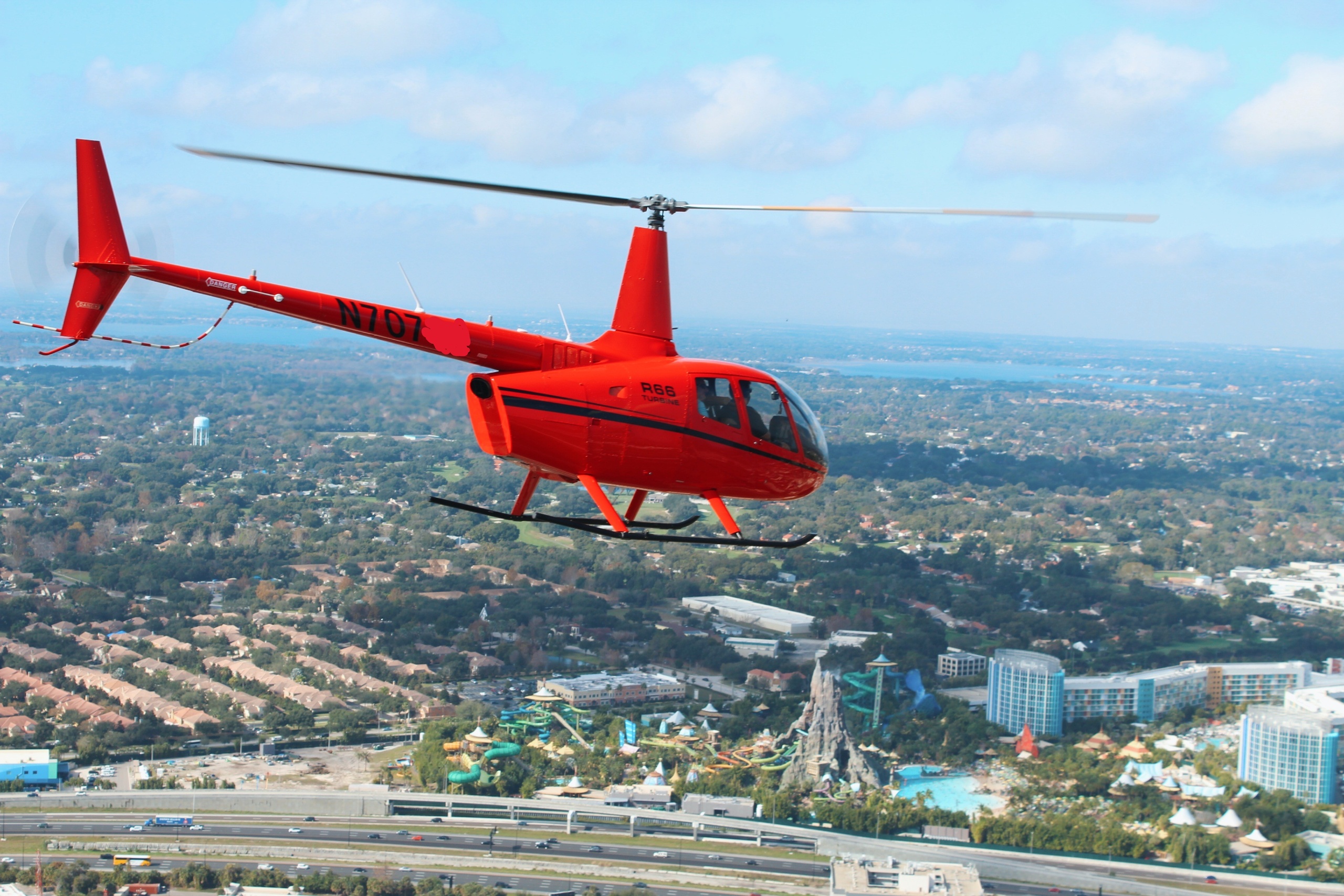
There are places that ride the wind and places the wind seems to have been invited. Auburndale belongs to the latter. The town is framed by shallow lakes and broad agricultural flats that make for predictable morning air and forgiving landing zones—conditions pilots prize. At first light, the landscape reads like a watercolor: mirrored lakes silencing the world below, tree lines sharpening into shadow, and the distant tilt of citrus rows making geometric patterns that only reveal their scale from above. That is the essential argument for taking to the air here: everything that feels small and ordinary on the ground—boats, docks, a lone pier—turns cinematic from above.
The variety of air experiences around Auburndale is quietly comprehensive. Hot-air balloons float slow and low for sunrise panoramas; ultralights and small-prop aircraft offer quick hops that can link multiple lakes in a single circuit; paramotors and powered paragliders give pilots nimble access to low-altitude flying with immediate landings; and seaplane or floatplane operations—where available—let you touch down on water for a different kind of arrival. Each discipline emphasizes different trade-offs: balloons trade speed for serenity, powered paragliders trade infrastructure for intimacy, and light aircraft trade simplicity for range. For travelers, that means you can choose an experience that fits your appetite for thrill, photography, or quiet observation.
Operationally, Auburndale benefits from clear, navigable airspace and a network of nearby small airstrips and lakes that operators use for takeoff and landing. Mornings are usually calm and cool—prime for ballooning and smooth sightseeing flights—while afternoons can build thermal activity that pilots use or avoid depending on the platform. Weather is the defining variable: seasonal humidity and afternoon thunderstorms in summer limit reliable midday flying, but fall through spring yields long runs of calm, clear mornings perfect for sunrises and golden-hour photography. Practical travel planning in this context means booking early-morning slots, allowing flexible windows for weather delays, and choosing operators who explicitly describe their safety, weight, and cancellation policies.
Beyond technicalities, aerial time above Auburndale reframes how you see Central Florida. From above, wetlands and suburban edges read differently; migratory birds and shallow marshes register as critical habitats rather than anonymous green. Flights are not just scenic—they’re a lens for understanding regional ecology and the human footprint on a landscape shaped by water management, agriculture, and recreation. Combine a flight with lake paddling or a shoreline picnic and the contrast between vertical and horizontal travel becomes the trip’s quiet lesson: air activities here are as much about perspective as they are about motion.
Auburndale's mix of lakes and open fields reduces obstacles for low-altitude operations, which is why small aircraft, ultralights, and powered paragliders operate frequently here. Early mornings provide the most reliable flying windows, while afternoons can be disrupted by convective storms in warmer months.
Many aerial experiences pair naturally with lake-based activities—seaplane pickups or shoreline landings let travelers stitch together a day of flight and water recreation. Operators typically require reservations and will brief passengers on weather, weight limits, and launch/landing procedures.
The harbor is the gateway, and the Pacific becomes the classroom.
Because the region is ecologically active—migratory birds, wetlands, and fisheries—responsible operators emphasize minimum-altitude practices and avoidance of sensitive areas. Ask about wildlife-friendly flight paths and off-season restrictions when booking.
Choose by purpose
Whale watching, snorkeling, sunset sailing, cultural canoeing, harbor sightseeing, or private chartering.
Start near the city
Waikiki and Honolulu Harbor are primary hubs, with some trips launching near Hanauma Bay.
Confirm the vessel
Gangways, shaded seating, and boarding requirements vary according to vessel size and operator.