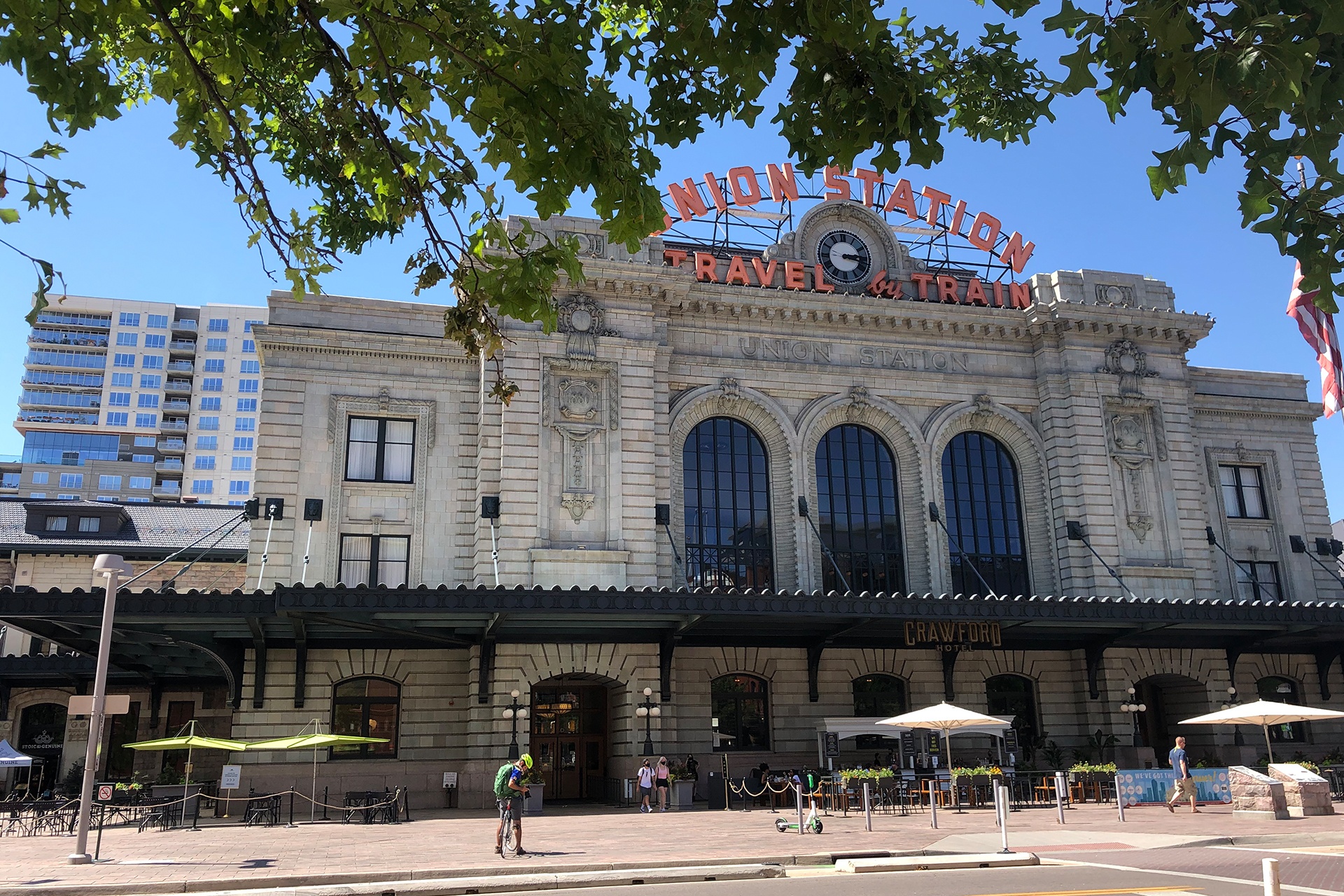
Why Train Travel in Aurora Deserves Your Itinerary
There’s a specific type of attention the world asks of you on a train: a slow, deliberate watchfulness that turns ordinary territory into a series of framed scenes. In Aurora, that perspective is surprisingly rich. The city’s rail lines—part commuter lifeblood, part transit corridor—cut across suburban plains, edge industrial arteries, and open toward Denver’s rail spine. In practice, taking the train here feels like piloting between neighborhoods of different eras: ranch‑style suburbs give way to office parks and then to the brick and glass of Union Station, where historic timbers and modern glass meet like conversation partners.
For travelers, Aurora’s trains are both practical and quietly cinematic. Hop on an RTD light-rail car at a neighborhood stop and you’re negotiating a cross-section of contemporary Colorado: dog walkers at small parks, students with backpacks, construction cranes signaling growth, and, on clear days, the distant silhouette of the Rockies. These short segments are deceptively powerful—they stitch together neighborhood life, create access to trailheads, and let you arrive at a trailhead or a riverwalk without the friction of parking. And for those who want to push beyond the metropolitan, rail connections make it possible to step from an urban commute directly onto longer national routes that thread the mountains.
The heritage of rail travel here is also part of the region’s identity. Denver Union Station is the fulcrum: a restored 19th-century depot turned civic living room that anchors regional rail and long-distance services. From Aurora, that hub is reachable and from there you can access scenic corridors and excursions that trace switchbacks and river valleys into the high country. That makes Aurora an excellent staging point for hybrid adventures—bike/ride loops, day trips that begin with a light-rail hop and end with a guided float trip or a mountain hike, and photography outings that rely on precise arrival and departure times so you can catch light on the river or at a historic station.
Finally, train travel in and from Aurora folds environmental and social thinking into travel planning. Trains reduce the need for single-occupant cars on routes that often thread sensitive suburban ecosystems, and they invite travelers to slow their pace—an orientation that reveals details you miss when driving fast. Practical benefits round out the romance: consistent schedules, wheelchair-accessible platforms, and easy bike accommodations on many services. For the outdoor-minded traveler, that means more time on trails and waterways and less time circling for parking. In short: Aurora’s trains are more than connectors—they are a different way to read the region, offering an experience that is at once urban, transitional, and quietly scenic.
Local utility: Light rail and commuter lines in Aurora serve as efficient connectors to Denver, airport links, and transfer points for longer scenic routes—useful for planning low‑stress arrival and departure logistics.
Gateway to the Rockies: While Aurora itself is urban-suburban in texture, nearby regional and national rail services accessible via Denver open rail-based options into the mountains for day trips and overnight adventures.
Choose by purpose
Whale watching, snorkeling, sunset sailing, cultural canoeing, harbor sightseeing, or private chartering.
Start near the city
Waikiki and Honolulu Harbor are primary hubs, with some trips launching near Hanauma Bay.
Confirm the vessel
Gangways, shaded seating, and boarding requirements vary according to vessel size and operator.