Top 12 Stand-Up Paddleboarding (SUP) Adventures in Awendaw, South Carolina
Awendaw SUP Guide

Top 12 Stand-Up Paddleboarding (SUP) Adventures in Awendaw, South Carolina

Awendaw’s low, wide horizon and labyrinth of tidal creeks create a paddler’s textbook for stand-up paddleboarding: glassy morning flats, bird-filled marsh edges, and open-water runs toward barrier islands. This guide gathers accessible launches, wildlife-rich estuary loops, and coastal crossings for paddlers of varying skill—emphasizing tides, winds, and local stewardship so your trip feels effortless and responsible.

Cape Romain National Wildlife RefugeTidal marsh estuariesIntracoastal WaterwayBarrier islands & creeks

Live destination inventory

Top SUP Trips in Awendaw

12 trips · Book with confidence · Instant confirmation

The prototype intentionally does not invent replacement trip cards or add images that are not already part of the live source page.

The city from the water

Why Awendaw Is a Standout SUP Destination

Awendaw is where the Carolina coast feels deliberate and unhurried—an expanse of marsh channels, tidal creeks, and barrier islands that together form a natural playground for stand-up paddleboarding. Put simply: the water here rewards attention. Mornings often begin with a mirror-smooth surface reflecting marsh grass and egrets, and as the tide moves, channels reveal sandbars and oyster beds that shift the line between land and sea. For SUP travelers, that tidal choreography is everything: it defines route choices, wildlife encounters, and the possibility of extended island hops. The landscape is intimate rather than alpine—no high peaks, but an immersive, horizontal drama of light, wind, and wildlife. Paddling a quiet creek in Awendaw places you at water level with herons and ibises probing the mud; a short, strategic run toward the Intracoastal or the ocean edge opens vistas where dolphins often ride the tidal flow. The area’s ecological variety—freshwater inputs, brackish marsh, and exposed ocean edge—creates a mix of calm, shallow paddling and occasional open-water stretches. That makes Awendaw especially well-suited to paddlers who want to mix easy, meditative flatwater laps with a handful of more challenging, navigationally engaging outings. Beyond the natural scene, Awendaw’s cultural rhythm—small working waterfronts, shrimpers, and a quieter coastal community—gives SUP trips a local texture. Launches and put-ins tend to be modest: public boat ramps, community docks, or sand access points that invite low-impact use rather than big infrastructure. This keeps crowds down and encourages a leave-no-trace ethic. For travelers coming from Charleston or farther afield, Awendaw offers an approachable contrast: similar coastal vistas but with fewer tour buses and more room to hear water lap against your board. Practically, the paddling here is governed by tides and wind more than by technical rapids or surf. That makes timing the tide chart and scanning morning wind forecasts essential planning habits. Choose the tide and the channel that fit your comfort level—rising tides create easy returns to docks and beaches; falling tides expose sandbars perfect for mid-paddle breaks. The right plan balances excitement with safety: pick sheltered estuary loops for beginners, aim for the ICW or ocean-edge crossings only when wind and tide align for confident returns. Integrated into this is a responsibility to sensitive habitats—sea turtle nesting zones, shorebird roosts, and oyster beds—all of which benefit from mindful routing and attentive paddling. In short, Awendaw rewards the paddleboarder who pairs curiosity with preparation: come ready to read tides, respect wildlife, and savor a coastal landscape that unfolds at board level.

Tidal dynamics shape routes: many of Awendaw’s best SUP outings are tide-friendly loops or shuttle-aware points that require timing for a smooth return.

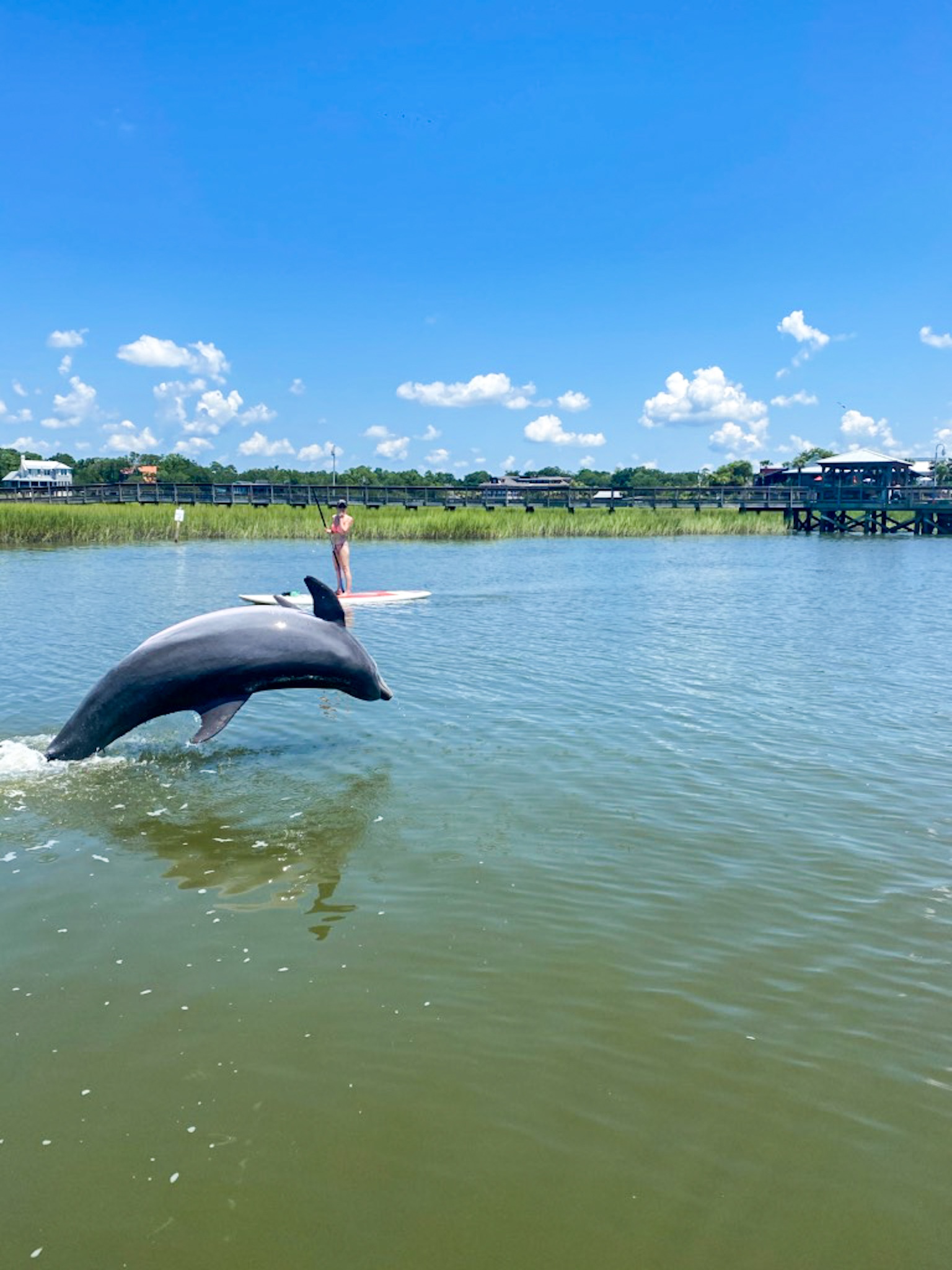
Wildlife viewing is a primary draw—expect wading birds, shorebirds, occasional dolphins, and a rich invertebrate community along marsh edges.

The harbor is the gateway, and the Pacific becomes the classroom.

Launch points are often low-key public ramps and sand beaches; plan for modest facilities and prioritize low-impact access.

Proximity to Charleston makes Awendaw an easy half-day escape for city visitors seeking quiet water and broader coastal context.

Activity focus

Choose by purpose

Whale watching, snorkeling, sunset sailing, cultural canoeing, harbor sightseeing, or private chartering.

Departure hubs

Start near the city

Waikiki and Honolulu Harbor are primary hubs, with some trips launching near Hanauma Bay.

Accessibility

Confirm the vessel

Gangways, shaded seating, and boarding requirements vary according to vessel size and operator.
Seasonal planning

Best Time to Visit

Awendaw is warm year-round, but wind, swell, migration, visibility, and demand change the best match between traveler and trip.

Awendaw boat tour
Year-round destination

Seasonal highlights change the reason to go

Winter favors humpback encounters; warmer, calmer months favor snorkeling visibility and smoother water.

Humpback season

Late spring through early fall (May–October) when water temperatures are warmer and wildlife activity is high.

Prime whale watching, winter holidays, higher demand, and earlier sell-outs.

Snorkeling window

April–May–June–September–October

Typically gentler seas and clearer water for snorkeling trips.

Weather notes

Trade winds year-round

Late spring through early fall offers mild water temperatures and stable mornings; summer brings more heat and afternoon sea breezes, while winter is quieter but cooler and windier. Monitor local wind forecasts—calm mornings are common and ideal for SUP.

Quieter opportunities

Late spring & summer weekdays

Winter and early spring provide solitude and dramatic light for photographers; dress for cooler conditions and check wind predictions, since brisk winds can make open stretches challenging.

Match the trip to your comfort

Choose Your Experience Level

Low effort

Beginner

Flatwater loops in protected marsh channels with short distances, minimal exposure to wind, and easy exit points.

  • Short estuary loop on a high tide
  • Protected creek paddle with wildlife viewing
  • Beginners’ lesson and rental session at a calm public launch
Active day trip

Intermediate

Longer estuary runs, transitional paddles toward the Intracoastal, and trips that require basic tide planning and navigation around sandbars.

  • Mid-length marsh-to-ICW paddle with a planned tide return
  • Sandbar stop and shore exploration on a falling tide
  • Photography-focused golden-hour paddle
Longer or technical

Advanced

Open-water crossings, coastal stretches exposed to wind and swell, and multi-leg paddles where route-finding, current understanding, and self-rescue skills are essential.

  • Barrier island approach or island hop (wind and tide dependent)
  • Long coastal run along exposed shoreline
  • Extended backcountry route combining paddling and shoreline navigation

Prepare for sun, spray, and swell

What to Bring

Essential

Core kit

  • PFD (personal flotation device) — required or strongly recommended
  • SUP leash (coiled for ocean, straight for calm estuaries)
  • Waterproof drybag for phone and layers
  • Tide chart and basic navigation (app or printed)
  • Sun protection: hat, sunglasses with leash, high-SPF sunscreen
Recommended

Useful extras

  • Light wind jacket or splash top (coastal breezes change fast)
  • Water shoes or reef-safe sandals for shallow put-ins
  • Towline and basic repair kit for inflatable boards
  • Small first-aid kit and whistle
  • Reusable water bottle and snacks
Optional

Trip-specific

  • Binoculars for birding
  • Waterproof camera or action cam with mount
  • Inflatable convertible SUP for easy transport
  • Beach towel and quick-dry layer for post-paddle
Respect tides, wildlife, and low-key launch sites; confirm access and closures before you go.

Insider Tips & Local Knowledge

Reserve whale-watching and popular sunset cruises well ahead during December–April.
Choose morning snorkeling departures for calmer seas and better underwater visibility.
For motion sensitivity, choose a larger vessel, sit mid-ship, and take preventative medication before boarding.
Do not touch coral or wildlife, avoid standing on reefs, and use reef-safe sunscreen.
Community-based operators may add context about traditional navigation and stewardship.
Arrive early for parking and check-in because Waikiki departure areas can be busy.

Planning questions

Frequently Asked Questions

Access rules vary by specific launch and protected area. Many public ramps and community beaches allow day use without permits, but designated wildlife refuges or island campsites may have separate regulations. Confirm access and any permit requirements with land managers before overnight or restricted-area trips.
Top 12 Stand-Up Paddleboarding (SUP) Adventures in Awendaw, South Carolina
Ready for your sup adventure?

Browse 12 verified trips in Awendaw.

Compare current availability and book with instant confirmation.

Explore Awendaw sup