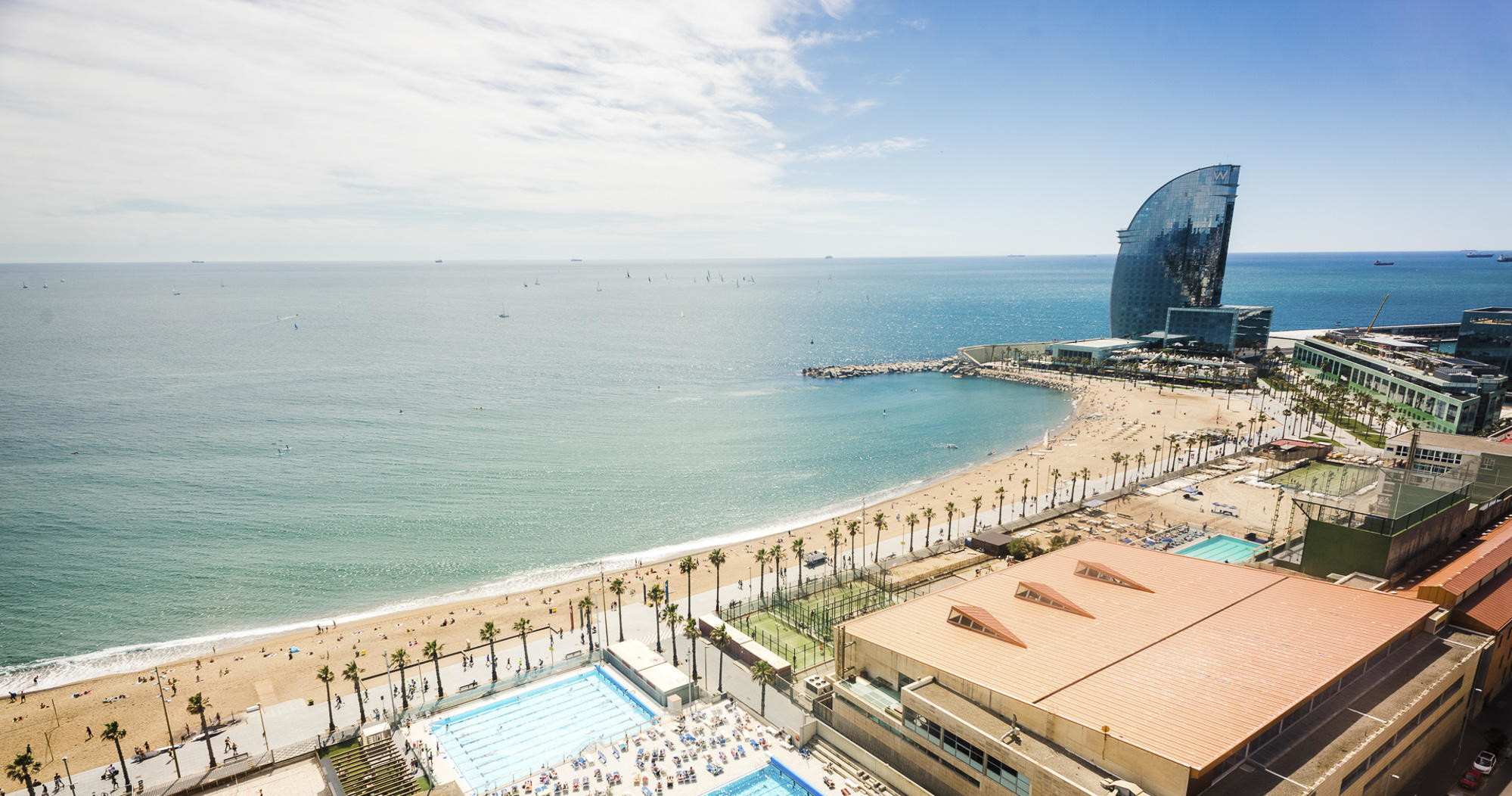
Barcelona condenses a surprising number of photographic subjects into a walkable, color-saturated canvas. On any short loop you can move from the deliberate geometry of Sagrada Família and Casa Batlló to the intimate, shadowed alleys of the Gothic Quarter, then out to the salt-sparkled edge of Barceloneta. The city’s architecture is both bold and tactile—Gaudí’s organic lines and tile mosaics favor close-ups and texture studies as much as wide vistas—while its markets, plazas, and beachfront offer dynamic human moments that are ideal for street and documentary photographers. Light plays differently here across the seasons: spring and autumn bring mild temperatures and warm low-angle light that flatters stone and skin; summer supplies long blue hours and harsh noon contrasts that reward shade-seeking and silhouette work; winter delivers crisp air, clear horizons, and quieter streets that make composition and timing easier.
Photography tours in Barcelona are as varied as the city itself. Guided walks that focus on architecture emphasize timing—arriving just before sunrise or at dusk to capture façades and details in soft, directional light. Street-focused outings teach you how to read the ebb of tourist flows and local rhythms so you can frame authentic scenes without intruding. For coastal photography, short boat trips or dawn beach walks isolate the pastel colors and reflective surfaces of the Mediterranean. Montjuïc and Bunkers del Carmel provide panoramic vantage points where you can stitch wide-city panoramas or isolate neighborhoods at sunset. Inside, places like Palau de la Música or select museums offer dramatic interior light and patterns, but often have rules about tripods and commercial shooting—sensitive planning and permissions are part of the craft.
Beyond technique, Barcelona’s photographic appeal is cultural. Markets like La Boqueria and Sant Antoni are repositories of texture and color: fish scales, butchered meats, citrus piles, hand-lettered signs. Festivals and neighborhood celebrations punctuate the year with ephemeral stripes of color, costume, and street theater. A good photography tour pairs technical coaching—how to manage exposure under church skylights or how to use a 50mm for environmental portraits—with local context: why a tile pattern matters, where a light falls at an exact time of year, or which viewpoint frames the city’s grid against a mountain backdrop. This is a city where the practical (permissions, timing, crowd strategy) and the creative (composition, light management, storytelling) must work hand in hand. For traveling lens-people, Barcelona is both a classroom and a stage: immediate, demanding, and generously photogenic.
Variety is immediate: you can shoot modernist detail, medieval alleys, market close-ups, and seaside panoramas in a single day without long transfers.
Lighting and crowd strategy make or break a shoot—early mornings and late afternoons are when most tours deliver the best results.
The harbor is the gateway, and the Pacific becomes the classroom.
Combine a walking tour with a rooftop or Montjuïc session to practice both close detail and wide-city framing in one outing.
Choose by purpose
Whale watching, snorkeling, sunset sailing, cultural canoeing, harbor sightseeing, or private chartering.
Start near the city
Waikiki and Honolulu Harbor are primary hubs, with some trips launching near Hanauma Bay.
Confirm the vessel
Gangways, shaded seating, and boarding requirements vary according to vessel size and operator.