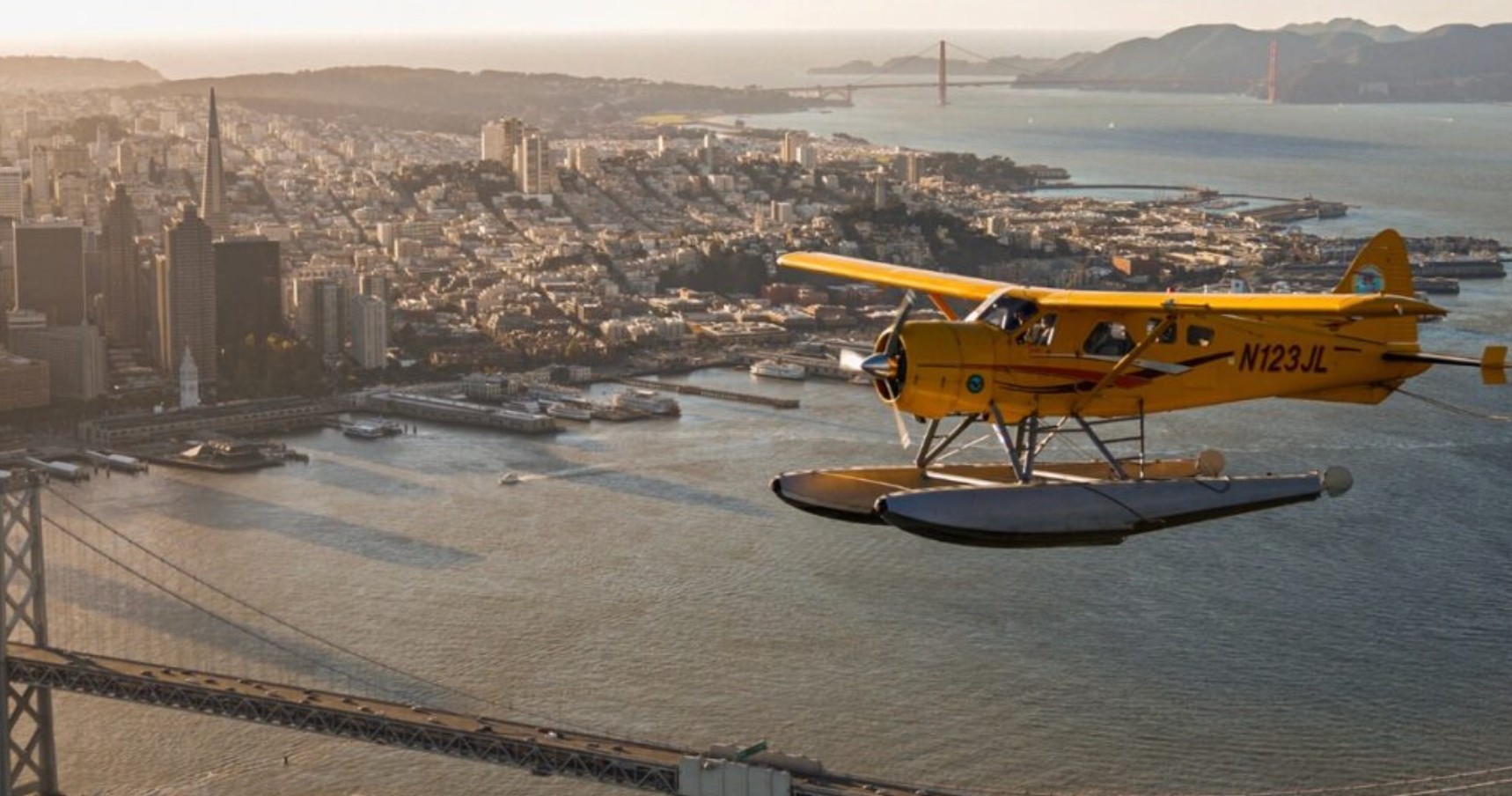
There’s an intimacy to watching flight from Burlingame that cities with sprawling terminals or distant observation decks rarely provide. Here, the airfields and the water meet: runways at a world-class international airport sit shoulder-to-shoulder with tidal marshes, bike paths, and low-rise neighborhoods. That proximity creates layered experiences—an afternoon playing aircraft-spotter on the Bayfront Trail can feel like a low-key homage to aviation, while booking a short scenic flight out of a nearby general aviation airport transforms the Bay’s flat blue into a painterly patchwork of bridges, headlands, and city grids. The airplane experience in Burlingame is as much about sound and time as it is about sight. There’s the distinct cadence of approach and departure, the double-bass rumble under a winter sky, the brief hush between arrivals. For photographers and storytellers, those moments are cinematic. For pilots and students, the same skies are a daily classroom.
The town’s modest scale works in its favor. Unlike larger airport towns where the terminal dominates, Burlingame’s residential streets and shoreline parks let people choose how close to get. Plane-spotters can stake out benches along the Bayfront with binoculars and a thermos; families can watch incoming flights from picnic blankets as terns wheel in the same thermals; pilots-in-training can taxi from nearby municipal fields that specialize in light aircraft and flight instruction. The result is a palate of airplane-related activities that serve different appetites—novice flyers, hobbyist photographers, aspiring pilots, and travelers who want a short, high-impact aerial tour of the Bay.
Seasonality and weather shape everything. Summer brings long daylight hours and clearer views of the Golden Gate and fog-engulfed Point Reyes during early mornings; famous June Gloom can soften midday light and hide distant headlands but also makes for dramatic, low clouds around runway approaches. Fall and spring typically offer the most stable flying conditions for scenic trips, and winter can deliver the crisply lit skies pilots love for cross-country training. Airspace around San Francisco is busy and regulated; that constraint can limit certain kinds of flights but also concentrates expertise: nearby airports have well-developed services for charter operators, flight instruction, and aircraft maintenance. On the ground, infrastructure is designed for accessibility—short drives from Burlingame’s downtown to vantage points or flight terminals, public parks with sight-lines, and nearby museums and educational institutions that contextualize aviation’s regional history.
Finally, Burlingame’s airplane experiences are complementary. A morning flightseeing trip pairs perfectly with an afternoon walk on the Bayfront Trail and an evening visit to a local aviation museum or an aircraft-themed exhibit in the region. For travelers, that means the airplane is rarely an isolated novelty; it becomes a lens through which to see the coastline, the city, and an entire community that lives in the rhythm of arrivals and departures.
Accessibility is a strength: short transfers from Burlingame to general aviation airports keep scenic flights and charters convenient for day trips.
The Bayfront and nearby parks double as world-class plane-watching spots—low fences, benches, and sweeping sightlines make them comfortable for families and photographers alike.
The harbor is the gateway, and the Pacific becomes the classroom.
Flight training and small-aircraft operations around the peninsula mean you can pair a lesson or discovery flight with sightseeing, photography, or a weekend escape.
Choose by purpose
Whale watching, snorkeling, sunset sailing, cultural canoeing, harbor sightseeing, or private chartering.
Start near the city
Waikiki and Honolulu Harbor are primary hubs, with some trips launching near Hanauma Bay.
Confirm the vessel
Gangways, shaded seating, and boarding requirements vary according to vessel size and operator.