Top 15 Whale Watch Adventures in Chula Vista, California
Chula Vista Whale Watch Guide

Top 15 Whale Watch Adventures in Chula Vista, California

Chula Vista's waterfront sits at the quiet hinge between urban harbor and open Pacific—an accessible launch point for whale watching that pairs calm bay cruises with short drives to ocean-going pelagics. This guide focuses on the whale-watch experiences you can realistically plan from Chula Vista: sheltered bay sightings, nearshore humpbacks and blue whales in season, and shore-based viewing spots for low-impact watching.

San Diego BayBayshore BikewaySilver Strand / Coronado

Live destination inventory

Top Whale Watch Trips in Chula Vista

15 trips · Book with confidence · Instant confirmation

The prototype intentionally does not invent replacement trip cards or add images that are not already part of the live source page.

The city from the water

Why Chula Vista Works for Whale Watching

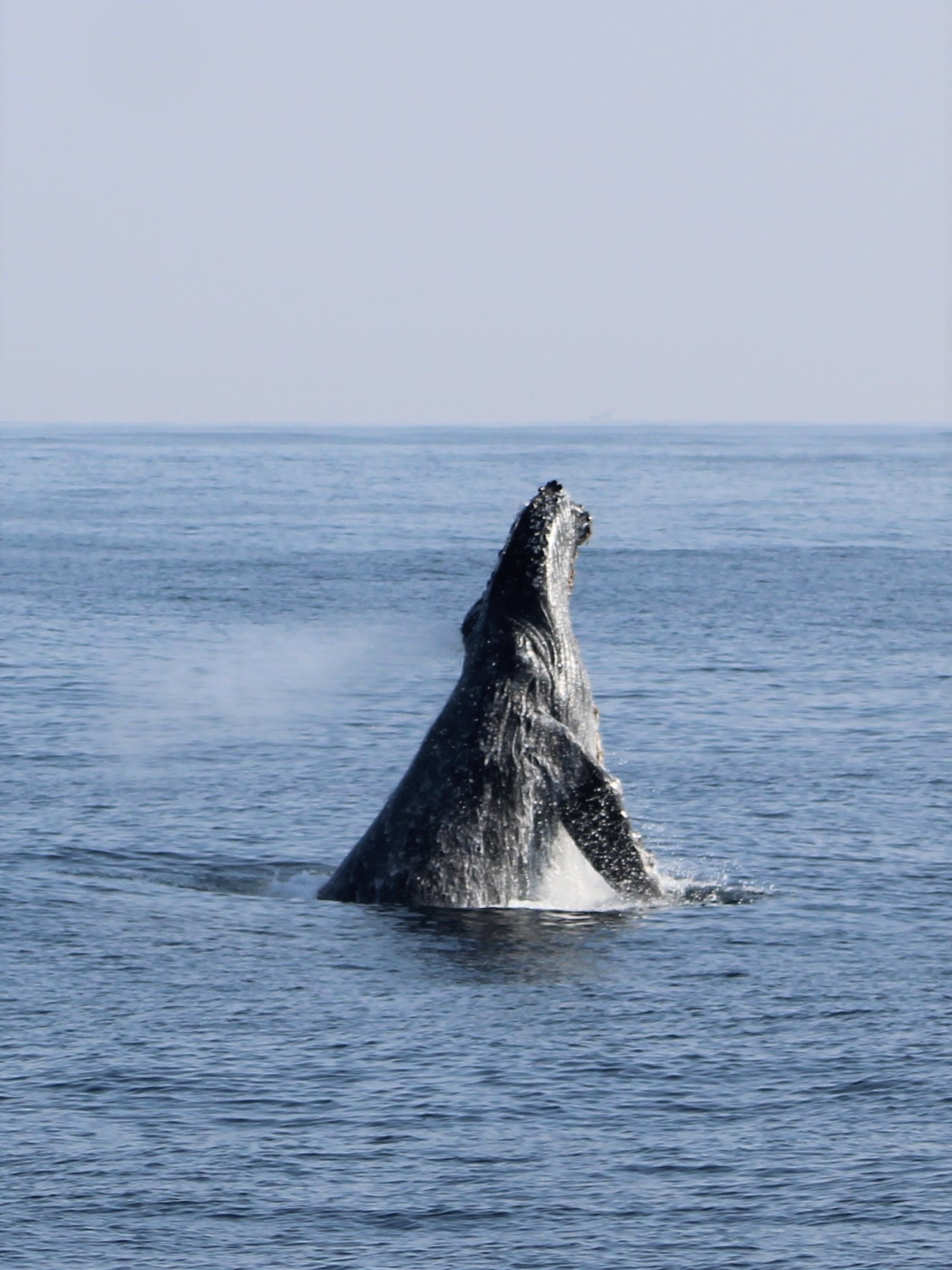
On a clear morning along the Chula Vista Bayfront, the line where city meets sea reads like an invitation: ferries cutting their wake, brown pelicans riding the gusts, and the distant swell that hints at something much larger moving offshore. Whale watching here is intimate because it layers familiar urban access—parking, public transit, bike paths—with quick connections to truly wild water. From the shoreline you can watch porpoises and transient dolphins play near the breakwater; within a short run you can be on a vessel headed to the continental shelf, where humpbacks and the occasional blue whale make themselves known. This little stretch of the Southern California coast is best understood as a set of connected experiences rather than a single destination. Chula Vista is a practical base: its bayfront promenade and adjacent parks are excellent for shore-based scanning and easy family outings, while nearby launch points in San Diego and Coronado put open-ocean whale habitat within a half-hour to hour’s ride. The seasonal rhythm is distinct and readable. In winter and early spring the gray whale migration paints a dependable corridor just off the coast; come late spring and summer, larger pelagic species—humpbacks, blues, and a dynamic cast of dolphins—arrive with the upwelling-driven food. For the observant traveler, every sighting is framed by a deeper environmental story: the health of kelp forests, the state of forage fish, and the conservation work in local estuaries that supports the whole food web. Culturally and historically, this coastline bears layers: indigenous Kumeyaay stewardship of the estuaries, maritime commerce at the port, and modern conservation wins that protect critical habitat pockets. That context matters on a whale-watch because ethical viewing practices and an understanding of local marine policy turn a pleasant outing into a responsible trip. Practical advantages are abundant: sheltered bay cruises are beginner-friendly and often shorter, making them perfect for families or those worried about seasickness; nearshore trips offer a balance of accessibility and the chance for close encounters; and full-day offshore runs—while more demanding—give committed observers the best odds for pelagic species. Whether you’re binocular-first or camera-ready, Chula Vista’s whale-watching appeal comes from accessibility and variety. Pair a morning scan from the Bayshore Bikeway with an afternoon nearshore excursion, add birding at the nearby Tijuana River estuary, or combine a whale-watch with a bike ride along the Silver Strand. In all cases, the key is timing and respect: follow seasonality, keep safety and regulations in mind, and the coastline will repay you with big-animal moments and a clearer sense of the marine landscape beyond the city.

Chula Vista's whale-watching scene is as much about the approach as the sighting. Shore-based options on the bayfront and Silver Strand are reliable for juvenile dolphins and occasional surface behaviors, while commercial operators from nearby harbors run everything from short harbor cruises to full-day pelagic trips. The best opportunities depend on season and sea state—calm days open up the shelf, while strong westerlies can limit access to prime offshore waters.

The region is also an excellent base for complementary marine experiences: kayaking and stand-up paddleboarding in protected bay waters, guided birding in coastal wetlands, and tidepooling and snorkeling at adjacent coastal sites. For travelers, that means you can design a half-day whale-watch and still have time for a seaside bike ride, a beach picnic, or an evening at a waterfront brewery.

Activity focus

Choose by purpose

Whale watching, snorkeling, sunset sailing, cultural canoeing, harbor sightseeing, or private chartering.

Departure hubs

Start near the city

Waikiki and Honolulu Harbor are primary hubs, with some trips launching near Hanauma Bay.

Accessibility

Confirm the vessel

Gangways, shaded seating, and boarding requirements vary according to vessel size and operator.
Seasonal planning

Best Time to Visit

Chula Vista is warm year-round, but wind, swell, migration, visibility, and demand change the best match between traveler and trip.

Chula Vista boat tour
Year-round destination

Seasonal highlights change the reason to go

Winter favors humpback encounters; warmer, calmer months favor snorkeling visibility and smoother water.

Humpback season

January–March for gray whale migration and consistent sightings in nearshore waters.

Prime whale watching, winter holidays, higher demand, and earlier sell-outs.

Snorkeling window

December–April (Gray whale migration peak Jan–Mar)–May–October (Humpback and blue whale activity increases)

Typically gentler seas and clearer water for snorkeling trips.

Weather notes

Trade winds year-round

Southern California’s coastal weather is generally mild year-round. Morning marine layer (fog) is common and burns off midday; afternoons can bring onshore breezes and short-period swells. Offshore trips are heavily weather dependent—wind and swell will affect both comfort and the feasibility of reaching pelagic hotspots.

Quieter opportunities

Late spring & summer weekdays

Summer and early fall offer warm, stable sea conditions and the best chance for large pelagic species; shore-based dolphin and sea lion viewing is reliable year-round.

Match the trip to your comfort

Choose Your Experience Level

Low effort

Beginner

Short harbor or bay cruises and shore-based viewing from accessible promenades—low transit time, sheltered waters, and shorter durations make these ideal for families and first-timers.

  • Protected bay cruise for dolphin and seal viewing
  • Shore-based scanning from the Bayshore Bikeway
  • Half-day nearshore run in calm sea conditions
Active day trip

Intermediate

Nearshore boat trips that travel to the kelp line and shelf break. These trips balance reasonable transit time with higher odds of humpback and blue whale encounters; moderate seas possible.

  • Nearshore pelagic half-day excursion
  • Combined birding and whale-watch trip
  • Sunset wildlife cruise with focused marine mammal survey
Longer or technical

Advanced

Full-day offshore expeditions and research-style outings that go beyond the shelf into deeper water—longer transit, rougher seas, and greater commitment but the best chance for large pelagics and rarer species.

  • Full-day offshore pelagic expedition
  • Zodiac-style near-shelf survey with naturalist guide
  • Multi-day research charters (seasonal and limited availability)

Prepare for sun, spray, and swell

What to Bring

Essential

Core kit

  • Layered windproof jacket (wind and spray are common)
  • Binoculars (7x–10x preferred) and a camera with a zoom lens
  • Sea-sickness medication or patch if you’re prone to motion sickness
  • Reusable water bottle and snacks
  • Sunscreen, sunglasses, and a brimmed hat
Recommended

Useful extras

  • Small waterproof bag or dry sack for electronics
  • Light gloves for chilly mornings on deck
  • Compact spotting scope if you plan extended shore watching
  • Copies of ID (required on many commercial cruises)
Optional

Trip-specific

  • Portable battery charger
  • Waterproof phone case
  • Notebook or log for sightings
Safety and respect for wildlife are paramount—maintain legal and ethical distances and follow operator briefings.

Insider Tips & Local Knowledge

Reserve whale-watching and popular sunset cruises well ahead during December–April.
Choose morning snorkeling departures for calmer seas and better underwater visibility.
For motion sensitivity, choose a larger vessel, sit mid-ship, and take preventative medication before boarding.
Do not touch coral or wildlife, avoid standing on reefs, and use reef-safe sunscreen.
Community-based operators may add context about traditional navigation and stewardship.
Arrive early for parking and check-in because Waikiki departure areas can be busy.

Planning questions

Frequently Asked Questions

No special permit is required for passengers on licensed commercial whale-watch cruises. Shore-based viewing requires no permit on public beaches and bayfront parks. If you plan to launch privately (kayak or small craft) check local launch rules and consult marine regulations regarding approach distances to marine mammals.
Top 15 Whale Watch Adventures in Chula Vista, California
Ready for your whale watch adventure?

Browse 15 verified trips in Chula Vista.

Compare current availability and book with instant confirmation.

Explore Chula Vista whale watch