Top 4 Dolphin Experiences in Commercial Township, New Jersey
Commercial Township Dolphin Guide

Top 4 Dolphin Experiences in Commercial Township, New Jersey

Commercial Township sits on the edge of the Delaware Bay where tidal currents and shallow estuarine waters create a productive feeding ground that attracts Atlantic bottlenose dolphins through late spring into early fall. This guide focuses on dolphin-focused outings—from short nearshore cruises and guided kayak tours to photo-friendly boat trips—plus seasonal patterns, safety considerations, and practical planning advice for travelers seeking a close but responsible encounter with these charismatic marine mammals.

Delaware BayMaurice RiverCumberland County Coast

Live destination inventory

Top Dolphin Trips in Commercial Township

4 trips · Book with confidence · Instant confirmation

The prototype intentionally does not invent replacement trip cards or add images that are not already part of the live source page.

The city from the water

Why Commercial Township Is a Great Place for Dolphin Experiences

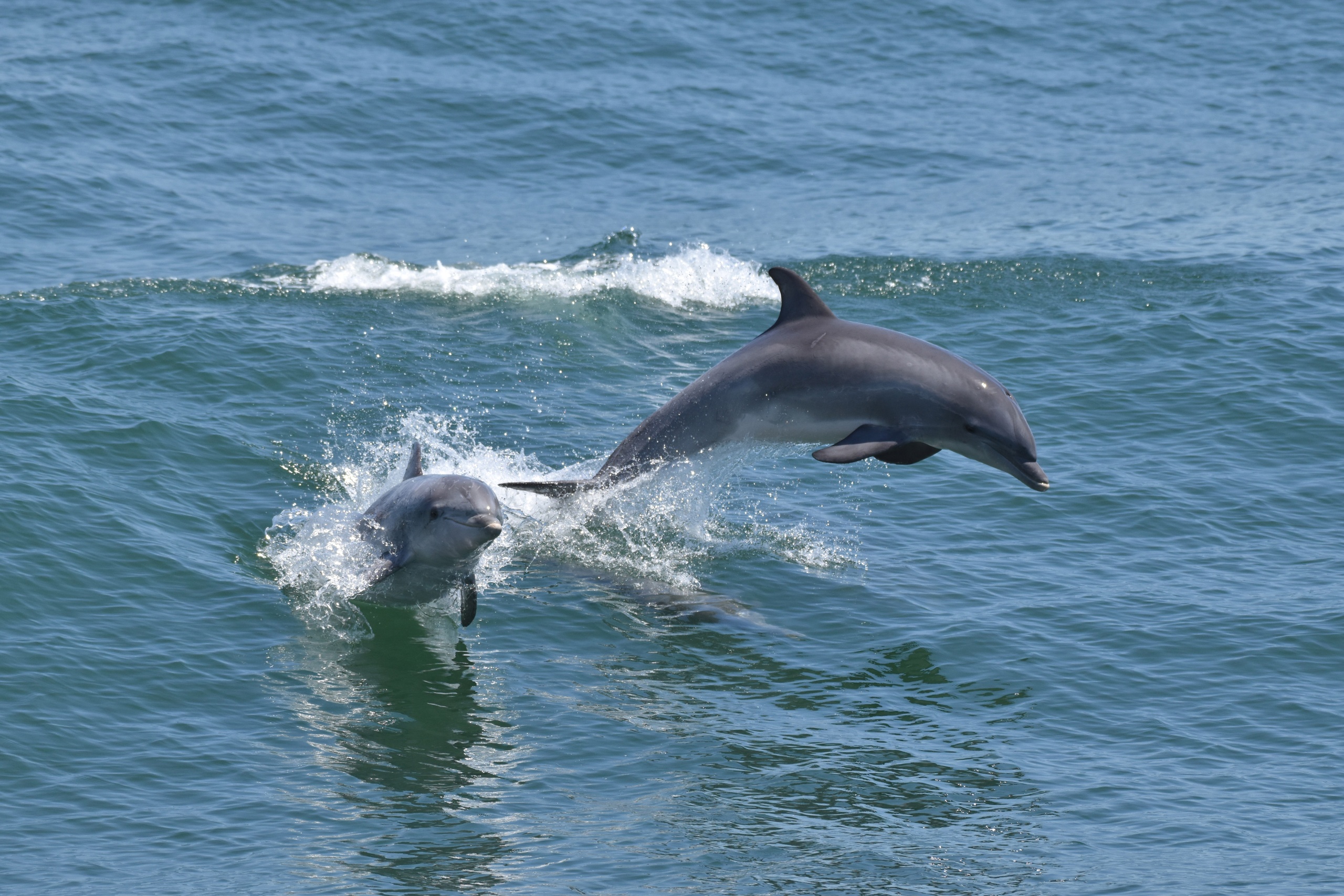
Commercial Township’s shoreline is not flashy in the way of tropical coves—there are no coral reefs, no palm-lined beaches—but there is something quietly magnetic about this stretch of New Jersey coast. Where the Maurice River and other tidal creeks pour nutrients into the wide mouth of Delaware Bay, currents concentrate baitfish along sandbars and channels. That abundance draws a predictable, seasonal congregation of bottlenose dolphins that feed, socialize, and sometimes ride the bow wakes of working skiffs. For travelers who prize wildlife over spectacle, the township offers an intimate, unhurried kind of marine encounter. The experience here is shaped as much by the landscape as it is by the animals. Low marshes, oyster beds, and shallows dominate the nearshore—terrain that favors small-boat and paddle-based outings. In calm weather, a morning launch into the estuary will place you within earshot of the river: the skitter of gulls, the hush of tidal slurry, and the sudden, clicking surface of a dolphin herd. In practical terms that means most reliable sightings come from local operators and guided tours that know where sandbars and feeding channels form with each tide. Kayakers and paddleboarders can have excellent views too, provided they maintain safe distances and follow marine-mammal guidelines. Cultural and historical threads tie into the natural scene. This is a working coast—soft-bottom clammers, small marinas, and a legacy of modest shipping—so any wildlife outing is also a lesson in human maritime life. Conservation is a continuing theme: changing water quality, shoreline development, and fisheries management influence prey populations and dolphin movements. Responsible viewing here is an ethic as much as a regulation; keeping distance, minimizing engine noise, and avoiding direct interaction protect both animals and the fragile estuarine habitat. Practical planning is simple but specific. Aim for calm mornings on a falling tide for the best light and calmer seas; late spring to early fall is the peak window for dolphin activity, with the busiest months offering the most consistent sightings. Bring layers—the microclimate nearshore can be cool and breezy even on warm days—and pack sun and spray protection. Whether you choose a short nearshore cruise, a kayak-based excursion, or a photo-focused boat trip, Commercial Township rewards patience, quiet observation, and a readiness to shift plans with the tide and weather. The payoff is a genuine coastal moment: small herds arcing above the water, juvenile dolphins at play, and the sense of being part of a long-standing estuarine rhythm.

Estuarine dynamics: tidal channels and sandbars concentrate prey, creating hotspots for dolphin feeding.

Nearshore focus: most experiences take place within the bay and river mouths—shallow, sheltered water that favors small craft.

The harbor is the gateway, and the Pacific becomes the classroom.

Conservation context: sightings fluctuate with water quality, prey abundance, and seasonal migrations, so responsible viewing matters.

Activity focus

Choose by purpose

Whale watching, snorkeling, sunset sailing, cultural canoeing, harbor sightseeing, or private chartering.

Departure hubs

Start near the city

Waikiki and Honolulu Harbor are primary hubs, with some trips launching near Hanauma Bay.

Accessibility

Confirm the vessel

Gangways, shaded seating, and boarding requirements vary according to vessel size and operator.
Seasonal planning

Best Time to Visit

Commercial Township is warm year-round, but wind, swell, migration, visibility, and demand change the best match between traveler and trip.

Commercial Township boat tour
Year-round destination

Seasonal highlights change the reason to go

Winter favors humpback encounters; warmer, calmer months favor snorkeling visibility and smoother water.

Humpback season

June–August

Prime whale watching, winter holidays, higher demand, and earlier sell-outs.

Snorkeling window

May–June–July–August–September

Typically gentler seas and clearer water for snorkeling trips.

Weather notes

Trade winds year-round

Calm mornings and light winds provide the most pleasant and reliable outings. Summer brings warm air but cool nearshore water; sudden coastal storms can develop in warmer months. Early fall can offer steady sightings with fewer crowds.

Quieter opportunities

Late spring & summer weekdays

Spring and fall offer quieter shoreline birding and the chance to see transient dolphins on warmer days; offseason trips may still run but sightings are less predictable.

Match the trip to your comfort

Choose Your Experience Level

Low effort

Beginner

Short, guided nearshore boat trips and calm-water kayak excursions suitable for families and first-time wildlife watchers.

  • One- to two-hour nearshore dolphin sightseeing cruise
  • Guided estuary kayak with wildlife commentary
  • Shoreline vantage point for casual spotting and binocular viewing
Active day trip

Intermediate

Longer photo-focused boat trips, mixed paddle-and-boat days, and outings that require some paddling skill or seasickness preparedness.

  • Half-day dolphin and birding combo cruise
  • Guided photography cruise with stops at feeding channels
  • Self-guided kayak trips launched from local marinas
Longer or technical

Advanced

Offshore or research-style excursions requiring open-water experience, extended time on the water, and familiarity with navigation and changing weather.

  • Multi-hour open-bay trips (conditions permitting)
  • Independent small-boat expeditions requiring navigation skills
  • Volunteer or citizen-science monitoring trips with extended watches

Prepare for sun, spray, and swell

What to Bring

Essential

Core kit

  • Waterproof layers and windbreaker (spray is common)
  • Personal flotation device if paddling (operators usually provide for boat trips)
  • Sea-sickness medication if you're prone to motion sickness
  • Binoculars or a compact spotting scope
  • Sun protection: hat, polarized sunglasses, SPF
Recommended

Useful extras

  • Telephoto lens (200–400mm) or zoom for shore-based photography
  • Dry bag for phone and essentials
  • Light snack and water for multi-hour outings
  • Phone with offline maps and the operator’s contact info
Optional

Trip-specific

  • Waterproof camera or action camera with chest/helmet mount
  • Small shore shoes for muddy launches
  • Notebook for naturalist observations
Respect distance rules, check tides and morning wind forecasts, and prepare for muddy launches.

Insider Tips & Local Knowledge

Reserve whale-watching and popular sunset cruises well ahead during December–April.
Choose morning snorkeling departures for calmer seas and better underwater visibility.
For motion sensitivity, choose a larger vessel, sit mid-ship, and take preventative medication before boarding.
Do not touch coral or wildlife, avoid standing on reefs, and use reef-safe sunscreen.
Community-based operators may add context about traditional navigation and stewardship.
Arrive early for parking and check-in because Waikiki departure areas can be busy.

Planning questions

Frequently Asked Questions

Most commercial dolphin-watching outings are run by licensed operators and do not require visitors to hold permits. Private boating or fishing follows state and federal regulations—check local launch rules. If you plan a commercial or research activity, inquire about specific permits.
Top 4 Dolphin Experiences in Commercial Township, New Jersey
Ready for your dolphin adventure?

Browse 4 verified trips in Commercial Township.

Compare current availability and book with instant confirmation.

Explore Commercial Township dolphin