Top 15 Dolphin Adventures in Cortez, Florida
Cortez Dolphin Guide

Top 15 Dolphin Adventures in Cortez, Florida

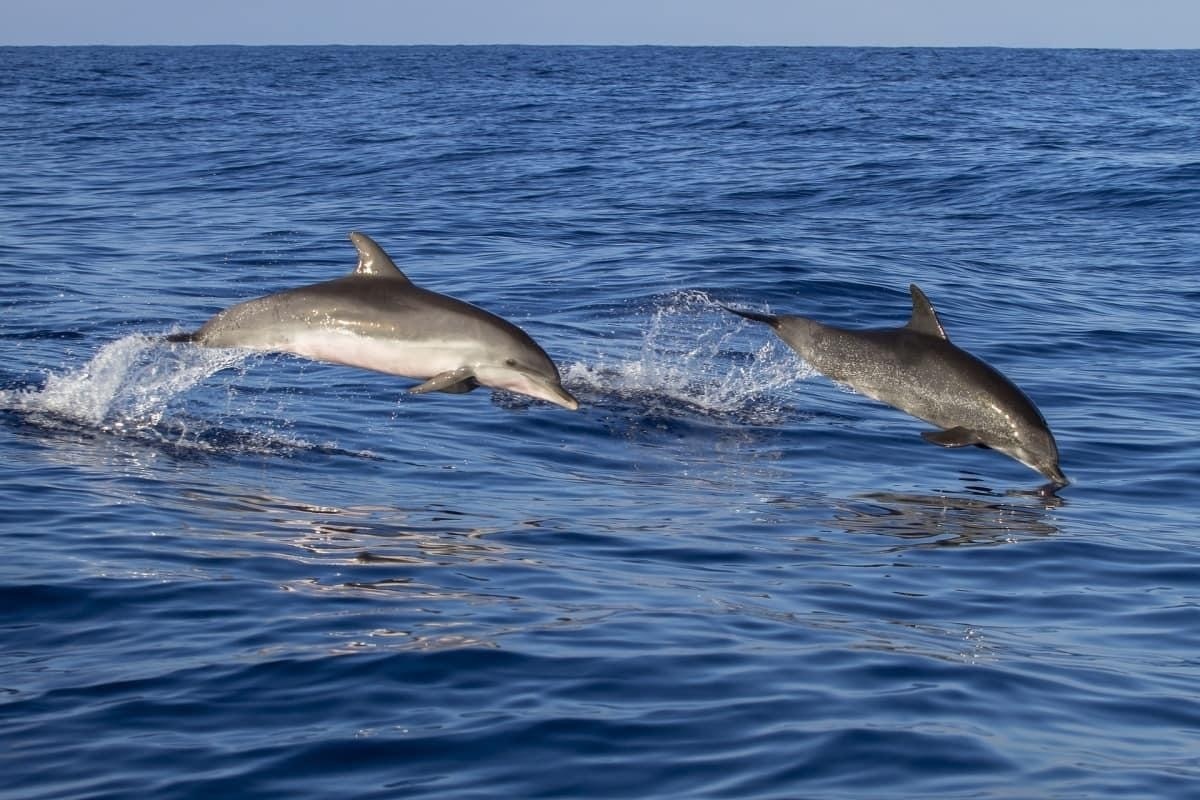
Cortez is small in footprint but huge in marine life: shallow seagrass flats, braided mangrove channels, and the protected waters of the Gulf make it one of the most reliable places on Florida's west coast to encounter bottlenose dolphins. This guide focuses on dolphin-centered experiences—kayak and paddleboard tours through mangrove mazes, quiet eco-charters that prioritize observation and conservation, citizen-science opportunities, and combination trips that pair dolphin watching with birding, fishing, and snorkeling.

Tampa Bay EstuaryCortez Historic Fishing VillageSeagrass Flats & Mangrove Canals

Live destination inventory

Top Dolphin Trips in Cortez

60 trips · Book with confidence · Instant confirmation

The prototype intentionally does not invent replacement trip cards or add images that are not already part of the live source page.

The city from the water

Why Cortez Is a Standout Dolphin Destination

There’s an easy deception to Cortez: a low-slung fishing village that feels frozen in time, with weathered wood buildings, shrimp boats tied to the dock, and a shoreline that seems quieter than the major tourist hubs to the south. The hush is intentional—and it’s exactly why dolphins gather here. The shallow flats stretching from the Cortez waterfront into Sarasota Bay and across to Palma Sola Bay form a mosaic of seagrass, sand, and tidal channels that teem with the small fish and crustaceans bottlenose dolphins prefer. Tidal rhythms, not luck, often determine where pods hunt, and local guides read those rhythms like fishermen read the wind. For travelers, that means encounters that feel natural and unscripted: a line of sleek backs breaking a mirror-still surface, a calf nudging curiosity toward a kayak, or a bow-riding pair cutting through morning light. The cultural and historical fabric of Cortez deepens the experience. This slice of Florida was built by working watermen, and you’ll still see handlines, cast nets, and shrimp trawlers operating a short distance from tour launches. That heritage colors how dolphin encounters happen here—many operators work in partnership with longtime fishermen and scientists, so tours are rooted in place-based knowledge rather than one-size-fits-all spectacle. The result is an eco-minded approach: observing without intruding, prioritizing mothers and calves during sensitive periods, and keeping boats and paddlers at respectful distances when dolphins are engaged in feeding or nursing. Weaving environmental context into planning is essential. Seagrass beds are not only nursery habitat for fish; they trap sediment, clarify water, and support the invertebrates dolphins eat. Mangrove shorelines act as buffers from storms and offer sheltered foraging grounds. Seasonal changes—water temperature, plankton blooms, and baitfish migrations—shape where dolphins congregate. While Cortez offers year-round sightings of resident and transient animals, timing trips for tidal movement and early morning light converts a good outing into an exceptional one. Add practical awareness—respectful behavior, no feeding, and following local regulations—and you protect the very dynamics that make Cortez special. For travelers who want more than a selfie, Cortez invites you into a slower, observational kind of wildlife tourism: one where local stories, natural history, and marine stewardship are part of the trip.

Reliability: Bottlenose dolphins are frequently sighted in the shallow bays and nearshore waters around Cortez, with many local operators reporting consistent encounters year-round.

Scale: Because waters are shallow and protected, kayak, paddleboard, and small-boat tours can get intimate views without putting animals under pressure.

The harbor is the gateway, and the Pacific becomes the classroom.

Cultural context: Cortez’s working waterfront and marine heritage offer educational pairings—dolphin tours combined with visits to the Florida Maritime Museum or local fishing demonstrations.

Activity focus

Choose by purpose

Whale watching, snorkeling, sunset sailing, cultural canoeing, harbor sightseeing, or private chartering.

Departure hubs

Start near the city

Waikiki and Honolulu Harbor are primary hubs, with some trips launching near Hanauma Bay.

Accessibility

Confirm the vessel

Gangways, shaded seating, and boarding requirements vary according to vessel size and operator.
Seasonal planning

Best Time to Visit

Cortez is warm year-round, but wind, swell, migration, visibility, and demand change the best match between traveler and trip.

Cortez boat tour
Year-round destination

Seasonal highlights change the reason to go

Winter favors humpback encounters; warmer, calmer months favor snorkeling visibility and smoother water.

Humpback season

Spring through late summer (March–August) when warm water and baitfish concentrations increase feeding activity and calf rearing is visible.

Prime whale watching, winter holidays, higher demand, and earlier sell-outs.

Snorkeling window

March–April–May–June–July–August–September–October

Typically gentler seas and clearer water for snorkeling trips.

Weather notes

Trade winds year-round

Winters are mild and often calm; summers are hot and humid with frequent afternoon thunderstorms. Early morning trips minimize wind and glare, improving sighting rates and comfort. Water clarity varies with tides and rainfall—late spring through early fall often brings clearer conditions for nearshore viewing.

Quieter opportunities

Late spring & summer weekdays

Late fall and winter offer quieter waterways, lower prices, and sometimes better visibility for photography on calm days; resident dolphins remain in the bay year-round.

Match the trip to your comfort

Choose Your Experience Level

Low effort

Beginner

Gentle, guided outings in shallow, protected bays—ideal for families and first-time paddlers who want close views without deep-water skills.

  • Morning kayak dolphin tour through mangrove channels
  • Short SUP dolphin watch at low tide flats
  • Half-day eco-charter with dolphin viewing and birding
Active day trip

Intermediate

Longer small-boat eco-tours and combination trips mixing dolphin watching with snorkeling, shallow-water angling, or photography workshops.

  • Small-group eco-charter exploring seagrass flats and nearshore dolphin hotspots
  • Photography-focused boat trip timed for golden-hour dolphin behavior
  • Guided kayak excursion with tide-read instruction and wildlife ID
Longer or technical

Advanced

Self-guided coastal navigation, citizen-science surveying, or technical boat trips that require boat-handling skills, tide planning, and an understanding of local regulations.

  • Private charter to study transient pods in offshore waters (requires experienced captain)
  • Participatory research trips with local marine scientists
  • Extended paddle expeditions linking Cortez with neighboring barrier islands (advanced tide/time management)

Prepare for sun, spray, and swell

What to Bring

Essential

Core kit

  • Light rain shell or windbreaker (weather can shift quickly)
  • Waterproof, quick-dry clothing and sun protection
  • Reef-safe sunscreen and a wide-brim hat
  • Reusable water bottle and seasickness remedies if prone
  • Camera with a zoom or a waterproof case
Recommended

Useful extras

  • Polarized sunglasses for spotting animals in glare
  • Binoculars (compact, 7x–10x)
  • Dry bag for electronics
  • Light snacks and a small first-aid kit
Optional

Trip-specific

  • Underwater camera or action-cam for surface footage
  • Neoprene booties for comfort on kayaks or paddleboards
  • Notebook or app for citizen-science reporting (e.g., eBird, iNaturalist, local dolphin sighting portals)
Respect the animals and local watermen—both are central to Cortez’s character. Confirm launch logistics and weather the day before your trip.

Insider Tips & Local Knowledge

Reserve whale-watching and popular sunset cruises well ahead during December–April.
Choose morning snorkeling departures for calmer seas and better underwater visibility.
For motion sensitivity, choose a larger vessel, sit mid-ship, and take preventative medication before boarding.
Do not touch coral or wildlife, avoid standing on reefs, and use reef-safe sunscreen.
Community-based operators may add context about traditional navigation and stewardship.
Arrive early for parking and check-in because Waikiki departure areas can be busy.

Planning questions

Frequently Asked Questions

Swimming with wild dolphins is strongly discouraged and, in many contexts, illegal under federal law if you approach or harass them. Opt for observation-only tours and keep a safe distance.
Top 15 Dolphin Adventures in Cortez, Florida
Ready for your dolphin adventure?

Browse 60 verified trips in Cortez.

Compare current availability and book with instant confirmation.

Explore Cortez dolphin