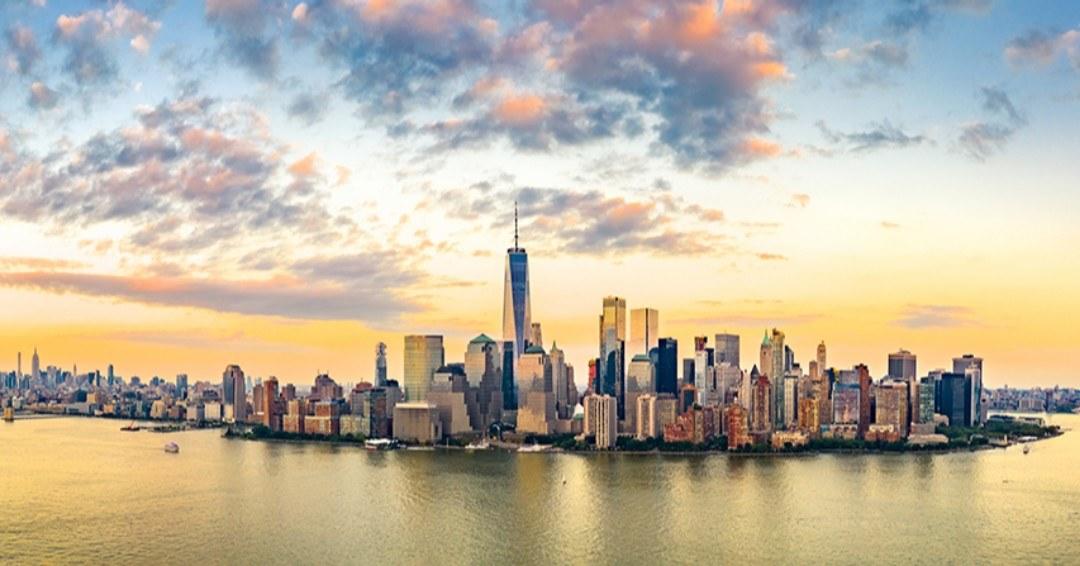
Perched in the Meadowlands just west of the Hudson’s eastern fringe, East Rutherford isn’t a mountain town or a desert fly zone—but that’s precisely the point. Its proximity to Manhattan, the surrounding low-rise marshes, and nearby general aviation fields create a concentration of airborne options that few other small boroughs can claim. From takeoffs that cross glittering stadium lights to approaches that slide past the Statue of Liberty, the views from any airborne vantage near East Rutherford are dramatic in a distinctly metropolitan way. Pilots and providers stage flights here to capitalize on short ground transfers for urban visitors while accessing calmer crosswinds over the low-lying wetlands.
The region’s air-activity character is shaped by accessibility and contrast. You can be standing on a Meadowlands parking lot one minute and, in under an hour, be looking down on Manhattan’s canyons of glass. For photographers and first-time flyers, that quick shift from street level to skyline gives any airborne activity instant payoff. For more serious flyers—pilots, aerial photographers, and experience operators—the corridor around East Rutherford offers reliable logistics: nearby hangars and charter fields, established heliports, and regulatory familiarity that keeps operations smooth. The trade-off is that flights are often tightly scheduled around local events (large stadium gatherings, fraternity of airspace restrictions) and weather windows, so planning and flexibility are part of the experience.
Because air activities near East Rutherford sit at the intersection of urban and suburban terrain, the variety of experiences is wide. You’ll find short, scenic hops that deliver iconic skyline shots; longer fixed-wing tours that trace the Hudson and Newark Bay; immersive indoor vertical-flight options that mimic freefall without jumping from a plane; and seasonal balloon launches that favor open fields upstate at sunrise. Each type of flight has different physical demands and weather sensitivities: helicopters are nimble and tolerant of tighter landing sites, light airplanes prefer clear approach paths with predictable winds, and ballooning is wholly dependent on early-morning calm. Understanding these differences—how they affect accessibility, comfort, and what to pack—makes the difference between a pleasant novelty and a well-executed aerial day trip.
The logistics are straightforward for visitors: East Rutherford’s compact street grid and short drives to nearby airfields make early-morning departures practical. If your goal is skyline photography, aim for the early light or the blue hour; if you’re more interested in the sensation of flight, wind tunnels and short helicopter hops deliver immediate thrills with minimal time commitment.
Seasonality shapes what’s actually possible. Late spring through early fall generally provides the broadest window for tours and ballooning when mornings are calmer and visibility is high. Winter produces crystal-clear air—and a different kind of dramatic skyline—but it also brings gusty wind and lower sun angles that can curtail flights. Always check both aviation weather and local event schedules before you lock in a tour.
Choose by purpose
Whale watching, snorkeling, sunset sailing, cultural canoeing, harbor sightseeing, or private chartering.
Start near the city
Waikiki and Honolulu Harbor are primary hubs, with some trips launching near Hanauma Bay.
Confirm the vessel
Gangways, shaded seating, and boarding requirements vary according to vessel size and operator.