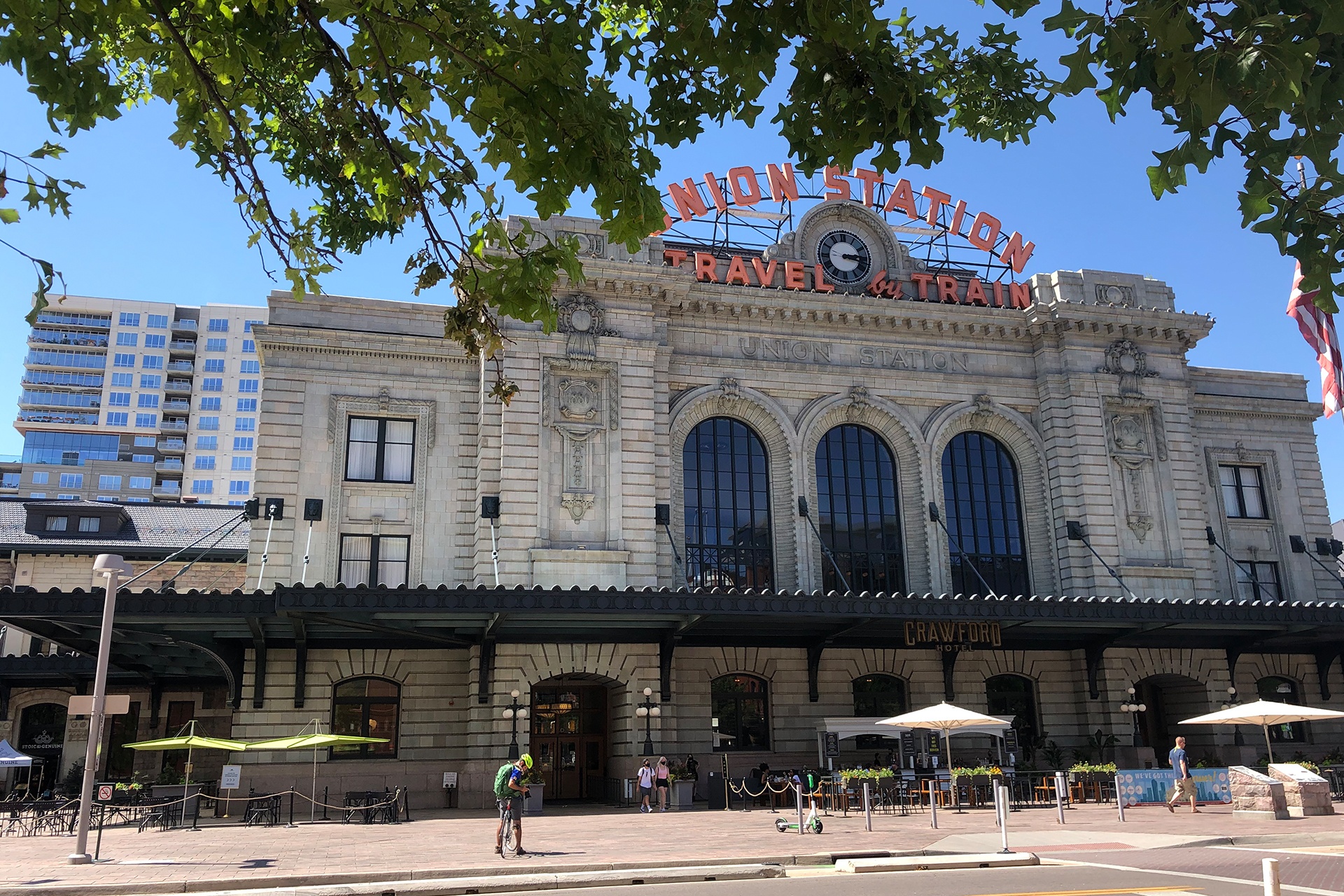
There’s a particular ease to moving through Colorado by rail that feels like a small rebellion against the state’s car-centered mythos. In Edgewater, trains are less about nostalgia and more about practical choreography: they stitch a compact neighborhood to Denver’s transit spine, they parallel the South Platte’s bike and walking trails, and they open doorways to rail museums and weekend excursion rides that reframe the journey as the destination. For travelers who prize both convenience and narrative texture, choosing the train changes how you experience the region. Rather than starting the day by idling in a parking lot, you step out onto a platform, watch the city’s edges slide by, and arrive at trailheads, riverside parks, and small-town main streets refreshed and ready to move.
The train experience around Edgewater has two complementary faces. The first is utilitarian: dependable commuter and light-rail services bring you into downtown Denver, to cultural anchors, and to feeder lines that lead up into higher-elevation trail towns. For outdoor plans this is invaluable—one can catch a morning train into Denver and transfer to a bus or shuttle to reach mountain trailheads, or ride to a riverside trailhead and immediately drop into bike- or paddle-based loops without the friction of parking logistics. The second face is curatorial: nearby heritage operations and railway museums stage curated rides—short steam or railcar excursions that are at once educational and sensory, offering an old-fashioned throttle-and-whistle perspective on the landscape, its industrial history, and the ways human transit reshapes river corridors and towns.
Using trains as a deliberate travel choice also reshapes the itinerary. A morning light-rail trip can become the connective tissue between an urban coffee crawl and a late-afternoon riverside paddle; a heritage train excursion can be paired with a half-day walk through a neighboring historic district or a visit to a rail museum’s static exhibits. This multimodal approach favors low-impact exploration—bringing you closer to river trails, parks, and bike paths where the city gives way to open space. Seasonal rhythms matter: summer offers long daylight and robust excursion schedules, shoulder seasons reveal migratory birds along the Platte, and winter trains can be atmospheric conduits to holiday events and quieter museum visits. Practical planning is simple but essential: check operator timetables, plan transfers with buffer time, and bring gear that’s easy to stow on a train—compact daypacks, collapsible water bottles, and footwear suited for both platforms and trails.
Trains cut the friction of access. For day trips, they eliminate parking stress at popular river trailheads and downtown trail-launch points, making it easier to combine urban and outdoor experiences in a single day.
Heritage rail experiences—nearby museums and weekend excursions—add cultural depth. They contextualize the industrial past that shaped the river corridor and provide family-friendly options that don’t require long drives.
The harbor is the gateway, and the Pacific becomes the classroom.
Seasonality shapes offerings. Regular commuter services run year-round; special excursion trains and museum operating hours change with the season, so verify schedules before planning a rail-centric adventure.
Choose by purpose
Whale watching, snorkeling, sunset sailing, cultural canoeing, harbor sightseeing, or private chartering.
Start near the city
Waikiki and Honolulu Harbor are primary hubs, with some trips launching near Hanauma Bay.
Confirm the vessel
Gangways, shaded seating, and boarding requirements vary according to vessel size and operator.