Top 15 Snorkel Adventures in Englewood, Florida
Englewood Snorkel Guide

Top 15 Snorkel Adventures in Englewood, Florida

Englewood’s shallow bays, seagrass flats, and nearby mangrove-lined inlets make it a quietly exceptional place to snorkel. From gentle shore entries to short boat hops that unlock sandbars and artificial reefs, this guide focuses on where to find clear water, abundant marine life, and accessible snorkeling suited to families and seasoned water-lovers alike.

Charlotte HarborEnglewood BeachStump Pass State Park

Live destination inventory

Top Snorkel Trips in Englewood

15 trips · Book with confidence · Instant confirmation

The prototype intentionally does not invent replacement trip cards or add images that are not already part of the live source page.

The city from the water

Why Englewood Is a Standout Snorkeling Destination

Englewood sits on the cusp of warm Gulf waters, where shallow seagrass meadows and the protective arms of mangrove estuaries create a living mosaic that’s tailor-made for snorkeling. Unlike the dramatic drop-offs of coral reefs farther south, this coastline rewards a slow, attentive pace: bob over a ribbon of turtle grass and you’ll watch juvenile fish weave in and out of blades; drift along a mangrove edge and you may spot a hidden nursery of snapper, pipefish, and the occasional juvenile rays. Water depths here are forgiving for beginners, and the short swims from shore to interesting habitat make it an excellent introduction to Florida’s nearshore marine ecosystems. Beyond the biology, Englewood’s snorkeling character is defined by variety. On calm days you can explore broad, waist‑deep flats peppered with patch reefs and shell beds; on outgoing tides small sandbars and channels appear that concentrate life and simplify viewing. A short boat ride expands the menu—artificial reefs, rock piles, and isolated hard-bottom patches host denser fish communities and larger species. The human scale of exploration is another appeal: many prime snorkel spots are reachable by kayak or a guided 10–20 minute run from launch points, which keeps outings flexible and less dependent on full-day charters. Seasonality shapes expectations without shutting opportunities down. Late spring through early fall brings the warmest water and more frequent tropical species; visibility often improves in the summer when algal blooms are lower and winds calm. Winter months can deliver spectacular clarity after cold fronts clear water and reduce turbidity, though surface temperatures dip and encounters with migratory species shift. Tide and wind are the local weathermakers: slack tides and light onshore winds produce the best visibility, while strong southerlies or north winds can stir sand and reduce the window for safe, comfortable snorkeling. Ecology and stewardship are woven into the experience. Seagrass beds in Charlotte Harbor and adjacent inlets are vital nurseries—fragile and easily damaged by fins and anchors—so expect guidance around low-impact practices: no-touch rules, careful finning techniques, and reef-safe sunscreen. Wildlife encounters are a major draw here: manatees feed in shallow channels, sea turtles patrol nearshore flats, and an array of tropical and temperate fish provide colorful, close-up viewing. That closeness is part of Englewood’s charm, but it comes with responsibility: keep distance from resting animals, avoid trampling grass, and follow local guidance to protect the habitats that make snorkeling here special. Finally, Englewood’s accessibility sets it apart. Casual swimmers can find short, protected shore entries and supervised tour options; paddlers can combine kayaking with snorkeling to scout quiet coves at their own pace; and photographers can harvest dramatic underwater portraits in shallow light without deep dives. Whether you’re plotting a family morning of discovery or a half-day venture to a nearby reef, Englewood blends approachable terrain, diverse marine life, and an ethic of low-impact exploration that makes every plunge feel meaningful.

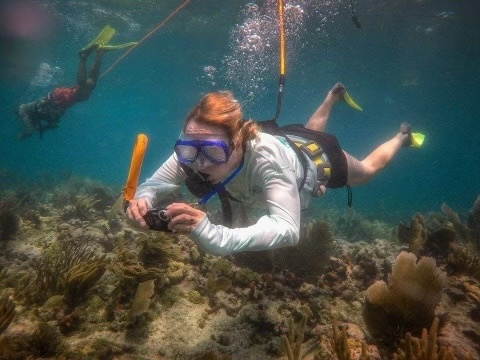
Shallow seagrass flats and mangrove-lined channels dominate the nearshore environment—ideal for easy shore entries and short swims.

Short boat hops open access to artificial reefs and rock piles that hold denser schools and larger fish.

The harbor is the gateway, and the Pacific becomes the classroom.

Tides and wind strongly influence visibility; slack tide and light winds equal the clearest conditions.

Wildlife highlights include juvenile reef fish, rays, sea turtles, and occasional manatee sightings—always observe from a distance.

Conservation-minded behavior (no touching, reef-safe sunscreen, careful anchoring) is central to preserving habitats.

Activity focus

Choose by purpose

Whale watching, snorkeling, sunset sailing, cultural canoeing, harbor sightseeing, or private chartering.

Departure hubs

Start near the city

Waikiki and Honolulu Harbor are primary hubs, with some trips launching near Hanauma Bay.

Accessibility

Confirm the vessel

Gangways, shaded seating, and boarding requirements vary according to vessel size and operator.
Seasonal planning

Best Time to Visit

Englewood is warm year-round, but wind, swell, migration, visibility, and demand change the best match between traveler and trip.

Englewood boat tour
Year-round destination

Seasonal highlights change the reason to go

Winter favors humpback encounters; warmer, calmer months favor snorkeling visibility and smoother water.

Humpback season

Summer months and holiday weekends see the highest local visitation.

Prime whale watching, winter holidays, higher demand, and earlier sell-outs.

Snorkeling window

May–June–July–August–September–October

Typically gentler seas and clearer water for snorkeling trips.

Weather notes

Trade winds year-round

Warm Gulf waters and calmer seas in late spring through early fall make snorkeling most comfortable; winter can bring cooler air and occasional improved clarity after frontal passages. Afternoon thunderstorms are possible in summer—plan morning trips when conditions are typically calmer.

Quieter opportunities

Late spring & summer weekdays

Winter and shoulder seasons can reward quieter beaches and, after cold snaps, sometimes clearer water. Expect slightly lower temperatures and fewer tour options.

Match the trip to your comfort

Choose Your Experience Level

Low effort

Beginner

Short, shallow shore swims with calm water and easy exits—ideal for families and first-time snorkelers.

  • Protected bay flats near launch points
  • Guided shore-snorkel sessions
  • Kayak to a shallow sandbar and snorkel off the bow
Active day trip

Intermediate

Longer swims across sand channels or small boat hops to patch reefs; requires confident swimming and basic navigation.

  • Drifts along seagrass edges at slack tide
  • Half-day boat trips to nearby hard-bottom patches
  • Combination paddle-and-snorkel routes through mangrove channels
Longer or technical

Advanced

Longer open-water swims, deeper reef work, or multi-stop boat itineraries that demand strong swimming fitness and situational awareness.

  • Full-site boat runs to offshore artificial reefs
  • Photography-focused dives requiring stable buoyancy
  • Extended drift snorkels with current management

Prepare for sun, spray, and swell

What to Bring

Essential

Core kit

  • Well-fitting mask and snorkel (mask fit is critical)
  • Comfortable fins—open-heel or full-foot depending on preference
  • Swimwear and a lightweight rashguard for sun protection
  • Towel and quick-dry cover-up
  • Water bottle and small dry bag
Recommended

Useful extras

  • Snorkel vest or flotation device for longer swims
  • Reef-safe sunscreen (apply before entry)
  • Mesh gear bag to rinse and carry equipment
  • Water shoes for rocky or shell-strewn shore entries
  • Local tide chart or app to time slack tides
Optional

Trip-specific

  • Waterproof camera or action camera with float
  • Mask defog and spare snorkel mouthpiece
  • Small first-aid kit and blister care
  • Compact binoculars for scouting from shore
Respect tides, watch the weather, and prioritize low-impact practices to protect fragile seagrass and mangrove habitats.

Insider Tips & Local Knowledge

Reserve whale-watching and popular sunset cruises well ahead during December–April.
Choose morning snorkeling departures for calmer seas and better underwater visibility.
For motion sensitivity, choose a larger vessel, sit mid-ship, and take preventative medication before boarding.
Do not touch coral or wildlife, avoid standing on reefs, and use reef-safe sunscreen.
Community-based operators may add context about traditional navigation and stewardship.
Arrive early for parking and check-in because Waikiki departure areas can be busy.

Planning questions

Frequently Asked Questions

No general permit is required for recreational snorkeling from public beaches or launch points. Specific protected areas or guided tours may have rules—check local park regulations before visiting.
Top 15 Snorkel Adventures in Englewood, Florida
Ready for your snorkel adventure?

Browse 15 verified trips in Englewood.

Compare current availability and book with instant confirmation.

Explore Englewood snorkel