Fishing in Golden Oak, Florida
Golden Oak Fishing Guide

Fishing in Golden Oak, Florida

Golden Oak sits at the curious intersection of manicured resort living and subtropical freshwater habitat. Anglers here chase largemouth bass, panfish and catfish in sheltered community lakes, canals and nearby public waters—often with a soundtrack of wading birds and distant park fireworks. This guide unpacks where to fish, when to go, what to expect on the water, and how to plan a practical, low‑stress angling trip in and around Golden Oak.

Central Florida LakesReedy Creek CorridorNear Walt Disney World

Live destination inventory

Top Fishing Trips in Golden Oak

11 trips · Book with confidence · Instant confirmation

The prototype intentionally does not invent replacement trip cards or add images that are not already part of the live source page.

The city from the water

Why Golden Oak Is a Standout Place to Fish

Golden Oak feels like a quiet pocket of Central Florida where fishing is as much about place as it is about catch. Tucked into the broader Orlando metropolitan landscape, the neighborhood’s private lakes and nearby public waterways capture the slow, luminous rhythms of Florida’s freshwater ecosystems—mottled reflections of clouds, stands of cypress and willow, and the low, watchful silhouette of an alligator on a sunny bank. For the traveling angler, Golden Oak offers a compact, approachable experience: short drives to accessible shorelines, calm canals ideal for light tackle and kayak fishing, and enough species variety to keep a mixed-skills group engaged. Largemouth bass are the headline act; they populate timbered edges and hydrilla beds and respond well to topwater lures in the golden hour and soft plastics around structure. Bluegill and redear sunfish make for reliable, family-friendly action from a dock or shoreline; they teach kids and novice anglers the rhythms of bait presentation and casting accuracy. Catfish lurk along deeper channels and under dock ledges, offering pleasant night or early-morning sessions for anglers who like meat baits and steady, simple setups. Beyond the species list, fishing here is notable for contrasts: the suburban, curated aesthetics of Golden Oak’s roads and gardens segue into raw, watery habitat within a few minutes, and within half an hour you can be in larger public lakes, state-managed waters, or coastal estuaries for saltwater flats fishing. That proximity makes Golden Oak an excellent base for a short fishing itinerary—launch a kayak at dawn on a quiet pond, switch to shoreline spinning for an afternoon bass grind, and then, if you want more variety, drive toward the coastal marshes for inshore sight-fishing. The human side of the experience matters too: many waters in and around Golden Oak have layered access rules—private community ponds, municipal parks, and state fisheries—so the thoughtful angler balances curiosity with respect for property and local regulations. Conservation-minded practices like catch-and-release for larger bass, leaving no trace on shorelines, and following Florida Fish and Wildlife rules keep these waters productive and welcoming for future visits. In short, Golden Oak’s appeal lies in manageable, intimate angling: short approaches, varied techniques within a small radius, and a distinctly Floridian backdrop that pairs wildlife encounters with easy logistics for visitors.

Compact, accessible waters: short drives and walkable shorelines make for relaxed, half-day trips.

Species variety within reach: bass-centric freshwater fishing complemented by panfish and catfish opportunities.

The harbor is the gateway, and the Pacific becomes the classroom.

Unique contrast: manicured resort communities adjacent to wild water edges create a surprising nature experience near major tourist hubs.

Good base for mixed itineraries: freshwater mornings and, if you drive farther, coastal inshore excursions by afternoon.

Activity focus

Choose by purpose

Whale watching, snorkeling, sunset sailing, cultural canoeing, harbor sightseeing, or private chartering.

Departure hubs

Start near the city

Waikiki and Honolulu Harbor are primary hubs, with some trips launching near Hanauma Bay.

Accessibility

Confirm the vessel

Gangways, shaded seating, and boarding requirements vary according to vessel size and operator.
Seasonal planning

Best Time to Visit

Golden Oak is warm year-round, but wind, swell, migration, visibility, and demand change the best match between traveler and trip.

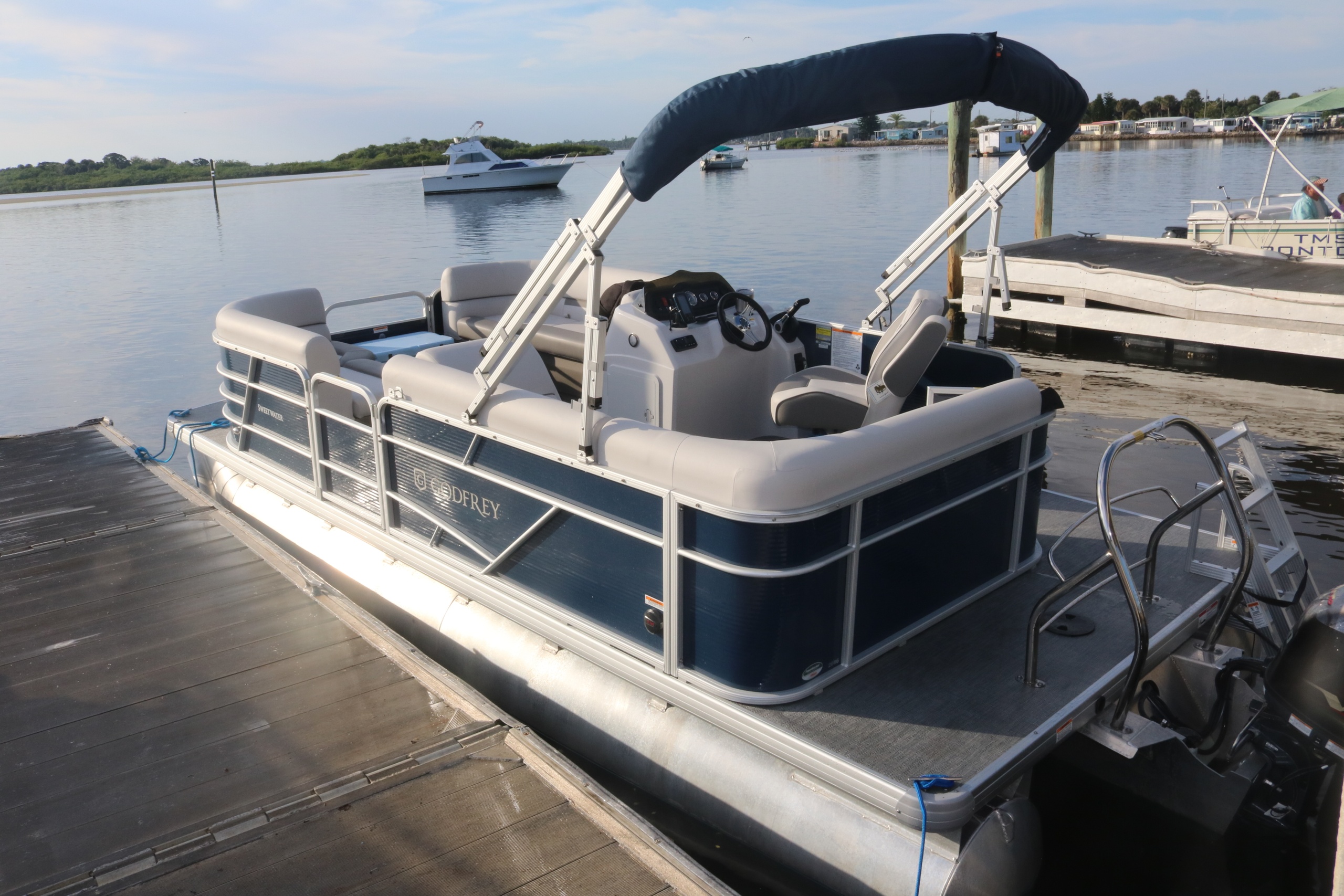
Golden Oak boat tour
Year-round destination

Seasonal highlights change the reason to go

Winter favors humpback encounters; warmer, calmer months favor snorkeling visibility and smoother water.

Humpback season

Spring spawn (late winter to spring) is often the most active time for bass, while fall can produce aggressive feeding before cooler water arrives.

Prime whale watching, winter holidays, higher demand, and earlier sell-outs.

Snorkeling window

February–March–April–September–October–November

Typically gentler seas and clearer water for snorkeling trips.

Weather notes

Trade winds year-round

Central Florida is warm and humid. Winters are mild and can produce cooperative bass activity; spring is prime for spawning patterns; summer brings heavy afternoon thunderstorms—plan early-morning sessions and watch lightning forecasts.

Quieter opportunities

Late spring & summer weekdays

Summer mornings and late evenings remain productive for topwater and shallow-structure fishing; night sessions for catfish can be excellent. Off-season visits can avoid crowds and allow calmer water conditions.

Match the trip to your comfort

Choose Your Experience Level

Low effort

Beginner

Simple shore or dock fishing for panfish and catfish with basic spinning gear—low technical demand and good short-term success.

  • Dock-side bluegill fishing with worm or cranked corn bait
  • Early-morning topwater session for bass using a popper
  • Family catfish night session along a public canal
Active day trip

Intermediate

Targeted bass trips using varied lures and structure work—requires understanding of water features, lure selection and some boat or kayak handling.

  • Kayak-powered exploration of canal systems for bass and snags
  • Flipping and pitching around docks and submerged vegetation
  • Crankbait circuits along bank structure during transitional seasons
Longer or technical

Advanced

Precision fishing for pressured fish using finesse presentations, electronics, and sight-fishing in clear flats or timber—requires experience and specialized tackle.

  • Finesse-schooling largemouth with light jigs and shaky heads
  • Advanced shallow-water sight-fishing in hydrilla pockets
  • Multi-spot strategy combining early kayak work and late-night catfish rigs

Prepare for sun, spray, and swell

What to Bring

Essential

Core kit

  • Valid Florida fishing license (check FWC for current requirements)
  • Light spinning or baitcasting outfit (6'6"–7' rods recommended for bass)
  • Polarized sunglasses and sun protection (hat, SPF sunscreen)
  • Plenty of water and shadeable snacks
  • Pliers, line clippers, and a small first-aid kit
Recommended

Useful extras

  • Tackle for a variety of presentations: topwater, soft plastics, mid-diving crankbaits, small jigs
  • Small landing net and bucket or livewell for short-term holding (if local regulations permit)
  • Lightweight kayak or inflatable for exploring canals and quiet coves
  • Insect repellent and breathable long-sleeve layers for sun and bugs
  • Waterproof phone case and power bank
Optional

Trip-specific

  • Fish-friendly measuring board and camera for documenting returns
  • Portable rod holders for bank fishing
  • Compact cooler for drinks and if keeping fish is legal locally
  • Wading shoes or quick-dry footwear for shallow shoreline access
Verify access rules, fishing regulations, and weather forecasts before you go. Many small ponds are private—choose legally accessible launch points and follow local signage.

Insider Tips & Local Knowledge

Reserve whale-watching and popular sunset cruises well ahead during December–April.
Choose morning snorkeling departures for calmer seas and better underwater visibility.
For motion sensitivity, choose a larger vessel, sit mid-ship, and take preventative medication before boarding.
Do not touch coral or wildlife, avoid standing on reefs, and use reef-safe sunscreen.
Community-based operators may add context about traditional navigation and stewardship.
Arrive early for parking and check-in because Waikiki departure areas can be busy.

Planning questions

Frequently Asked Questions

Yes—recreational anglers generally need a Florida fishing license. Rules and exemptions vary, so check the Florida Fish and Wildlife Conservation Commission (FWC) website for current requirements and short-term permit options.
Fishing in Golden Oak, Florida
Ready for your fishing adventure?

Browse 11 verified trips in Golden Oak.

Compare current availability and book with instant confirmation.

Explore Golden Oak fishing