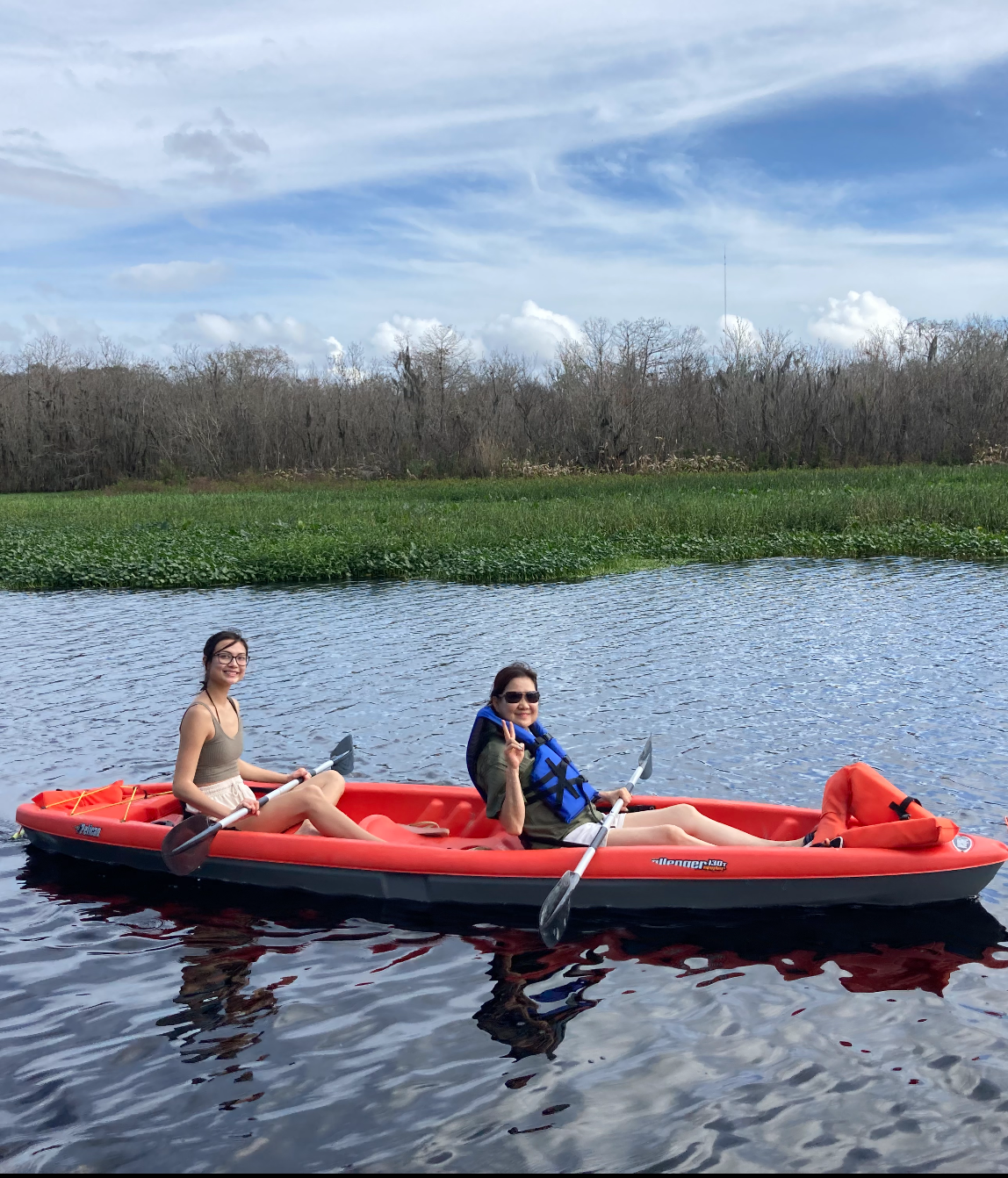
Why Golden Oak Is a Unique Spot for Kayaking
Golden Oak’s waterways are a study in subtle contrasts—soft suburban edges meet pockets of genuine Florida wetland life. On the surface you’ll find mirror-flat mornings interrupted only by a heron’s silhouette or the ripple of a turtle sliding off a log. Under that quiet is a rich ecology: chain-of-lake connections, lined canals, and short drives to springs and coastal estuaries where the water tells different stories. For paddlers, that variety translates into quick, low-stress sorties that are both restorative and instructive.
Paddling here is intentionally accessible. Routes tend to favor calm conditions and shorter distances, which makes Golden Oak an ideal locale for families, photographers, and paddlers easing back into the sport. Launches and put-ins often sit within a 10–20 minute drive of the residential core, meaning you can be on water at sunrise with a thermos and a light kit—no long approach required. The community context also shapes the experience: you’ll see docks and lakeside homes, occasional launched boats, and managed shorelines that create predictable currents and sheltered channels. Those built elements, paired with natural edges—mangrove-like pockets, emergent grasses, and lily pads—make for excellent wildlife viewing and easy navigation.
Golden Oak is also a practical base for contrasting day trips. Within an easy drive are freshwater springs where the water clarity and temperature invite snorkeling and longer flatwater runs, and farther afield lie coastal estuaries and lagoons ideal for tidal paddling, mangrove exploration, and advanced wildlife encounters. That proximity allows paddlers to match ambition with time constraints: a 90-minute morning paddle among quiet canals, or a full-day expedition to a spring run or tidal sound. Operators in the region offer guided options that include instruction, conservation context, and gear—valuable for paddlers who want to learn about local hydrology, bird migration patterns, or safe manatee-viewing practices.
For planning, Golden Oak’s paddling seasons are shaped less by freezing temperatures and more by rainfall, heat, and hurricane season. Mornings are often the most stable time to paddle—calm winds, glassy water, and cooler temperatures—while afternoon sea breezes and thunderstorms become common in warmer months. Local regulations, private-launch restrictions, and rental availability matter here; respect for private property and wildlife buffers keeps paddling sustainable. Ultimately, kayaking in Golden Oak feels like a gentle introduction to Florida paddling: close to town, generous with wildlife, and smartly positioned for both short restorative trips and longer exploratory days out to springs and coasts.
Calm mornings make for reliable wildlife encounters—herons, kingfishers, turtles, and seasonal migrants are frequent sightings.
The area works well for short guided tours, family paddles, and multi-destination days that combine kayaking with snorkeling, birding, or coastal drives.
The harbor is the gateway, and the Pacific becomes the classroom.
Plan around afternoon thunderstorms and respect private-launch restrictions; look for public ramps and commercial outfitters for legal access.
Choose by purpose
Whale watching, snorkeling, sunset sailing, cultural canoeing, harbor sightseeing, or private chartering.
Start near the city
Waikiki and Honolulu Harbor are primary hubs, with some trips launching near Hanauma Bay.
Confirm the vessel
Gangways, shaded seating, and boarding requirements vary according to vessel size and operator.