Top 18 Airplane Experiences in Half Moon Bay, California
Half Moon Bay Airplane Guide

Top 18 Airplane Experiences in Half Moon Bay, California

Perched where the coastal plain meets the Pacific, Half Moon Bay is a small-town launch point for a surprisingly rich set of airplane experiences—scenic flightseeing along the Big Sur–San Francisco coastline, pilot training circuits at the local airfield, and low-altitude aerial photography that captures fog, surf, and agricultural mosaics in a single frame. This guide focuses solely on airplane-centered adventures: how to pick the right flight for your goals, what to expect from the terrain and weather, and how to combine a flight with classic coastal activities on the ground.

Coastal FlightseeingHalf Moon Bay AirportAerial Photography

Live destination inventory

Top Airplane Trips in Half Moon Bay

18 trips · Book with confidence · Instant confirmation

The prototype intentionally does not invent replacement trip cards or add images that are not already part of the live source page.

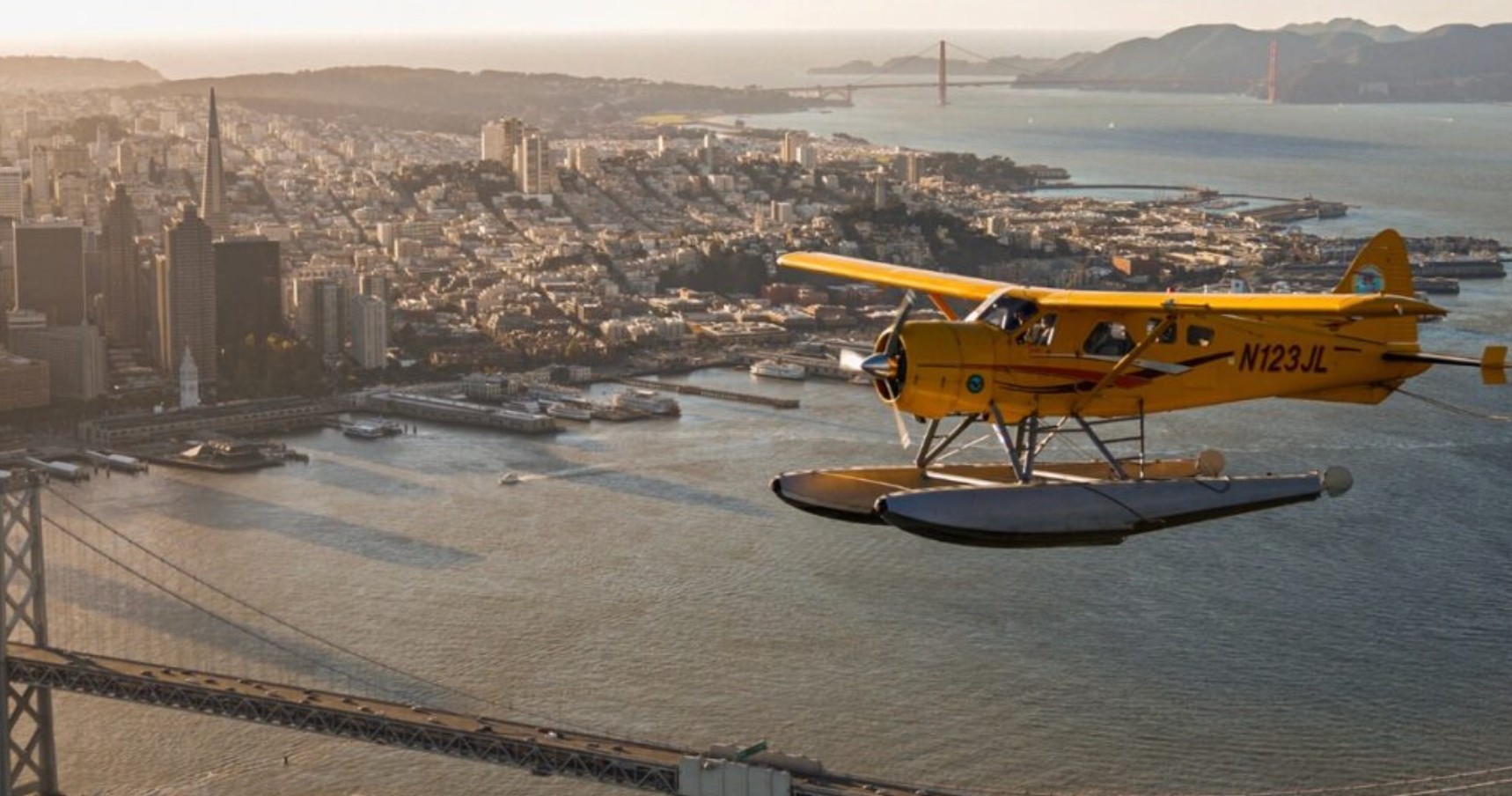
The city from the water

Why Half Moon Bay Is a Standout Airplane Destination

Half Moon Bay wears the coast like a weathered pilot’s log—an open notebook of cliffs, beaches, dairy pastures, and the restless Pacific. From the air the place reads differently: headlands stitch into surf lines, the marine layer carves soft-edged shadows across croplands, and the sinuous ribbon of Highway 1 becomes a clue that the shore is alive with access points and vantage spaces. For travelers who choose an airplane as their vantage, Half Moon Bay is both canvas and classroom. Scenic flights make the intangible visible—kelp beds map whale corridors, river mouths show the pulse of sediment and tide, and the pattern of farms and greenhouses reveals a human coastline that pairs well with seaside wilderness. But this is not only about pretty views. The region’s modest elevation changes and predictable approach paths around Half Moon Bay Airport make it an inviting setting for a range of airplane experiences: introductory flightseeing for first-timers who want a calm, narrated coastal sweep; discovery flights that introduce prospective pilots to basic stick-and-rudder feel; and dedicated aerial-photography sorties timed for golden-hour fog evaporation. The local microclimate—marine layer in the mornings, often breaking to clear skies by mid to late morning in summer and early fall—creates dramatic light conditions that photographers and naturalists prize. Conversely, winter brings low clouds and dynamic seas, making turbulent but cinematic conditions for experienced flyers and photographers who plan around weather windows. Choosing Half Moon Bay as your airplane base also opens complementary adventures on the ground. A short post-flight walk along the bluffs or a quick drive to a surf break turns altitude into tactile experience; whale-watch boats depart nearby, and coastal trail runs from Pillar Point to Fitzgerald Marine Reserve translate aerial perspective into intimate shoreline encounters. For pilots, the proximity to larger metropolitan airports provides straightforward cross-country options, while the community’s small-airfield culture keeps the experience approachable—local mechanics, flight schools, and small charter operators make it possible to tailor an outing to skill level and interest. Practically speaking, airplane adventures here reward flexible planning. Expect intimate, memorable vistas when weather cooperates; accept cancellations when oceanic fog and windrop through the approach paths. The payoff is a coastal portrait few visitors see—an elevated, immediate perspective that turns a short flight into an indelible half-day of sensory work: light, motion, and the quiet electric hum of being over water, land, and industry all at once.

The coast’s visual variety within short flight distances makes Half Moon Bay efficient for photographers and travelers who want a high-value aerial experience without long transit. Morning fog, midday clearing, and late-afternoon color shifts mean the same route can offer three distinct shows in one day.

For people curious about aviation, Half Moon Bay balances accessibility with authenticity: small-aircraft operations, flight schools, and local pilots create a welcoming environment for discovery flights, discovery lessons, and specialized aerial tours focused on wildlife, landscape, or shoreline geology.

Activity focus

Choose by purpose

Whale watching, snorkeling, sunset sailing, cultural canoeing, harbor sightseeing, or private chartering.

Departure hubs

Start near the city

Waikiki and Honolulu Harbor are primary hubs, with some trips launching near Hanauma Bay.

Accessibility

Confirm the vessel

Gangways, shaded seating, and boarding requirements vary according to vessel size and operator.
Seasonal planning

Best Time to Visit

Half Moon Bay is warm year-round, but wind, swell, migration, visibility, and demand change the best match between traveler and trip.

Half Moon Bay boat tour
Year-round destination

Seasonal highlights change the reason to go

Winter favors humpback encounters; warmer, calmer months favor snorkeling visibility and smoother water.

Humpback season

Summer and early fall when visibility and flying conditions are often most reliable.

Prime whale watching, winter holidays, higher demand, and earlier sell-outs.

Snorkeling window

May–June–September–October

Typically gentler seas and clearer water for snorkeling trips.

Weather notes

Trade winds year-round

Half Moon Bay’s coastal marine layer often dominates mornings and can obscure views until it burns off—late spring through early fall offer many clear windows. Winter brings more dramatic seas and moving weather systems; flights can be scenic but are more frequently delayed or canceled.

Quieter opportunities

Late spring & summer weekdays

Winter and early spring can produce dramatic lighting and storm-scattered surf scenes—ideal for experienced photographers willing to monitor weather closely. Off-season days also yield quieter ground access to beaches and bluffs after a flight.

Match the trip to your comfort

Choose Your Experience Level

Low effort

Beginner

Introductory flightseeing and discovery flights that prioritize comfort and narration; short circuits along the coastline with minimal maneuvering.

  • Coastal scenic sweep at low altitude
  • Introductory discovery flight with pilot narration
  • Short orientation tour for first-time flyers
Active day trip

Intermediate

Longer sorties that combine coastal panoramas with targeted photographic runs or short cross-country legs; suitable for those who have flown before or want a focused aerial-photography window.

  • Aerial photography session during golden hour
  • Extended scenic flight including harbor approaches
  • Pilot-accompanied discovery lesson (intro to controls)
Longer or technical

Advanced

Experience for licensed pilots or participants in tailored operations: cross-country flights, more aggressive flight profiles for specific light or wildlife windows, and coordination with local operators for multi-modal adventures.

  • Cross-country coastal navigation to nearby points of interest
  • Specialized aerial surveys or cinematic shoots
  • Flight training circuits and advanced stick-and-rudder lessons

Prepare for sun, spray, and swell

What to Bring

Essential

Core kit

  • Government-issued photo ID (required for most charter/flight operations)
  • Layered clothing—coastal wind and sun vary rapidly
  • Camera with a fast lens or wide-angle for aerials
  • Sunscreen and sunglasses for post-flight time on the bluffs
  • Small backpack for valuables
Recommended

Useful extras

  • Earplugs or headset-compatible ear protection
  • Binoculars for surf and wildlife spotting
  • Motion-sickness remedies if you’re prone to airsickness
  • Portable charger for phones/cameras
  • Light windbreaker for coastal gusts
Optional

Trip-specific

  • Polarizing filter for photography to reduce glare over water
  • Notebook for jotting flight plans or coordinates
  • Compact tripod or stabilizer for longer exposures
Weather and operator policies determine the final experience—confirm specifics before arrival.

Insider Tips & Local Knowledge

Reserve whale-watching and popular sunset cruises well ahead during December–April.
Choose morning snorkeling departures for calmer seas and better underwater visibility.
For motion sensitivity, choose a larger vessel, sit mid-ship, and take preventative medication before boarding.
Do not touch coral or wildlife, avoid standing on reefs, and use reef-safe sunscreen.
Community-based operators may add context about traditional navigation and stewardship.
Arrive early for parking and check-in because Waikiki departure areas can be busy.

Planning questions

Frequently Asked Questions

No. Most scenic and discovery flights are designed for general travelers and include a pilot narration. You’ll receive a safety briefing and the pilot handles navigation and communication.
Top 18 Airplane Experiences in Half Moon Bay, California
Ready for your airplane adventure?

Browse 18 verified trips in Half Moon Bay.

Compare current availability and book with instant confirmation.

Explore Half Moon Bay airplane