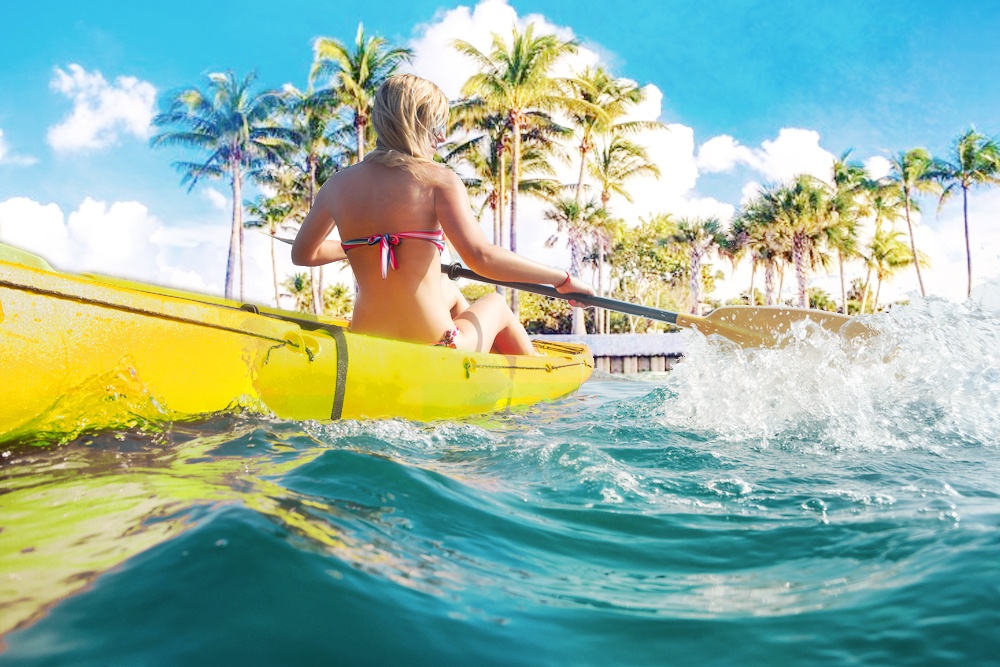
Hobe Sound sits at a junction of ecosystems: the warm Atlantic, a sheltered intracoastal lagoon, and coastal hammocks and dunes that help shape both the shoreline and the experience. For travelers who measure time by tides and transitions, Hobe Sound offers an unusually varied palette within short distances — glassy, wildlife-rich estuaries that suit first-time paddlers; broad, sandy beaches where sea turtles nest from late spring through early fall; and a shallow nearshore reef system that pulls snorkeling and diving itineraries away from the crowded keys and toward a quieter, more intimate encounter with Florida’s subtropical sea life.
The smaller scale of Hobe Sound works in the visitor’s favor. Launch points, rental shops, and guided operators cluster within easy reach of beaches and boat ramps, so it’s straightforward to match skill level with conditions: beginners find calm routes amid mangrove fingers and backwater lagoons, while more confident paddlers and open-water swimmers can test currents outside the inlet or follow coastal points toward nearby preserves. For divers and snorkelers, the offshore rock ledges and reef outcrops are rarely more than a short boat ride away, meaning less transit and more time underwater exploring fish nurseries, sponges, and coral heads.
The human and natural histories overlap here: indigenous peoples, Spanish explorers, and later coastal communities have all relied on the sea’s productivity, and fishing—both recreational and cultural—remains central to the local identity. That history influences how water areas are used and protected today; Hobe Sound National Wildlife Refuge and nearby preserves prioritize habitat protection while leaving room for low-impact recreation. Seasonality threads through everything. Warm months bring buoyant water temperatures and active marine life, but also afternoon thunderstorms and the broader hurricane season. Cooler months offer clearer water and calmer seas but can bring onshore winds that favor sheltered intracoastal paddles over open-ocean outings.
Planning for tides, timing, and wildlife awareness pays dividends. Many of the most rewarding activities revolve around biological rhythms: low tides reveal sand flats alive with stingrays and juvenile fish, high tides ease access into narrow mangrove channels, and nesting closures sometimes limit beach access during summer nights — all reasons to pair an itinerary with a local guide when possible. Whether you’re chasing the hush of an early-morning paddle through misted mangroves, the bright splash of a reef snorkel, or the patient hush of a flats fishing approach, Hobe Sound’s water-focused adventures reward curiosity, preparation, and a readiness to move with the tide.
Variety is the region’s strong suit: sheltered intracoastal paddles, estuary birding, flats fishing for bonefish and permit, nearshore reef snorkels, and full-day sportfishing charters can all be assembled into a single multi-day trip. That breadth makes Hobe Sound ideal for mixed groups where interests range from gentle wildlife viewing to more intense angling or diving pursuits.
Conservation and accessibility coexist here; protected beaches and refuge areas prioritize nesting shorebirds and sea turtles, while public parks and boat ramps provide legally sanctioned access points. Respecting seasonal closures and using reef-safe sunscreen are practical habits that keep the water healthy and the experience repeatable for others.
Local operators — kayak outfitters, charter captains, and dive shops — are valuable translators for the place: they know the tide windows, the best reef patches after a calm day, and where to minimize conflict with protected wildlife. Hiring a guide is often the fastest path to a safe, memorable outing, especially for newcomers.