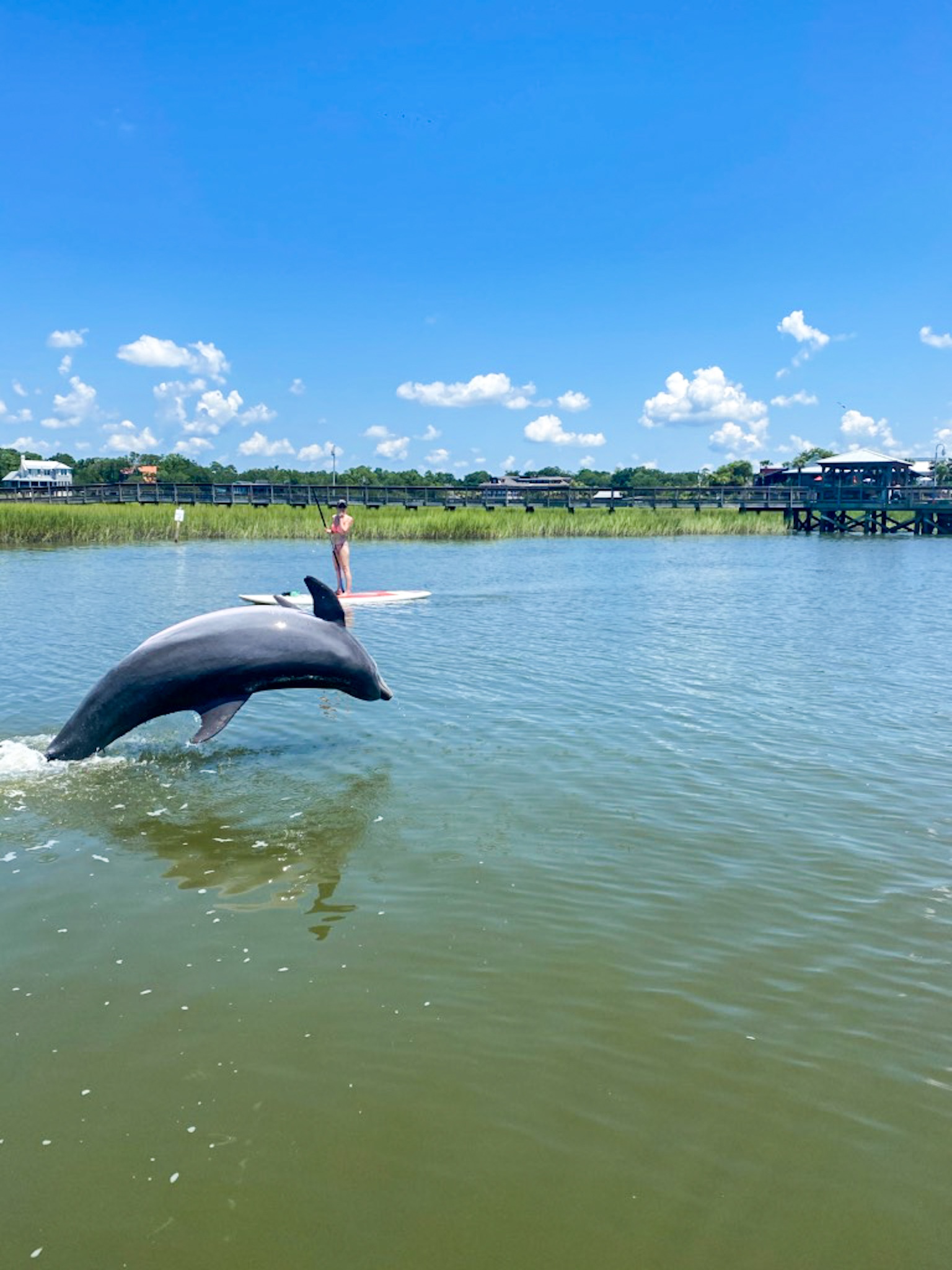
Isle of Palms reads like a shoreline primer for paddlers—where Atlantic surf and tidal marsh meet in close quarters, and the tide writes the map every few hours. The island itself is a narrow ribbon of sand with a protective lagoon and a network of tidal creeks that peel inland into thickets of spartina and palmetto. For kayakers, that translates to an intimate variety of conditions: tranquil, meandering channels that feel more like floating through a watercolor than a coastline; quick, open passages that challenge a steady stroke with wind and chop; and quiet approaches to outlying sandbars and bird-haunted islets that reward patience with close views of herons, egrets, and migratory shorebirds.
What makes paddling here especially rich is the relationship between water and wildlife. The low-country tidal system is a machine of memory—water rises and falls on a predictable schedule, concentrating fish in creeks and exposing feeding flats for birds. Timing your launch to the tide can turn a slog into a glide, or reveal miles of oyster ridges and shell-strewn flats to explore at low tide. Because the island sits near Charleston Harbor, trips can also be routed into more maritime waters for a taste of open-coast navigation—approaching Morris Island Light, skirting the edges of the harbor, or ferrying to Dewees Island’s protected bays for a completely different ecosystem.
Culturally the paddling here sits next to long-standing traditions: commercial shrimping and recreational fishing are part of the seascape, and small-town island life means launches, shuttles, and rental operations are straightforward. The practical upshot is accessibility—many put-ins are minutes from town, and guided trips cover most of the technical planning. Yet the place still feels wild in small slices: remote sand spits, tidal creeks thick with fiddler crabs at low tide, and the hush of marsh grass under a late-afternoon sky. For travelers, Isle of Palms offers paddling that is both approachable for beginners—calm water, short shuttle distances—and endlessly varied for more ambitious outings that incorporate tides, currents, and coastal navigation into a half- or full-day expedition.
The terrain is coastal low-country rather than rocky headlands: expect soft sand beaches, extensive salt marsh, narrow tidal creeks, and occasional oyster beds. Paddling skill matters most in wind and tide; sheltered channels reward relaxed exploration while exposed runs require forward momentum and attention to conditions.
Complementary activities pair naturally with kayaking: stand-up paddleboarding on calm lagoon water, guided birding tours that follow the same creeks, fishing from a sit-on-top kayak, and beachcombing or sunset walks on barrier islands reached by short paddles.
Choose by purpose
Whale watching, snorkeling, sunset sailing, cultural canoeing, harbor sightseeing, or private chartering.
Start near the city
Waikiki and Honolulu Harbor are primary hubs, with some trips launching near Hanauma Bay.
Confirm the vessel
Gangways, shaded seating, and boarding requirements vary according to vessel size and operator.