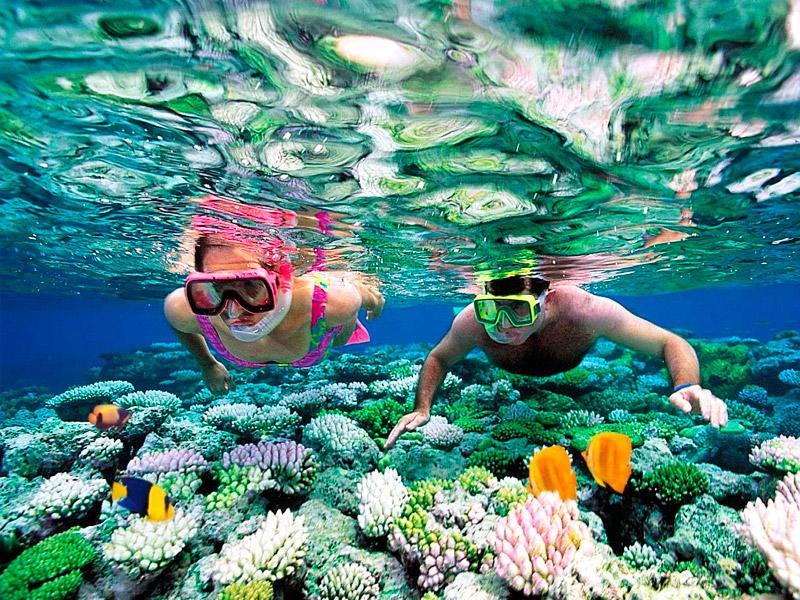
Snorkel Kaloko, Hawaii — Coastal Reefs, Lava Pools & Honu
Kaloko Snorkel Guide

Snorkel Kaloko, Hawaii — Coastal Reefs, Lava Pools & Honu

Kaloko's shoreline compresses a lot of Hawaiian coastal life into a short drive from Kona: black lava benches, pocket beaches, and ribbon reefs that teem with reef fish and the steady, slow presence of green sea turtles. Snorkeling here is about contrasts—shallow tide pools that brim with tiny life, clear reef flats where surgeonfish and parrotfish graze, and the occasional surge channel where visibility can widen into cinematic blue. For travelers, Kaloko offers approachable entry points for beginners alongside technical shoreline access that rewards careful planning. Expect intimate encounters rather than wide-open pelagic showpieces; this is a place for watching how reef systems function up close, paired naturally with cultural sites, short coastal hikes, and quiet afternoons on volcanic sand. Practicalities matter here: lava rock entry, shifting currents at some points, and strong sun make preparation essential. When tides and weather align, Kaloko is a restorative half-day pursuit—an easy morning float after coffee, a late afternoon reconnaissance before dinner, or a slow encounter with honu as they rise to breathe in the shallows. Local stewardship is strong; visitors who move slowly, minimize disturbance, and respect marked cultural areas will find the reef generous in return. Complementary activities include guided shore snorkeling to learn reef ecology, kayak or SUP paddles to reach calmer lagoon mouths, and visits to the Kaloko-Honokōhau National Historical Park to connect the marine life to centuries of native Hawaiian coastal stewardship.

Kaloko-Honokōhau National Historical ParkLava-rock coves & tide poolsProtected nearshore reefsSea turtle (honu) habitat

Live destination inventory

Top Snorkel Trips in Kaloko

165 trips · Book with confidence · Instant confirmation

The prototype intentionally does not invent replacement trip cards or add images that are not already part of the live source page.

The city from the water

Why Kaloko Is a Standout Snorkel Destination

Kaloko occupies a narrow but biologically rich stretch of coastline where lava meets the sea, and that geological intimacy shapes the snorkeling experience. Unlike long sandy beaches where snorkelers often spread out, Kaloko’s coastal morphology funnels activity into coves, reefs, and lava-formed tide pools—each a micro-ecosystem waiting to be observed. When you slip into the water here, you’re entering the working edge of a reef: algae-grazing parrotfish rasping on coralline growths, striped surgeonfish tending shared feeding zones, and the deliberate surfacing of green sea turtles as they breathe. The reef structure is primarily fringing—relatively close to shore—so many of the best spots are reachable without a boat, but that proximity also means conditions can be variable: swell, wind, and tidal exchange reshape visibility and currents over the course of a day. There’s also a cultural thread woven into Kaloko’s shoreline. Kaloko-Honokōhau National Historical Park preserves fishponds, loko iʻa, and ancient shoreline trails that reveal how native Hawaiians managed and lived with coastal resources. Snorkelers who pair their swims with a short walk through those restored areas gain perspective—the reef isn’t just a place to view fish, it’s a living resource that communities have cared for across generations. This blended experience—marine life and cultural context—gives snorkeling at Kaloko a reflective quality. It’s possible to spend an hour floating quietly along a reef edge and feel like you’ve absorbed a great deal about the local system: where juveniles hide, where algae thrives, how turtles use shallow flats for feeding. From a practical perspective, Kaloko is accessible to a wide range of travelers. Many entry points are short walks from parking areas, and the waters often suit beginners and families when conditions are calm. For more experienced snorkelers, lava-shelf entries, short swims to reef heads, and adjacent paddle routes to small coves offer slightly more adventurous options. What unites all visitors is a need for respect—of the honu, the corals, and the cultural sites—and a desire to leave the place as it was found. The reward for that ethos is intimate wildlife encounters, excellent nearshore visibility on good days, and the kind of coastal quiet that makes a simple snorkel feel like its own small voyage.

Entry variety is a strength: shallow protected ponds for families, pocket coves for curious snorkelers, and stretch-of-reef swims for those wanting longer sightlines.

Kaloko’s cultural sites and historical fishponds are directly adjacent to many snorkel access points—pairing reef exploration with a short interpretive walk deepens appreciation and supports local preservation practices.

Activity focus

Choose by purpose

Whale watching, snorkeling, sunset sailing, cultural canoeing, harbor sightseeing, or private chartering.

Departure hubs

Start near the city

Waikiki and Honolulu Harbor are primary hubs, with some trips launching near Hanauma Bay.

Accessibility

Confirm the vessel

Gangways, shaded seating, and boarding requirements vary according to vessel size and operator.

Seasonal planning

Best Time to Visit

Kaloko is warm year-round, but wind, swell, migration, visibility, and demand change the best match between traveler and trip.

Kaloko boat tour
Year-round destination

Seasonal highlights change the reason to go

Winter favors humpback encounters; warmer, calmer months favor snorkeling visibility and smoother water.

Humpback season

Summer months and holiday periods see increased local and visitor use of shoreline parks and snorkel sites.

Prime whale watching, winter holidays, higher demand, and earlier sell-outs.

Snorkeling window

May–June–July–August–September

Typically gentler seas and clearer water for snorkeling trips.

Weather notes

Trade winds year-round

Summertime months generally bring lighter trade winds and smaller swell at many Kona-side shores, producing calmer, clearer snorkel conditions. Winter months can create larger north or northwest swells and choppier water; however, sheltered coves remain snorkelable. Visibility is best on calm, low-wind mornings. Heat and strong sun are year-round concerns—bring protection and hydrate.

Quieter opportunities

Late spring & summer weekdays

Winter and shoulder months can offer quieter beaches and dramatic coastal weather; pick sheltered access points on windy days and expect cooler water temperatures.

Match the trip to your comfort

Choose Your Experience Level

Low effort

Beginner

Calm, shallow coves and protected tide pools with short, easy entries from sand or low lava benches. Ideal for families and first-time snorkelers when conditions are gentle.

  • Shallow reef float in a protected cove
  • Tide-pool exploration at low tide
  • Guided shore snorkel with an instructor
Active day trip

Intermediate

Longer swims along fringing reefs, lava-shelf entries, and use of fins to explore reef heads. Requires comfort with basic currents and longer surface swims.

  • Reef-head circumnavigation swims
  • Paddle-to-cove snorkel by kayak or SUP
  • Half-day guided reef ecology trip
Longer or technical

Advanced

Snorkelers who combine current reading, tide timing, and extended swims to reach isolated reef pockets. Experience with exit strategies on lava benches and use of surface marker buoys recommended.

  • Drift-snorkels along current channels
  • Long shore-to-reef swims following tidal windows
  • Photography sessions focused on cryptic reef species

Prepare for sun, spray, and swell

What to Bring

Essential

Core kit

  • Well-fitting mask and snorkel with anti-fog or defog solution
  • Fins that fit over reef shoes (if using shoes) or comfortable travel fins
  • Reef-safe sunscreen or a long-sleeve rashguard for sun protection
  • Light wetsuit or neoprene top in cooler months or for longer floats
  • Reef shoes or water shoes for rocky lava entry/exit
Recommended

Useful extras

  • Surface marker buoy (SMB) if drifting near boat channels
  • Compact first-aid kit and antiseptic for lava-scrapes
  • Waterproof camera or action camera with float tether
  • Small dry bag for keys, phone, and sunscreen while in the water
Optional

Trip-specific

  • Mask-mounted snorkel keeper or anti-fog wipes
  • Reef identification guide or waterproof cheat-sheet
  • Light snorkeling gloves for warmth (note: avoid gloves that damage reef)
Check local conditions, respect cultural sites, and prioritize reef-safe practices before entering the water.

Insider Tips & Local Knowledge

Reserve whale-watching and popular sunset cruises well ahead during December–April.
Choose morning snorkeling departures for calmer seas and better underwater visibility.
For motion sensitivity, choose a larger vessel, sit mid-ship, and take preventative medication before boarding.
Do not touch coral or wildlife, avoid standing on reefs, and use reef-safe sunscreen.
Community-based operators may add context about traditional navigation and stewardship.
Arrive early for parking and check-in because Waikiki departure areas can be busy.

Planning questions

Frequently Asked Questions

No general permit is required for casual shore snorkeling, but some park-managed areas have rules protecting cultural sites and wildlife—observe signage and respect restricted areas.
Snorkel Kaloko, Hawaii — Coastal Reefs, Lava Pools & Honu
Ready for your snorkel adventure?

Browse 165 verified trips in Kaloko.

Compare current availability and book with instant confirmation.

Explore Kaloko snorkel