Top 23 Walking Tours in Kaloko, Hawaii
Kaloko Walking Tour Guide

Top 23 Walking Tours in Kaloko, Hawaii

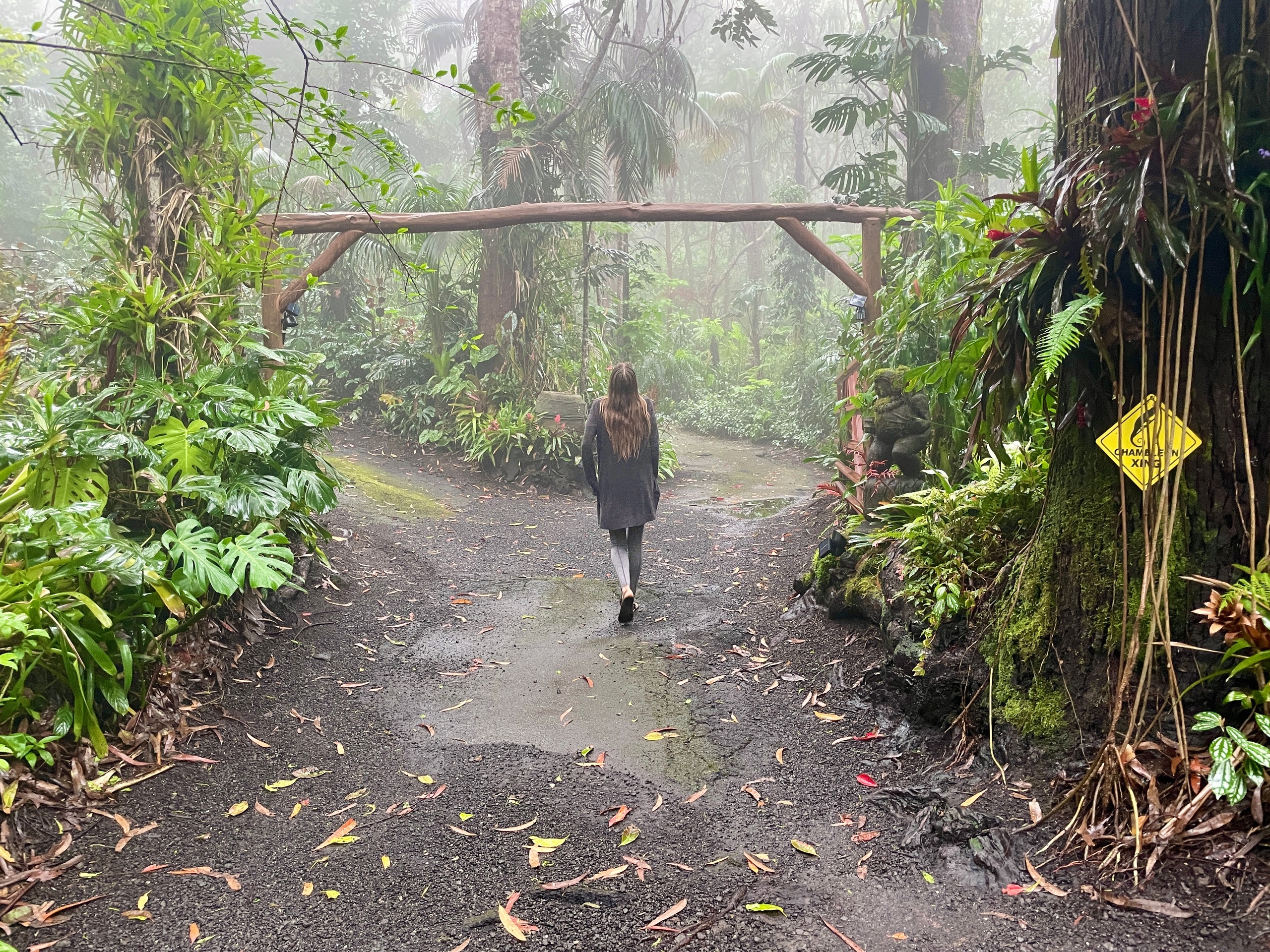
Kaloko’s walking tours are intimate lessons in coastal geology, Native Hawaiian history, and the slow, seaside choreography of birds and tide. Most routes peel away from busy Kona roads onto black-a'a lava, low coastal shrub, and boardwalks around reconstructed loko kuapa (fishponds). Guided cultural walks here prioritize interpretation — the stories behind trail alignments, the engineering of fishponds, and the protocols that protect sacred places — while self-guided loops let you read the place at your own pace. Expect short, contemplative walks of one to five miles, plus a handful of longer coastal rambles that require sturdy footing and a good sun hat.

Kaloko-Honokōhau National Historical ParkAncient FishpondsCoastal Lava FieldsAnchialine PondsKailua-Kona Shoreline

Live destination inventory

Top Walking Tour Trips in Kaloko

23 trips · Book with confidence · Instant confirmation

The prototype intentionally does not invent replacement trip cards or add images that are not already part of the live source page.

The city from the water

Why Kaloko Is a Standout Walking Tour Destination

Set along the leeward shore of Hawai‘i Island, Kaloko delivers walking tours that are quietly epic: they trade summit panoramas for the layered intimacy of shoreline geology and human craftsmanship. Where many visitors come to chase sunsets and snorkel reefs, walking here becomes a way to slow down and notice how lava becomes land, how people have shaped that land for centuries, and how sea and sky continue to shape daily life. The most visited stretch, Kaloko-Honokōhau National Historical Park, stitches together restored fishponds, ancient hale (house) sites, petroglyph fields, anchialine pools, and a coastal trail that unspools along hardened lava and scattered coral. These are not busy, alpine trails but tactile, low-slung walks where shoes meet porous rock, and each step invites a story about water-gathering, fishing cycles, and seasonal migrations. Walking tours in Kaloko emphasize cultural context. Local stewards and interpretive rangers guide many experiences, not to sanitize the past but to make it living and present: how fishpond walls were engineered to trap and grow limu and ‘ōpelu, where hui (community) labor shaped the shore, and which sites remain tapu (sacred) and should be approached with care. Nature is equally compelling — the coast is a study in contrasts: placid tide pools tucked behind jagged lava, seabirds nesting on low benches, and, offshore in winter, the motion of humpbacks breaking the horizon. On land, native plants cling to nutrient-poor soils while invasive species attempt to rewrite the shrub layer. The result is a series of walks that are simultaneously geological primer, cultural history tour, and quiet wildlife observation outing. Practicality shapes the experience: most walks are short, often looped, and accessible with moderate mobility when boardwalks are present, but some routes cross uneven ʻaʻā lava where good footwear, sun protection, and steady footing are non-negotiable. Seasonality matters less for weather than for wildlife and water: winter brings whale song offshore and calmer bays; summer increases visitor numbers and can raise daytime temperatures. For travelers who want to expand a walking tour into a full day, neighboring activities — guided snorkel trips to the reef, birding on wetland edges, or cultural workshops in Kona — slot together naturally. Above all, walking in Kaloko rewards a slow pace: put devices away, let wind and sea salt occupy the margins of awareness, and listen to an island that has always been walked.

The mix of short interpretive loops and longer coastal traverses means walkers of many abilities can experience deep place-based storytelling without committing to long distances.

Kaloko’s cultural programming often features kanaka maoli (Native Hawaiian) guides; joining a guided tour will deepen understanding of protocols, historical uses, and conservation priorities.

The harbor is the gateway, and the Pacific becomes the classroom.

Because trails run along exposed coast and lava fields, timing for shade, tides, and afternoon winds can make the difference between a mellow walk and a hot, exposed slog.

Activity focus

Choose by purpose

Whale watching, snorkeling, sunset sailing, cultural canoeing, harbor sightseeing, or private chartering.

Departure hubs

Start near the city

Waikiki and Honolulu Harbor are primary hubs, with some trips launching near Hanauma Bay.

Accessibility

Confirm the vessel

Gangways, shaded seating, and boarding requirements vary according to vessel size and operator.
Seasonal planning

Best Time to Visit

Kaloko is warm year-round, but wind, swell, migration, visibility, and demand change the best match between traveler and trip.

Kaloko boat tour
Year-round destination

Seasonal highlights change the reason to go

Winter favors humpback encounters; warmer, calmer months favor snorkeling visibility and smoother water.

Humpback season

Winter months (December–March) and major holiday periods see higher visitor numbers due to whale season and island travel peaks.

Prime whale watching, winter holidays, higher demand, and earlier sell-outs.

Snorkeling window

March–April–May–September–October–November

Typically gentler seas and clearer water for snorkeling trips.

Weather notes

Trade winds year-round

Kaloko is leeward and typically warm year-round. Expect strong sun, light trade winds, and brief afternoon showers in summer. Winter months bring cooler mornings and offshore swell that can calm bays — also peak whale season. Occasional vog (volcanic haze) from distant eruptions can degrade air quality.

Quieter opportunities

Late spring & summer weekdays

Late spring and early fall offer quieter trails and comfortable temperatures for longer mid-day walks; weekdays outside holidays are best for solitude.

Match the trip to your comfort

Choose Your Experience Level

Low effort

Beginner

Short, flat interpretive loops and boardwalks around fishponds and visitor centers; low exposure to rough lava.

  • Fishpond boardwalk loop
  • Visitor center interpretive trail
  • Short coastal lookout stroll
Active day trip

Intermediate

Longer shoreline walks across packed paths and occasional lava; requires steady footwear and sun protection.

  • Coastal lava trail to tidepools
  • Extended walk linking fishponds and petroglyph fields
  • Morning birding walk along wetland edges
Longer or technical

Advanced

Route-finding across ʻaʻā lava fields and reef benches, multi-mile coastal traverses with limited shade and no water sources; navigation skills and physical resilience required.

  • Full coastal traverse between remote bays
  • Lava-field reconnaissance and tide-dependent shoreline route
  • Self-supported exploration combining multiple cultural sites

Prepare for sun, spray, and swell

What to Bring

Essential

Core kit

  • Sturdy closed-toe shoes with good grip (lava is sharp and uneven)
  • At least 1 liter of water per person for short walks; more in heat
  • Sun protection: wide-brim hat, sunscreen, UV clothing
  • Light wind layer for mornings and changing coastal breezes
  • Phone with offline map or paper map; cell service can be intermittent
Recommended

Useful extras

  • Binoculars for offshore whales and birdwatching
  • Small portable shade (umbrella) or cooling towel for hot days
  • Compact first-aid kit and blister care
  • Reusable bag for carrying out any trash
Optional

Trip-specific

  • Camera with macro lens for tidepool detail
  • Reef shoes if planning to explore shallow tidepools
  • Field guide for seabirds or native plants
Always verify site access, seasonal closures, and local advisories before heading out; respect posted cultural and conservation signs.

Insider Tips & Local Knowledge

Reserve whale-watching and popular sunset cruises well ahead during December–April.
Choose morning snorkeling departures for calmer seas and better underwater visibility.
For motion sensitivity, choose a larger vessel, sit mid-ship, and take preventative medication before boarding.
Do not touch coral or wildlife, avoid standing on reefs, and use reef-safe sunscreen.
Community-based operators may add context about traditional navigation and stewardship.
Arrive early for parking and check-in because Waikiki departure areas can be busy.

Planning questions

Frequently Asked Questions

Most self-guided walks in Kaloko are free and require no permit. Organized commercial tours or special access requests may require permits or coordination with park stewards—check with Kaloko-Honokōhau National Historical Park or local tour operators.
Top 23 Walking Tours in Kaloko, Hawaii
Ready for your walking tour adventure?

Browse 23 verified trips in Kaloko.

Compare current availability and book with instant confirmation.

Explore Kaloko walking tour