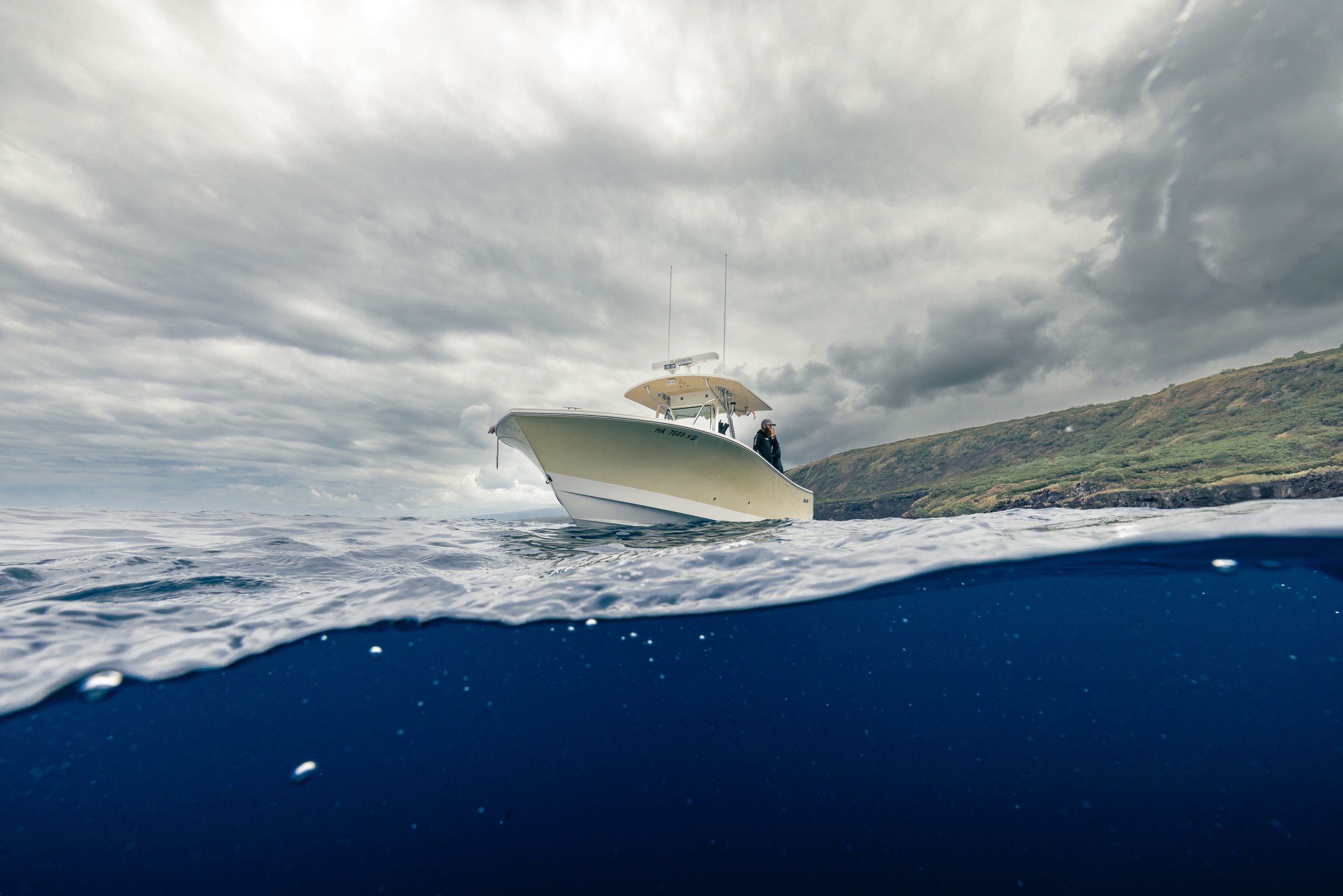
Why Kaloko Is a Standout Whale-Watching Destination
Each winter the Pacific writes a familiar, enormous story along the Kona coast: humpback whales migrate thousands of miles from nutrient-rich northern feeding grounds to the warm, protected waters off the Big Island. In Kaloko, that migration meets a coastline of lava benches, tidal pools, and low cliffs that allow both shore-based and small-boat viewing with unusually close—but respectful—access. For travelers who want the electricity of a breach seen from a black-rock promontory or the low-key intimacy of a family-oriented boat crossing where mother-and-calf pairs mill in the swell, Kaloko offers both.
The whales that visit Hawaiian waters—kohola in Hawaiian tradition—carry cultural and ecological weight. Generations of islanders have woven the presence of humpbacks into stories, songs, and seasonal calendars; today, viewing them is as much an act of witness as it is recreation. The nearshore topography here, with deep channels not far offshore, concentrates singing males and courting groups close enough for hydrophones to pick up their complex, haunting songs. That proximity is why small naturalist-led trips and guided shore watches are particularly rewarding: you can be in earshot of whale song and in sight of choreography that ranges from lazy spy-hops to explosive breaches.
Practical conditions also favor Kaloko. Winter trade winds tend to lay down early in the day, so morning outings often find glassy seas and high visibility. The region's tour operators are experienced in reading marine behavior and local weather, and they run a spectrum of experiences—short interpretive cruises for families, rigid-hulled inflatables for photographers seeking action, and multi-hour charters for whale-watch aficionados who want extended time on the water. Shore-based options—park overlooks, beachheads, and quiet lava benches—are a low-cost alternative for those who prefer to keep their feet dry. Wherever you stand, federal regulations and local guidance keep the encounters safe for whales; vessels and visitors are required to observe approach-distance rules, and responsible operators prioritize mother-calf safety over showy displays.
Beyond the whales themselves, Kaloko is an efficient hub for layering marine adventures. A morning whale watch can easily bookend an afternoon snorkel with sea turtles, a night dive with manta rays further south, or a cultural walk through the Kaloko-Honokōwai historical park learning about ancient fishponds and coastal stewardship. The area’s compact scale—lodging, launch points, and coastal trails within short drives—makes it possible to plan focused half-day experiences that feel like full departures from routine. For photographers, naturalists, and families alike, Kaloko’s whale season is equal parts spectacle and quiet study: a time to see something immense and to learn how human choices shape the future of these giants.
Kaloko's proximity to deepwater channels draws humpbacks close to shore, increasing sighting odds for both boat and shore watchers.
Morning trips are usually calmer and more productive; operators follow NOAA approach rules and prioritize noninvasive observation.
Choose by purpose
Whale watching, snorkeling, sunset sailing, cultural canoeing, harbor sightseeing, or private chartering.
Start near the city
Waikiki and Honolulu Harbor are primary hubs, with some trips launching near Hanauma Bay.
Confirm the vessel
Gangways, shaded seating, and boarding requirements vary according to vessel size and operator.