Why Kapaa Is a Standout Hiking Destination
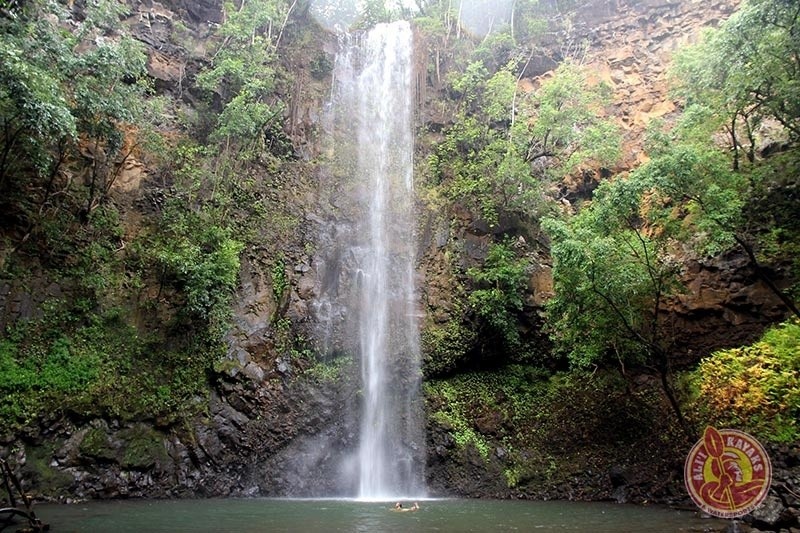
Kapaa’s hiking identity is quiet, verdant, and immediate: trails begin within town limits, climb through old-growth Hawaiian forest, or slip along the ocean where surf and wind sculpt the air. Here the island’s geology and rain patterns conspire to create a mosaic of microclimates—coastal scrub and banyan-lined shorefronts, wet gulches dripping with ferns, and the steeper, drier slopes of volcanic ridge—so a single morning can deliver pungent salt spray, the sudden chorus of rainforest amphibians, and a wind-swept summit panorama. The Sleeping Giant (Nounou) trails are Kapaa’s calling card: a pair of well-worn routes that thread through orchards, native shrub, and kiawe, and end at viewpoints that feel disproportionate to the short climb. For travelers who want accessible adventure, the Ke Ala Hele Makalae coastal path is an ideal sunrise option—paved, scenic, and sociable—while the Wailua River Valley opens into a softer, more secretive side of the landscape where paddle-and-hike combos lead to the jungle-hidden Uluwehi (Secret) Falls.
Hiking in Kapaa carries cultural texture: trails often skirt old ahupuaʻa boundaries, pass through loʻi kalo (taro terraces), and offer perspectives on the way water and people shaped the land. Local guides and signage increasingly incorporate Hawaiian place names and stories, and even short walks can feel like a lesson in island ecology—how trade winds feed mountains with cloud moisture, how lava-derived soils support a tangle of introduced and native species, and how resilient understories regenerate after storms. Because Kapaa occupies the wetter, windward side of Kauai, trails can flip from dusty to muddy after a single squall; creeks swell quickly and roots grow slick. That immediacy is part of the appeal: hikes that demand attention deliver rich rewards—orchids and ferns in bloom, sudden ocean vistas through fern-framed openings, and the sense that you’ve stepped into a living, changing system.
For practical travelers, Kapaa is a perfect base for mixing activities. A morning hike up Nounou pairs naturally with an afternoon kayak on the Wailua River or a mellow surf lesson at a nearby beach break; photographers favor dawn on the coastal path, while birders find early mornings richest along riparian edges. The hiking here leans toward day trips rather than long backcountry expeditions, which makes Kapaa friendly for families and for travelers who want concentrated, memorable outdoor time without deep logistical planning. Still, respect for weather windows and respect for private land are essential: some inviting tracks approach agricultural parcels and elders’ homesteads; always follow posted access guidance and local courtesy. In short, Kapaa condenses Kauai’s larger wildness into approachable, sensory-rich hikes—compact experiences with the island’s rainforests, rivers, and sea stacked like panels in a continually evolving landscape.
Short, accessible trails sit alongside more secluded singletrack and river hikes—Kapaa is an excellent place to combine quick sunrise walks with half-day rainforest explorations.
Weather defines the day: quick tropical showers can transform muddy trails and creek levels, so adaptability in planning and gear is essential.
Choose by purpose
Whale watching, snorkeling, sunset sailing, cultural canoeing, harbor sightseeing, or private chartering.
Start near the city
Waikiki and Honolulu Harbor are primary hubs, with some trips launching near Hanauma Bay.
Confirm the vessel
Gangways, shaded seating, and boarding requirements vary according to vessel size and operator.