Why Kapaa Is a Standout Walking Tour Destination
Kapaa sits on Kauai’s windward shore as a town that rewards walking with constant, manageable revelations. The walking tours here are not about conquering summits but about reading landscape and culture at a human pace—the feel of trade winds across an exposed bluff, the hush inside a banyan-shaded courtyard, the scent of fresh poi and roasted coffee drifting from a local stall. Coastal promenades like Ke Ala Hele Makalae give walkers an elongated oceanfront stage where surf-splashed lava, sandy pocket beaches, and sculpted ironwood groves pass in gentle succession, while shorter, interpretive loops through old Kapaa Town trace the island’s plantation-era architecture, mission school sites, and newer creative hubs.
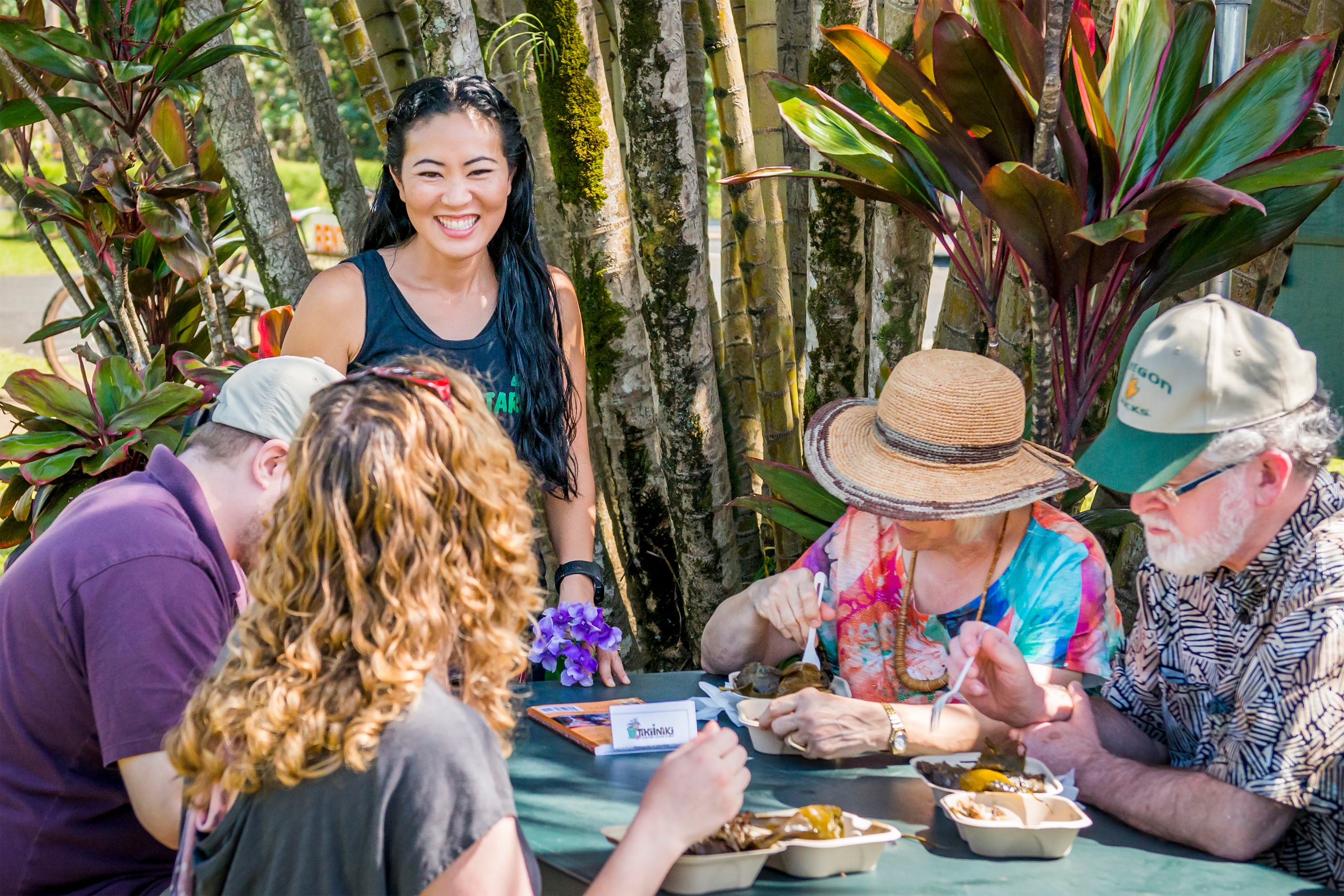
Beyond scenery, Kapaa’s walking tours are instructive: guides often weave in stories of ancient ahupuaʻa land divisions, the Wailua River’s role in island settlement, and the transition from sugar plantations to diversified agriculture and tourism. That historical arc is visible underfoot—old irrigation ditches, taro loʻi on low-lying terraces, and the weathered facades of plantation homes adapted into cafes and galleries. For travelers who want tactile context, Kapaa offers interpretive walks that stop at farmers’ market stalls, lanai kitchens, and artisans’ workshops, turning a short stroll into an encounter with living Hawaiian culture.
Practical terrain matters: most Kapaa walks are low-elevation and accessible—paved coastal paths, compact-sand beach walks, and flat town streets dominate—but sections can be exposed to sun, variable surf spray, and occasional slippery algae on rocks. Rain is localized; a half-hour shower can transform a dry promenade into a glistening, fragrant path, so good footwear and a packable rain layer make sense. Seasonality is generous—walks are comfortable year-round—but late fall and winter bring larger surf and brief heavy showers, which elevate dramatic coastal views while narrowing safe beach access. Complementary activities expand the experience: paddle upstream on the Wailua River for a quieter perspective, join a snorkeling float near Lydgate to inspect coral gardens, or rent a bike and combine a longer coastal pedal with short walking detours.
For travelers planning a Kapaa walking itinerary, accessibility and pacing are key. Morning light and calmer trade winds favor coastal paths and riverfront strolls; late afternoons offer softer light for town wanderings and food-focused stops. Many tours are family-friendly and low-impact, while specialized walks—history-focused, culinary, or photography-led—provide deeper interpretation for repeat visitors. Whether you’re following a self-guided map or walking with a local guide, Kapaa’s charm lies in small moments: the sound of a rooster across a taro patch, a kupuna’s memory of the old plantation road, the sudden opening of an ocean view framed by hibiscus. Walking here is an act of attention, and it pays dividends in nuanced, transportable impressions of Kauai’s windward coast.
Walks tend to be short to moderate in distance and emphasize cultural stops, coastal panoramas, and accessible infrastructure—ideal for travelers seeking low-effort, high-context outings.
Complementary activities like kayaking the Wailua, snorkeling at Lydgate, and cycling the Kapaa coastal path can be combined with walking tours to create half-day and full-day experiences.
Choose by purpose
Whale watching, snorkeling, sunset sailing, cultural canoeing, harbor sightseeing, or private chartering.
Start near the city
Waikiki and Honolulu Harbor are primary hubs, with some trips launching near Hanauma Bay.
Confirm the vessel
Gangways, shaded seating, and boarding requirements vary according to vessel size and operator.