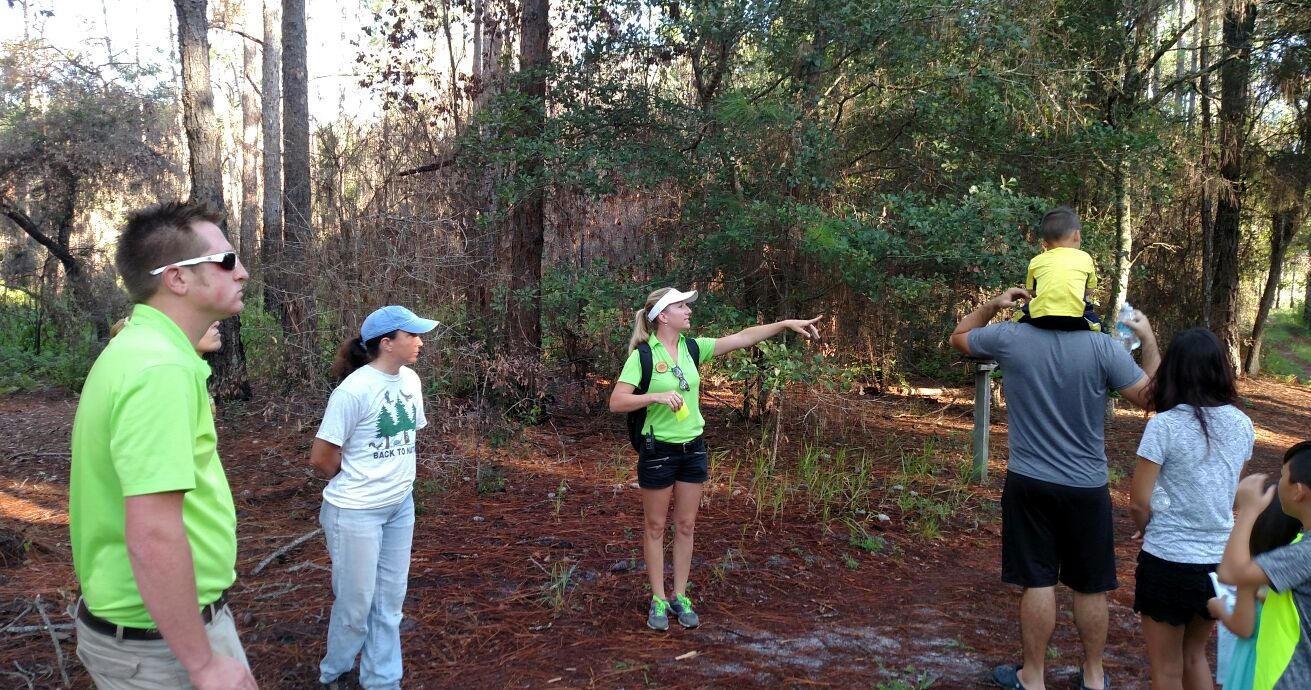
Kathleen is quiet by intention: a patchwork of shallow lakes, marshy headwaters, and open agricultural fields that collectively host an outsized diversity of life. For travelers who measure worth by the morning chorus of birds and the ease of slipping into water without traffic or infrastructure in the way, Kathleen offers the kind of low-key intimacy that larger park systems rarely sustain. Eco tours here are small-scale and human in scope—local guides know the seasonal rhythms of birds, amphibians, and pollinators and can point you to a nesting pair of rails as readily as they’ll explain how citrus groves and wetlands intersect to shape the landscape.
The area’s appeal lies in accessibility and contrast. A two-hour guided paddle can move from open lake to reedy shoreline to narrow canal, each microhabitat producing different species and photo opportunities. Short guided walks thread through woodland edges and pasture margins where migratory songbirds refuel in spring and fall. In the winter months, mild temperatures attract overwintering waterfowl and migratory raptors, making dawn tours particularly rewarding. By summer, the landscape is thick with insect life, night frogs, and the heavy humidity that tests gear and patience but also animates the nocturnal world—perfect for guided night walks that illuminate a different ecosystem dynamic. These are not hyper-technical adventures; they’re crafted for observation and learning, blending interpretive storytelling with on-the-ground natural history.
Beyond wildlife, eco tours in Kathleen often connect to local livelihoods. Agricultural eco-tours and farm visits focus on citrus and mixed uses of the land, framing conservation conversations around pollinator health, soil, and water management. Some operators tie their programming to hands-on restoration—volunteer mornings planting native grasses or removing invasive species—that let visitors participate directly in stewardship. That practical orientation gives many tours an ethical dimension: you’re not merely observing, you’re seeing how people who live here are working to keep local habitats intact. For the traveling naturalist who wants more than a checklist—who wants context, a pace that invites attention, and a sense of place—Kathleen’s eco tours deliver a layered, accessible experience.
Small-group tours prioritize observation and low-impact travel—ideal for birders, families, and photographers.
Connections to agriculture mean some tours pair wildlife watching with conversations about citrus, pollinators, and land management.
The harbor is the gateway, and the Pacific becomes the classroom.
Seasonal variation reshapes the experience: migration and cooler months favor birding, while summer and early fall enliven amphibians and nocturnal life.
The terrain is generally flat and accessible; many tours are suitable for novice paddlers and hikers with basic fitness.
Local guides emphasize conservation and Leave No Trace practices, often offering volunteer or citizen-science options.
Choose by purpose
Whale watching, snorkeling, sunset sailing, cultural canoeing, harbor sightseeing, or private chartering.
Start near the city
Waikiki and Honolulu Harbor are primary hubs, with some trips launching near Hanauma Bay.
Confirm the vessel
Gangways, shaded seating, and boarding requirements vary according to vessel size and operator.