Fishing in Largo, Florida — Flats, Bays, and Gulf Access
Largo Fishing Guide

Fishing in Largo, Florida — Flats, Bays, and Gulf Access

Largo sits at the casual center of Pinellas County’s fishing life: shallow flats threaded with seagrass, mangrove shorelines that harbor snook and redfish, and fast access to Tampa Bay and the Gulf for bigger game. This guide zeroes in on what makes Largo an efficient, year-round base for fishing—whether you’re tossing a line from a neighborhood pier, poling a flats skiff across glassy water, or booking a half-day charter for a gulf run.

Boca Ciega BayIntracoastal WaterwayGulf of Mexico access

Live destination inventory

Top Fishing Trips in Largo

52 trips · Book with confidence · Instant confirmation

The prototype intentionally does not invent replacement trip cards or add images that are not already part of the live source page.

The city from the water

Why Largo Is a Smart Choice for Fishing

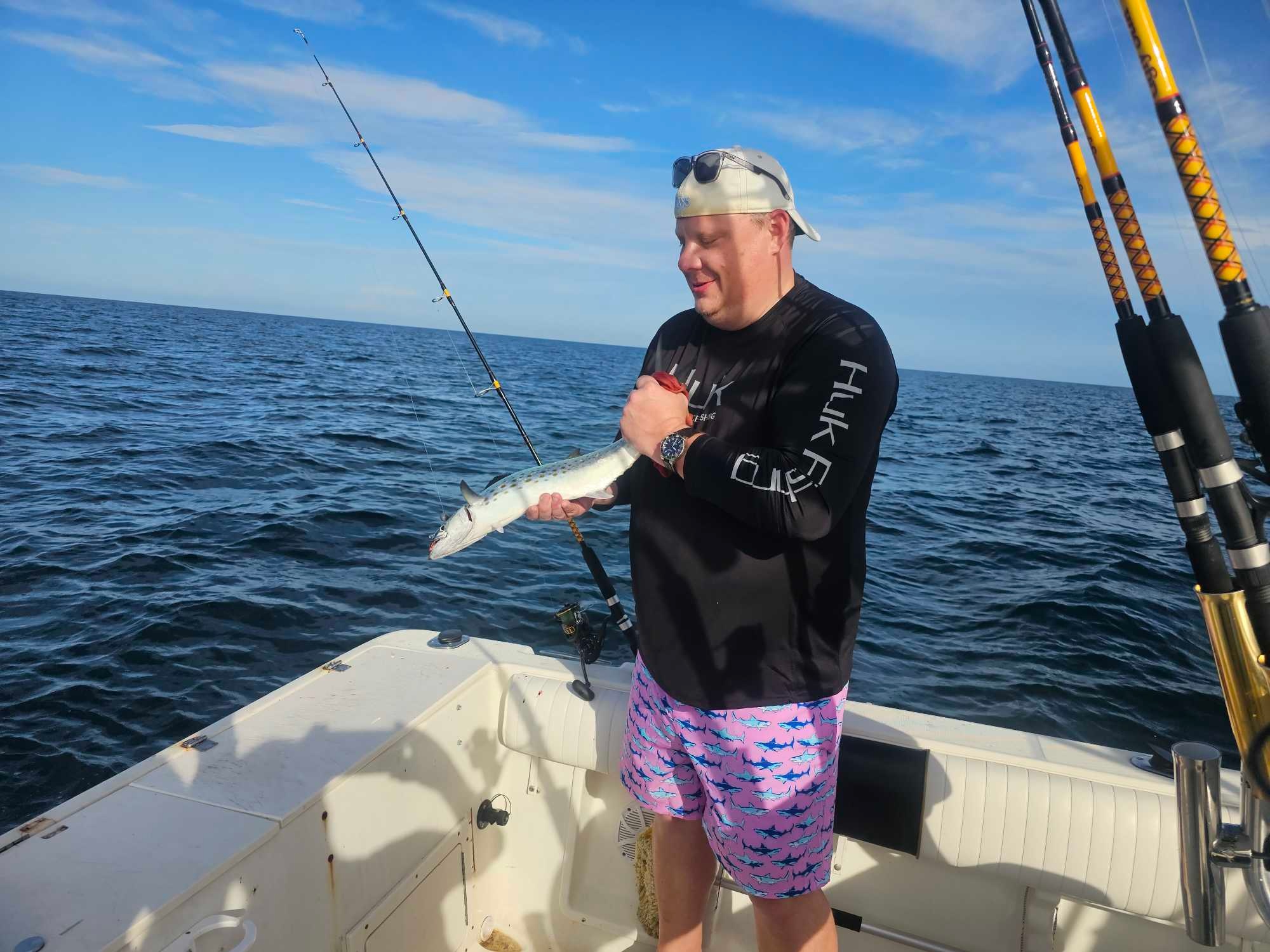
There’s a particular rhythm to fishing out of Largo: short runs to productive water, a mix of habitats within a 20–40 minute boat ride, and shoreline fishing options that make the sport accessible to families and serious anglers alike. The surrounding mosaic—mangrove-lined creeks, broad shallow bays, and nearby Gulf inlets—means one morning can deliver a flats sight-fishing for trout and redfish and an afternoon might turn into a tarpon chase when the migratory run swings through in spring. Part of Largo’s appeal is its practicality. Launch ramps and neighborhood piers mean you don’t need a full day to find fish; many productive spots are a short paddle or boat ride away, which is ideal for anglers balancing time with other travel plans. For visiting anglers, that translates into more time casting and less time crossing long transit corridors. Local guides and charters run short and half-day options that make the most of tidal windows and sun angle, and kayakers will find protected backwaters and flats that are equal parts quiet and productive. Ecologically, this stretch of Pinellas County is a study in coastal productivity. Seagrass beds and mangroves support baitfish and crustaceans that attract snook, red drum, spotted sea trout, and sheepshead. Offshore, the Gulf and Tampa Bay structure—reefs, wrecks, and passes—bring snapper, grouper, kingfish, and, for those chasing a bigger thrill, seasonal tarpon. Because these systems are relatively shallow and clear compared with deeper Atlantic waters, techniques shift toward finesse: sight casting on calm days, soft plastics over grass, live bait on slack tides, and stealthy poling in quieter channels. Largo’s fishing scene also leans local and low-key. You’ll see family anglers, weekend cranks heading out for snappers, kayak fishermen poling flats, and guides who know how to read tide and wind to put you on fish. The town itself isn’t about spectacle; it’s an efficient launchpad. By planning around tides, understanding the seasonal species shifts, and considering a guide for unfamiliar water or specialty trips (tarpon, night snook, or deep-water structure), anglers can reliably stack good days here. This guide focuses on the stylistic and practical choices—where to fish for which species, how the landscape shapes technique, and what to pack and plan for making the most of Largo’s compact, productive coast.

Short transit times to productive water make Largo a practical base for anglers who want to maximize fishing hours without long boat runs.

The diversity of habitats—mangroves, flats, seagrass, and nearby deep-water structure—supports a wide seasonal slate of species from trout and redfish to tarpon and snapper.

The harbor is the gateway, and the Pacific becomes the classroom.

Largo’s shoreline and launch infrastructure are friendly to shore anglers, kayakers, and motor-boat charters, which means visitors can tailor trips to skill level, budget, and interest.

Activity focus

Choose by purpose

Whale watching, snorkeling, sunset sailing, cultural canoeing, harbor sightseeing, or private chartering.

Departure hubs

Start near the city

Waikiki and Honolulu Harbor are primary hubs, with some trips launching near Hanauma Bay.

Accessibility

Confirm the vessel

Gangways, shaded seating, and boarding requirements vary according to vessel size and operator.
Seasonal planning

Best Time to Visit

Largo is warm year-round, but wind, swell, migration, visibility, and demand change the best match between traveler and trip.

Largo boat tour
Year-round destination

Seasonal highlights change the reason to go

Winter favors humpback encounters; warmer, calmer months favor snorkeling visibility and smoother water.

Humpback season

Late spring through summer—tarpon migratory window and steady inshore activity.

Prime whale watching, winter holidays, higher demand, and earlier sell-outs.

Snorkeling window

April–May–June–July–August–September

Typically gentler seas and clearer water for snorkeling trips.

Weather notes

Trade winds year-round

Spring and early summer are warm with stable water temperatures and migrant species like tarpon moving through; summer brings heat, afternoon thunderstorms, and high humidity; fall can deliver calm conditions and productive flats fishing. Hurricane season (June–November) can disrupt plans—monitor forecasts and local advisories.

Quieter opportunities

Late spring & summer weekdays

Late fall and winter often bring calmer winds and cooler water that concentrates certain species (sheepshead, winter trout) and can offer quieter waters and lower crowd levels.

Match the trip to your comfort

Choose Your Experience Level

Low effort

Beginner

Accessible options for newcomers include pier and shoreline fishing, easy kayak outings in protected flats, and half-day inshore charters where guides handle gear and techniques.

  • Family-friendly pier or shoreline session targeting sheepshead and snapper
  • Guided half-day inshore trip for trout and redfish
  • Kayak trip in protected bay flats
Active day trip

Intermediate

Anglers with some experience can explore sight-casting on the flats, live-bait in mangrove cuts, and off-shore wreck/reef fishing on short runs.

  • Sight-fishing for spotted sea trout and redfish on shallow flats
  • Poling a small skiff along mangrove channels for snook
  • Short offshore wreck trip for snapper and grouper
Longer or technical

Advanced

Skilled anglers can chase seasonal tarpon, night-time snook tactics, and long-range offshore structure trips requiring saltwater-savvy techniques and navigation knowledge.

  • Tarpon sight-and-chase sessions during spring migration
  • Night snook with live bait along ledges and bridges
  • Full-day offshore structure and pelagic trips

Prepare for sun, spray, and swell

What to Bring

Essential

Core kit

  • Florida saltwater fishing license (required for most anglers 16+)
  • Polarized sunglasses and sun protection (hat, SPF)
  • Light to medium spinning outfit (6'6"–7' rods) with braided mainline and fluorocarbon leader
  • Selection of soft plastics, topwaters, and live-bait rigging
  • Pliers, dehooker, and small first-aid kit
  • Life jacket (PFD) and basic safety gear if boating
Recommended

Useful extras

  • Tide and chart app on your phone; offline map or paper chart as backup
  • Wading shoes or traction sandals for kayak/shore anglers
  • Small cooler with ice for bait and catch
  • Rain shell for sudden summer storms
  • Spare line, leaders, and a selection of hooks (circle hooks for catch-and-release)
Optional

Trip-specific

  • Light poling kit or push pole for sight-fishing on flats (if using a skiff)
  • Compact fish ruler or bump board for quick measurements
  • Camera or action cam for shots of big fish and sight-fishing moments
  • Binoculars for scanning flats and bird activity
Check tides and wind before you go; many productive spots hinge on the right tidal phase. Respect local regulations, protected seagrass beds, and seasonal closures.

Insider Tips & Local Knowledge

Reserve whale-watching and popular sunset cruises well ahead during December–April.
Choose morning snorkeling departures for calmer seas and better underwater visibility.
For motion sensitivity, choose a larger vessel, sit mid-ship, and take preventative medication before boarding.
Do not touch coral or wildlife, avoid standing on reefs, and use reef-safe sunscreen.
Community-based operators may add context about traditional navigation and stewardship.
Arrive early for parking and check-in because Waikiki departure areas can be busy.

Planning questions

Frequently Asked Questions

Yes—Florida requires a saltwater fishing license for most anglers age 16 and up. Short-term licenses and online purchasing are available; keep your documentation while fishing.
Fishing in Largo, Florida — Flats, Bays, and Gulf Access
Ready for your fishing adventure?

Browse 52 verified trips in Largo.

Compare current availability and book with instant confirmation.

Explore Largo fishing