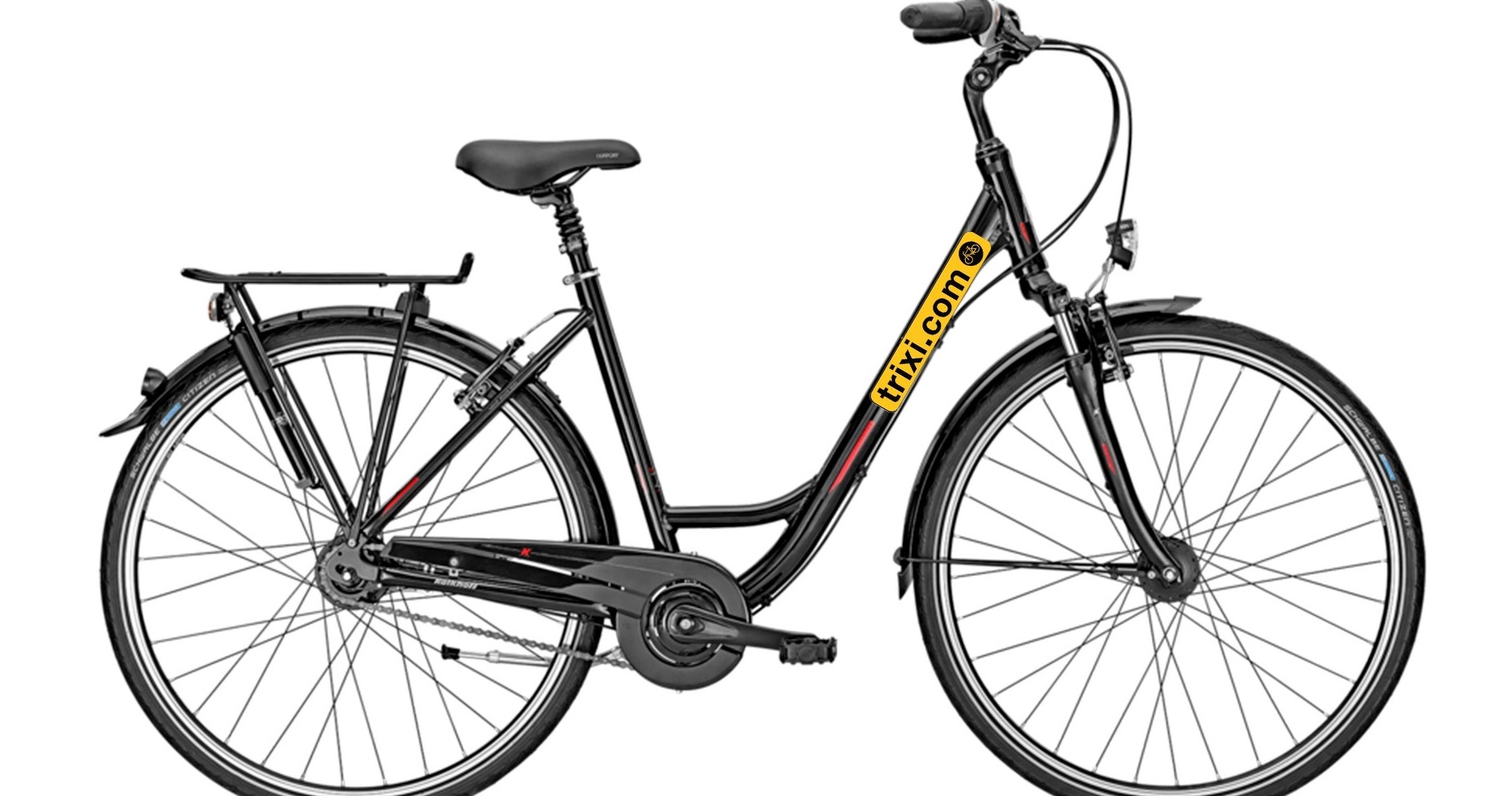
Madrid rewards the curious cyclist with a rare mix: dense urban culture threaded with deliberate greenways and a surprising proximity to rugged mountain terrain. Rent a bike in the morning and you can cruise a riverside paseo beside commuters and joggers; rent an e-bike in the afternoon and head for the foothills of the Sierra de Guadarrama for a golden-hour climb. The city’s investment in cycling infrastructure over the last decade—protected lanes, expanded bike parking, and popular bike-share programs—makes short urban hops comfortable for first-time riders while also creating reliable connectors for more serious day rides.
The rental market itself is layered: compact city cruisers and rentable public bikes cover errands and short tours; high-quality hybrid and gravel bikes open up park-to-park exploration; and e-bikes lower the barrier for families and less-fit visitors who want to cross bridges and climb short hills without breaking a sweat. Outside the ring road, Casa de Campo and the Madrid Río corridor present smooth, traffic-calmed loops lined with plane trees and river views, ideal for relaxed sightseeing. For riders chasing gradient and geology, the dark granite faces and pine-scented passes of Guadarrama sit an easy train or short drive away—many rental shops arrange shuttle or point-to-point returns so you can ride up and shuttle back without doubling the effort.
Culturally, cycling in Madrid is as much about pausing as it is about motion. Parks serve as living rooms: stop for a coffee in Condesa-like cafés along Paseo del Prado, or join locals in Retiro for a late-afternoon paseo. The city’s tapas culture pairs well with short route planning—map a string of neighborhoods and stop for bites between pedaled segments. Environmentally, choosing a bike over a taxi is an immediate, low-bureaucracy way to reduce your footprint while experiencing neighborhoods—Malasaña’s street art, Lavapiés’ multicultural bustle, and Salamanca’s elegant boulevards feel more intimate at 12–15 km/h than they do behind tinted glass.
Practicalities are equally straightforward: bikes come in a range of styles and price points; basic IDs and deposits are common; helmets are often offered but not always mandatory for adults—check local rules and wear one regardless. Peak times for rentals are spring and fall when temperatures are mild and the light is forgiving; summer afternoons can be hot but early mornings and evenings are splendid for longer rides. Whether you’re on a cheap city hire or a tuned gravel machine, Madrid’s modular mix of city lanes, park loops, and mountain access makes renting a bike here a low-friction, high-repetition way to discover the region on your own rhythm.
Cycling infrastructure: Madrid’s ciclovía network and expanded bike lanes make core neighborhoods surprisingly navigable for pedal power.
Rental diversity: options range from casual city bikes and public e-scooter-style systems to full-suspension mountain bikes and gravel rigs for excursions beyond the city.
The harbor is the gateway, and the Pacific becomes the classroom.
Connectivity: convenient train links to Sierra de Guadarrama and coordinated shop services enable point-to-point adventures rather than round-trip slogging.
Choose by purpose
Whale watching, snorkeling, sunset sailing, cultural canoeing, harbor sightseeing, or private chartering.
Start near the city
Waikiki and Honolulu Harbor are primary hubs, with some trips launching near Hanauma Bay.
Confirm the vessel
Gangways, shaded seating, and boarding requirements vary according to vessel size and operator.