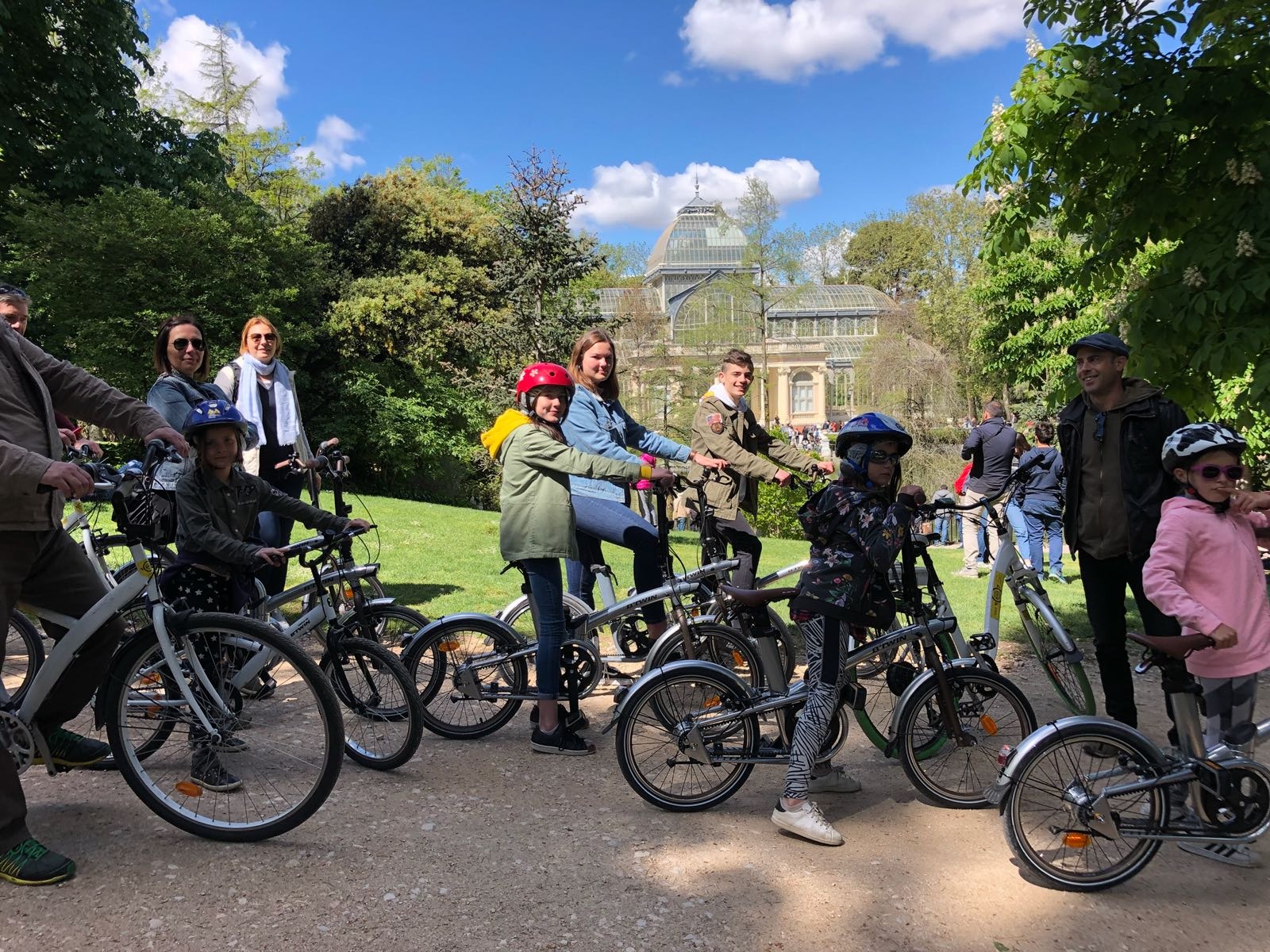
Why Madrid Is a Standout E‑Bike Destination
Madrid’s rhythm is best understood on two wheels: the city pulses with plazas, cafés, and shaded boulevards that invite a relaxed, exploratory pace, while the surrounding Comunidad stretches into surprisingly varied terrain—river corridors, royal parks, agricultural plains, and mountain passes—each suited to a different kind of electric‑assist ride. What makes Madrid special for e‑biking is the way those domains link together. A morning ride along the calm, paved towpaths of Madrid Río can end with lunch in a historic neighborhood; after a short train transfer or a scenic pedal, you can be climbing pine‑lined ascents in the Sierra de Guadarrama, where the motor lets riders of mixed fitness share the same mountain ridge. E‑bikes reduce the friction of distance and gradient, turning what would otherwise be a technical or time‑consuming day into an attainable, elegant excursion.
This accessibility reshapes the itinerary: city lovers can extend a cultural loop—Retiro Park, the Prado, and narrow barrio streets—into a pastoral afternoon, riding past agricultural fields and small riverside towns like Aranjuez. For nature seekers, e‑bikes open up long gravel lanes, mixed singletrack, and forest fire roads that reward persistence with wildflower meadows or sweeping views of Madrid’s skyline folded against distant peaks. On multi‑day routes, an electric assist removes the need to choose between distance and enjoyment; you can comfortably sample tapas in a village and still reach a sunset overlook two valleys over. The result is not a mere easing of effort, but a different kind of travel: slower in attention, broader in reach.
Madrid’s climate and infrastructure reinforce that advantage. Bike lanes, dedicated paths along the Manzanares, and well‑marked rural roads make navigation straightforward for self‑guided riders. At the same time, the region’s seasonality—hot, dry summers and mild, bright springs and falls—suggests when to push for longer climbs or when to plan cooler, early starts. Cultural texture is part of the ride: centuries‑old towns, royal estates like El Escorial and Aranjuez, and the occasional tapas bar on a plaza are not background noise but active anchors for planning daily distances and charging stops. For families or mixed‑ability groups, e‑bikes turn otherwise exclusive routes—steep vineyard terraces or long ridgeline sections—into shared experiences. And for experienced cyclists, Madrid offers technical possibilities too: gravel roads, steep ascents in the Guadarrama, and long descents that reward good braking technique and situational awareness.
In short, Madrid’s value for e‑biking is its range: short, polished urban circuits one minute, remote granite country the next. The electric assist reframes distance, gradient, and logistics into an opportunity to craft itineraries that blend culture, natural beauty, and efficient travel. The rest of this guide translates that promise into practical routes, packing lists, seasonal notes, and tips for getting the most out of your e‑bike days in the Comunidad de Madrid.
The region’s infrastructure balances city conveniences and rural solitude—bike lanes, riverside promenades, and well‑signed country roads reduce navigation friction, while frequent towns provide places to recharge both battery and rider.
E‑bikes democratize access to the mountain scenery of the Sierra de Guadarrama and the historical landscapes of El Pardo and Aranjuez, inviting multi‑ability groups to share longer routes without sacrificing pace or enjoyment.
Choose by purpose
Whale watching, snorkeling, sunset sailing, cultural canoeing, harbor sightseeing, or private chartering.
Start near the city
Waikiki and Honolulu Harbor are primary hubs, with some trips launching near Hanauma Bay.
Confirm the vessel
Gangways, shaded seating, and boarding requirements vary according to vessel size and operator.