Why Mulberry Is a Standout Fishing Destination
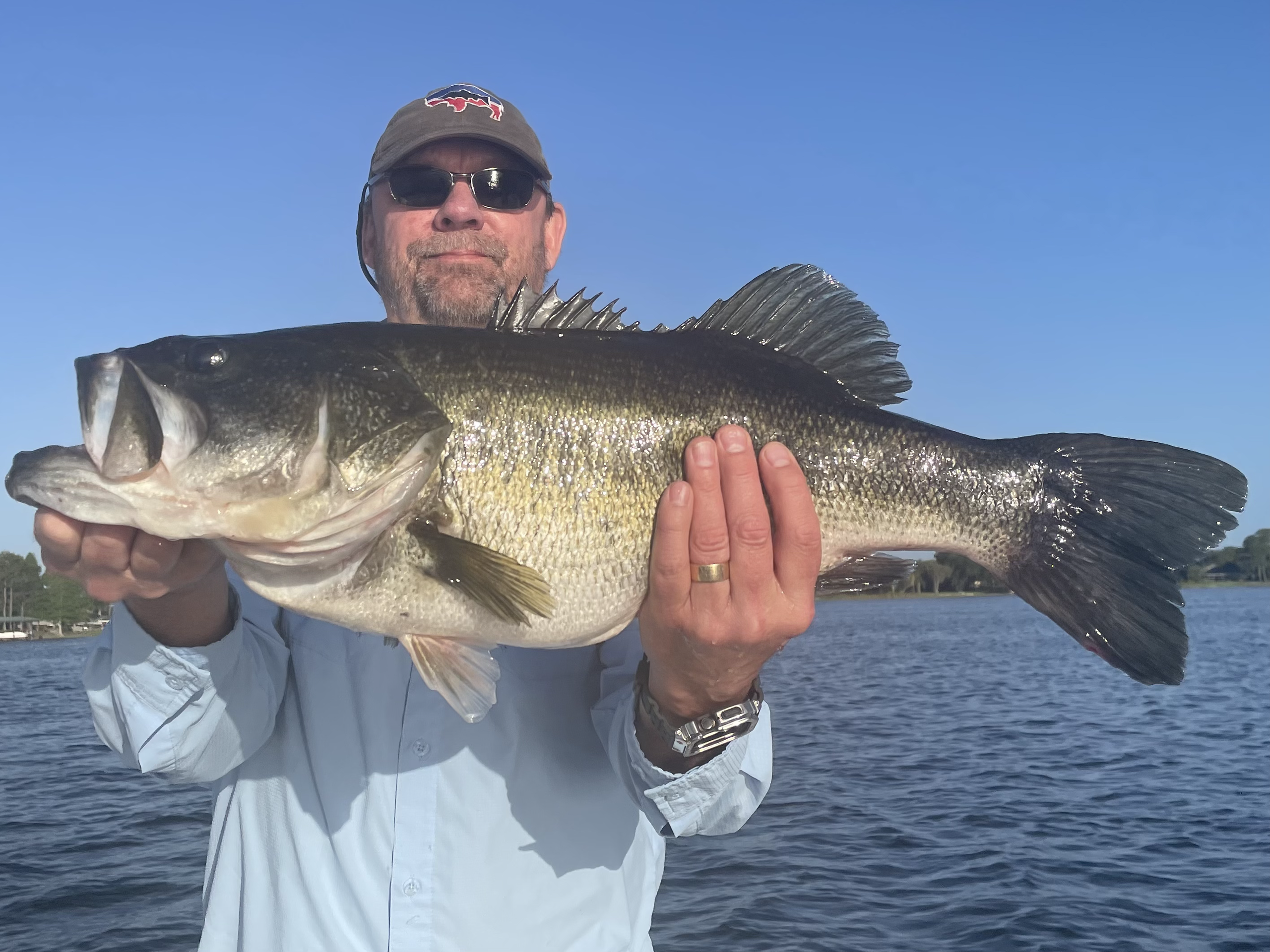
Mulberry is easy to overlook on a map of Florida, but spend a morning casting into one of its waterways and the reasons for coming become clear. This is freshwater country—warm, shallow flats, phosphate-dimpled shorelines, and a network of canals and lakes that concentrate fish. The town sits within a working landscape: agriculture, old phosphate mines, and managed water systems shape where anglers find access and structure. Those human traces actually help fishing here—rocky riprap at bridges, dredge-lines on lakes, and managed water levels create predictable holding areas for largemouth bass, the region’s marquee catch.
The experience is pragmatic and low-fuss. Unlike remote backcountry fisheries, Mulberry’s access points are often a short drive from town, with public boat ramps and bank spots that let you turn a morning or afternoon into a full-session adventure without long approaches. Expect a mixed crowd: weekend families chasing panfish, weekend warriors with bass rods, and a smattering of local guides who fish the same pockets year after year. That local knowledge is the secret sauce. Guides and longtime residents understand how fish respond to seasonal temperature shifts, aquatic vegetation cycles, and even discharges from nearby water management structures.
Seasonality here is nuanced rather than extreme. Winter cool-downs compress fish into predictable deep or stained-water lies; spring spawns bring aggression to shallow vegetated benches; late summer can be technically demanding as fish seek thermoclines and shaded structure. What feels universal across seasons is diversity—crappie and bream provide steady action for families, catfish offer dependable overnight and bank fishing, and trophy largemouth can be triggered with both finesse and power tactics. For travelers, that variety makes Mulberry a forgiving destination: even on an off day for bass, you can usually find action somewhere if you know where to look.
The town’s fishing culture is welcoming and utilitarian; gear lockers and tackle shops are small but serviceable, and launch facilities are often simple concrete ramps or trailer-friendly access points. Bring patience, local questions, and a readiness to adapt. Blend a morning on the water with a drive to a nearby preserve for birding, or add kayaking and shoreline hikes—complementary outdoor pursuits that make a fishing trip here a layered adventure. Whether you’re after a solitary sunrise session, a family-friendly crappie outing, or a guide-led quest for a big bass, Mulberry rewards preparation, timing, and a willingness to fish where the fish actually are.
Access and proximity: public ramps and bank spots make it easy to convert a few hours into a productive outing without long drives.
Variety of species: largemouth bass, crappie, bluegill, and catfish create reliable options for anglers of all skill levels.
The harbor is the gateway, and the Pacific becomes the classroom.
Local knowledge matters: long-time anglers, bait shops, and guides can point you to recent patterns and on-the-water nuances.
Choose by purpose
Whale watching, snorkeling, sunset sailing, cultural canoeing, harbor sightseeing, or private chartering.
Start near the city
Waikiki and Honolulu Harbor are primary hubs, with some trips launching near Hanauma Bay.
Confirm the vessel
Gangways, shaded seating, and boarding requirements vary according to vessel size and operator.