Why Murrells Inlet Punches Above Its Weight for Surfing
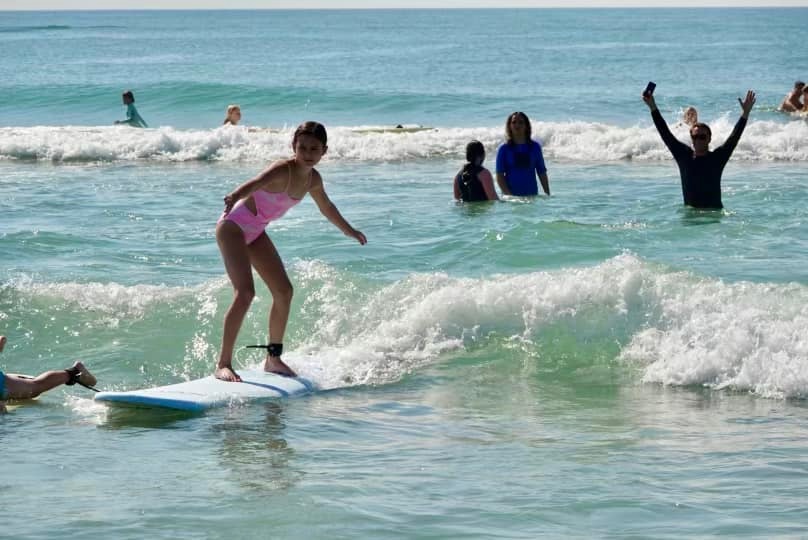
Murrells Inlet sits at the edge of South Carolina’s coastal fringe—a stitched landscape of marsh, tidal creeks, and long sandy spits that shape the surf in subtle, rewarding ways. Unlike wide-open Pacific coasts that deliver hours of obvious swell, this stretch of the Atlantic offers a more intimate surf experience: waves that are governed by tide, wind, and the shifting geometry of sandbars. For travelers who appreciate nuance, Murrells Inlet is satisfying because it rewards local knowledge and timing. Read the tide, find the sandbar, and the surf unfolds in playful peaks and long shoulder sections that are ideal for honing turns, catching longer unbroken rides, or introducing a friend to board control.
The area’s character is as much about the marsh as the sea. Saltwater creeks feed the inlet, feeding nutrient-rich estuaries that support birds, shrimp boats, and old fishing communities. That working coastline creates a cultural backdrop to any surf day—local bait shops, small surf and paddle rental businesses, and waterfront restaurants serve as practical and social anchors. After an afternoon of waves you can rinse salt from your suit and sit to watch shrimp boats float home against a cotton-candy sky, trading surf anecdotes with locals or plotting an early-morning session when winds are calm. This interweaving of natural systems and coastal life gives Murrells Inlet a distinct sense of place: it’s surf lodged inside a living salt-marsh ecosystem rather than a purely commercial beach strip.
Seasonality drives the best sessions. Summer produces consistent southerly winds and plenty of small, friendly waves—perfect for lessons and longboard cruising—while late summer and early fall are when tropical systems or distant swells can send bigger, more organized energy northward. Winters deliver occasional northwest groundswell that excite advanced surfers but also bring colder water and more wind. The surf here is not about relentless giant swells; it’s about productive sessions—you learn to work with tides, spot the cleaner outside lines, and pick your moments. That learning curve makes Murrells Inlet especially appealing for intermediate surfers aiming to upgrade their board control and wave selection, as well as families seeking gentle surf with nearby amenities.
Practically, Murrells Inlet is accessible from Myrtle Beach and the Grand Strand but feels removed enough to offer quieter parking and fewer crowds at many breaks. The geography concentrates activity around a few reliable spots—state park beaches, the inlet mouth, and protected points—so planning matters: look at tide charts, prioritize early mornings for offshore winds, and consider a short stint at nearby Pawleys Island or Huntington Beach State Park if conditions aren’t cooperating. Complementary activities—stand-up paddleboarding through marsh creeks, guided birding, or a chartered fishing morning—round out a surf-focused trip and make Murrells Inlet a versatile coastal base for travelers who want more than a single-activity getaway.
Accessible, beginner-friendly beach breaks sit alongside more technical sandbar peaks—Murrells Inlet is a practical training ground that still offers occasional high-performance sessions.
The salt marsh and inlet influence currents and tidal bars; understanding local tidal windows will dramatically improve your session success rate.
The harbor is the gateway, and the Pacific becomes the classroom.
Nearby conservation areas and state park beaches provide quieter options when the main breaks are crowded, and they pair well with non-surf activities like birding and kayaking.
Choose by purpose
Whale watching, snorkeling, sunset sailing, cultural canoeing, harbor sightseeing, or private chartering.
Start near the city
Waikiki and Honolulu Harbor are primary hubs, with some trips launching near Hanauma Bay.
Confirm the vessel
Gangways, shaded seating, and boarding requirements vary according to vessel size and operator.