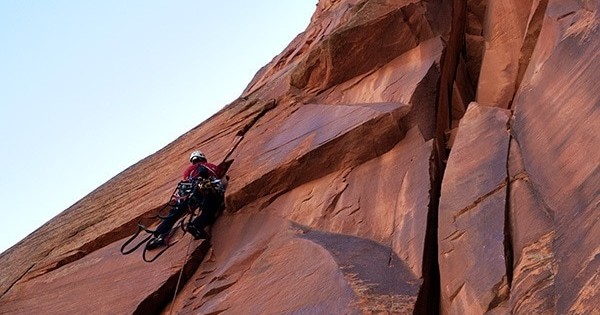
Naples sits where Maine’s gentle hills meet long, cold lakes, and that setting creates climbing that’s intimate, varied, and refreshingly approachable. Geologically, the region is a mosaic—granite ledges punctuate schist outcrops, and glacial erratics form compact boulder fields near the shoreline. This variety translates to an accessible climbing curriculum for a wide range of skills: slab and friction techniques on polished faces, crack climbing that rewards careful footwork, and short, powerful boulder problems that demand precise body position. For travelers who want to mix a day on the rock with a swim, paddling across Sebago’s quieter coves or lowering off a top-rope into a lakeside drop is part of the appeal.
But Naples’ specialness is as much cultural as it is physical. The climbing community here is small and welcoming—local climbers favor low-impact access, modest crowds, and sharing beta over keeping secrets. That ethos means many of the crags retain a near-household feel: parking is often at the end of a gravel road, approaches are measured in minutes rather than hours, and after a long pitch, you’re as likely to be changing out of your climbing shoes in a picnic area as on a crowded trailhead. It’s a place to refine technique, introduce new partners to the sport, or spend a mellow week practicing multipitch transitions without the logistical weight of a major alpine zone.
Seasonality shapes the experience. Late spring brings cool mornings and clean rock after snowmelt; summer offers long days and the option to cool off in a lake after climbing; early fall is the sweet spot—stable weather, brilliant foliage, and fewer insects. Winters are cold and snowy, pushing most rock activity indoors or to the coast where fewer freeze-thaw cycles preserve dry faces. Environmentally, the area is sensitive: shoreline vegetation, fragile lichen communities on ledges, and limited roadside parking mean climbers need to plan for minimal impact—stick to established approaches, pack out chalk and trash, and use natural anchors responsibly. When done thoughtfully, climbing in Naples is not only a technical exercise but a slow, scenic conversation with Maine’s understated landscapes.
The variety of short, concentrated crags makes Naples ideal for learning and refining skills. Many areas are perfect for top-roping and sport practice—quick to rig, quick to repeat. Because routes are generally short, stress is low and learning cycles are fast: try a sequence, adjust technique, and climb again.
Naples pairs easily with other outdoor pursuits: paddleboarding on Sebago Lake after a morning of bouldering, hiking nearby Pleasant Mountain for panoramic perspective, or sampling coastal climbs on a longer Maine road trip. The town’s small-scale infrastructure means planning ahead—especially for guide services and shuttle logistics—keeps your weekend smooth and respectful of local access.
Choose by purpose
Whale watching, snorkeling, sunset sailing, cultural canoeing, harbor sightseeing, or private chartering.
Start near the city
Waikiki and Honolulu Harbor are primary hubs, with some trips launching near Hanauma Bay.
Confirm the vessel
Gangways, shaded seating, and boarding requirements vary according to vessel size and operator.