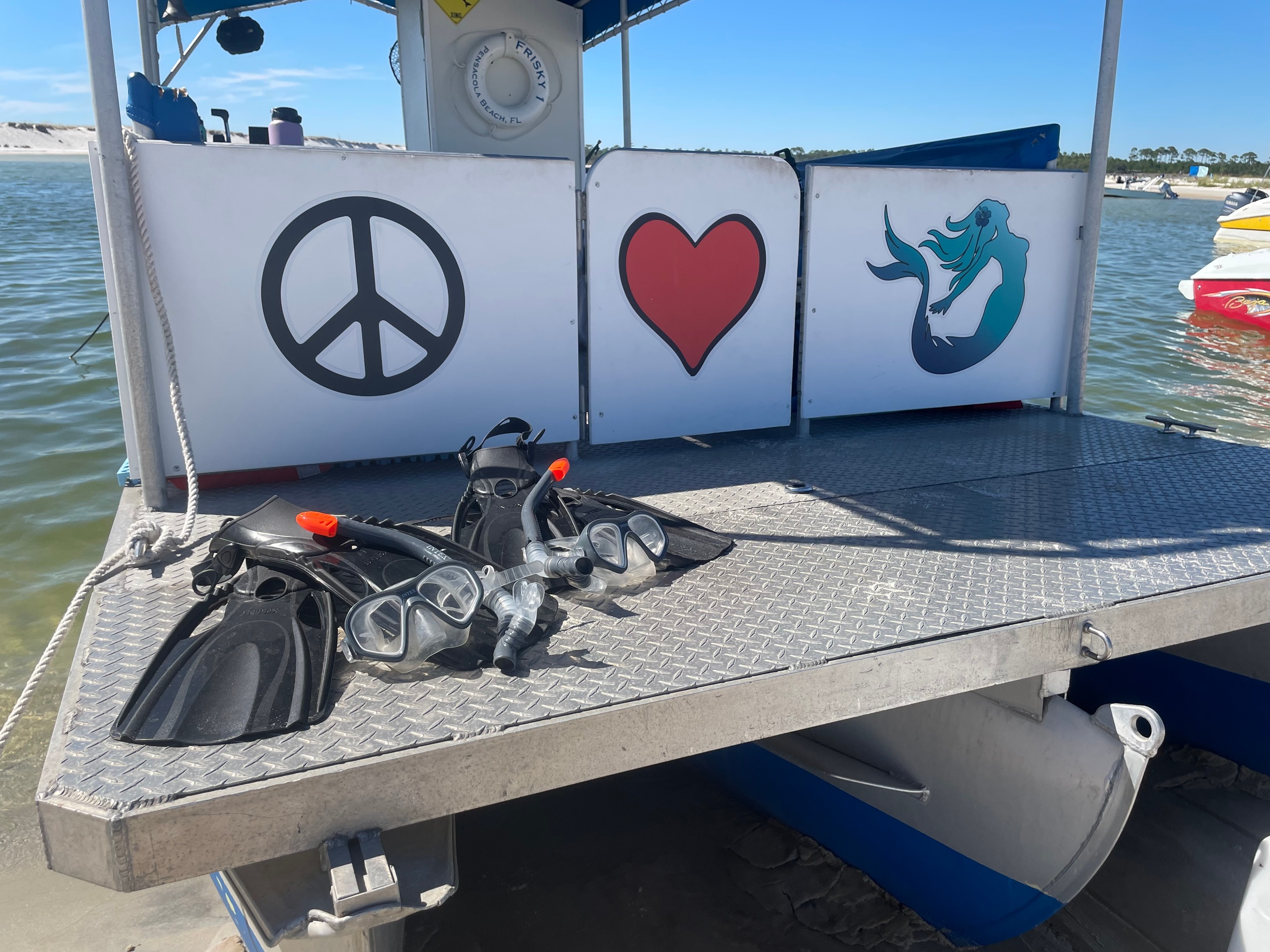
Why Navarre Is a Standout Snorkeling Destination
Navarre sits where the Gulf's long, lazy shoals meet a string of barrier islands and sound-side flats—conditions that create accessible pockets of marine life visible from the surface. Unlike deep-diving destinations that require boats and certification, much of what makes Navarre so rewarding is shallow and approachable: seagrass meadows that hold juvenile fish and rays, rocky pilot reefs and artificial structures that aggregate snapper and sheepshead, and pier pilings that host crabs, barnacles and schooling baitfish. The water here warms early and stays friendly through autumn, so the season for comfortable surface exploration is extended compared with more northern coasts.
Beyond water temperature, Navarre’s relative low-profile reputation is part of its charm. It’s not the high-energy tourist corridor of nearby Destin, so mornings often begin with calm, glassy seas that are ideal for first-time snorkelers and families. That calm paired with broad, gentle beaches means easy entries, limited surge, and plenty of room to spot life without contending with heavy boat traffic. Where boats do run—especially to older, intentionally sunk vessels and nearshore ledges—guided operators have established predictable routes that concentrate fish life while also teaching visitors to respect habitat. Conservation-minded locals and volunteer groups work seasonally to protect sea turtle nesting beaches and restore seagrass, so the experience in Navarre is as much about gentle stewardship as it is about spectacle.
Seasonally, expect the clearest snorkeling in late spring through early fall. Summer thermals and afternoon breezes can stir the surface, but early-morning sessions often provide the best visibility. Hurricane season can alter bottom conditions and visibility for weeks after storm events, so planning windows should include flexibility. For visitors seeking variety, Navarre pairs easily with other coastal adventures: paddleboarding quiet sound channels, casting a light rod at dusk, or joining a glass-bottom or reef tour. These complementary activities let you follow the tide of the day—calm morning snorkeling, sound-side paddles at noon, and a sunset shoreline stroll that might reveal foraging rays near low tide.
Culturally, the town is quietly proud of its coastal life. Local outfitters offer instruction, rental kits, and eco-focused guided trips that elevate a casual float into a curated learning experience. For photographers and naturalists, the area’s mixture of soft-bottom flats and structured reef attracts a diversity of species—juvenile grouper, patch reefs of angelfish, stingrays, and the occasional green sea turtle. That diversity, combined with easy access and the right conditions, makes Navarre a distinctive, democratic snorkeling destination where both novices and practiced surface explorers find something worth bringing home.
Shallow seagrass flats and nearshore reefs make for safe, beginner-friendly snorkeling with abundant juvenile fish and rays.
Navarre's lower profile compared with nearby resort towns often means quieter water and fewer crowded entry points.
The harbor is the gateway, and the Pacific becomes the classroom.
Local outfitters and conservation groups offer guided trips and educational briefings that help preserve fragile habitats while improving visitor experience.
Choose by purpose
Whale watching, snorkeling, sunset sailing, cultural canoeing, harbor sightseeing, or private chartering.
Start near the city
Waikiki and Honolulu Harbor are primary hubs, with some trips launching near Hanauma Bay.
Confirm the vessel
Gangways, shaded seating, and boarding requirements vary according to vessel size and operator.