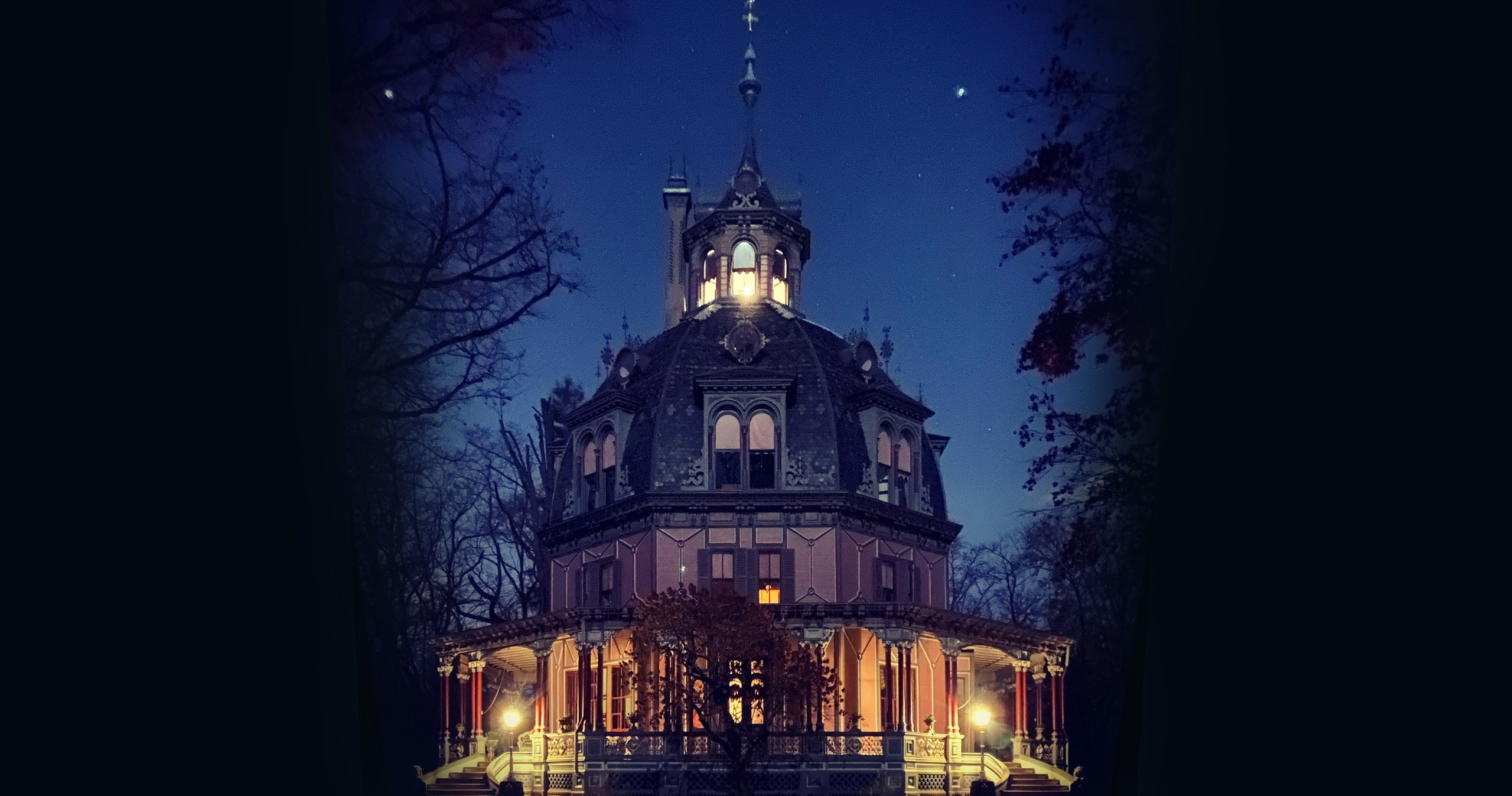
Why New Rochelle Works for Photography Tours
New Rochelle sits at a creative intersection: the salt-sweet air of Long Island Sound, a compact historic downtown, and neighborhood streets whose architectural details are both photographic and approachable. For visiting photographers, the city offers high-impact shooting inside a small geographic footprint—long piers and tidal marshes for sweeping seascapes, manicured parkland and tree-lined residential avenues for seasonal color, and brick-and-stone civic buildings that read well in black-and-white and color work alike.
The best photography tours here do not require long hikes or complicated logistics. A morning tour can start at a waterfront park to catch the soft, low-angle light on pilings and harbor reflections, drift through a harbor-front boardwalk for candid life-by-the-water shots, then thread into downtown for architectural rhythm and human-scale street scenes. Afternoons are ideal for experimenting with longer viewpoints—using neutral-density filters to smooth waves at Glen Island, or timing mid-afternoon clouds to add drama to old facades. At dusk the city loosens a different palette: sodium lights, reflections in calm harbors, and silhouettes of sail masts against a cooling sky.
Because New Rochelle mixes public greenspace and privately owned shoreline, photography tours are as much about timing and respect as they are about composition. Seasonal tides influence foreground texture along the Sound, migratory windows reshape birdlife on exposed flats, and neighborhood calendars—farmers’ markets, summer concerts, maritime festivals—create opportunities for documentary-style images. A guided or self-led photography tour that incorporates tide charts, local transit, and a couple of vantage-point loops yields varied material in a single day without the travel fatigue that comes with bigger coastal destinations. Complementary activities—kayak launches for on-water perspectives, quick ferry hops to neighboring coastal cities for comparison shoots, and short hikes in nearby preserves—turn a focused photography trip into a varied visual study of the Sound’s edge.
Practically, New Rochelle is forgiving for photographers of many levels. Sidewalks and promenades provide easy staging for tripods; several parking areas and short, flat approaches minimize heavy carry; and public restroom and cafe options mean you can shoot longer without logistical pauses. The city is tactile: peeling paint, ironwork, and weathered wood reward close-ups, while low-lying marshes and long piers create strong leading lines for wides. In short, whether you’re running a specialized sunrise workshop, scouting locations for a portrait series, or hunting light for fine-art seascapes, New Rochelle compresses visual variety into a highly serviceable and photogenic setting.
Compact scope: Many of the best vantage points are reachable within a short walk or a 10–15 minute drive, making it easy to pack multiple light conditions into one outing.
Coastal and cultural mix: Long Island Sound provides classic seascape motifs while downtown architecture and seasonal events supply human-interest subjects.
The harbor is the gateway, and the Pacific becomes the classroom.
Accessible for all levels: Minimal elevation and paved access points mean photographers can focus on composition and light rather than slogging through rough terrain.
Choose by purpose
Whale watching, snorkeling, sunset sailing, cultural canoeing, harbor sightseeing, or private chartering.
Start near the city
Waikiki and Honolulu Harbor are primary hubs, with some trips launching near Hanauma Bay.
Confirm the vessel
Gangways, shaded seating, and boarding requirements vary according to vessel size and operator.