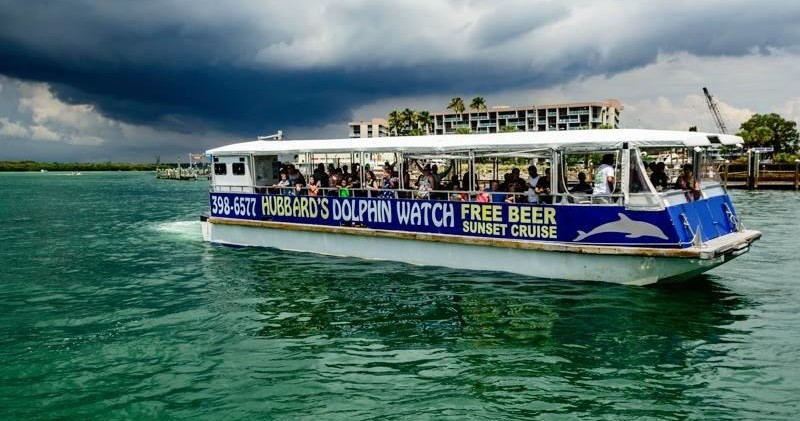
The Gulf here is a quiet workhorse for wildlife viewing: shallow, warm, and fed by a mix of tidal exchange and nearby inlets that concentrate baitfish and draw predators. Bottlenose dolphins have adapted to these conditions with social behaviors that are easy for visitors to witness—porpoising bow-riding, coordinated feeding herds, and the idiosyncratic playfulness of calves. Sightings are rarely a lightning strike; they are the accumulation of tides, tides of fish, and human patience.
More than spectacle, dolphin seasons on the Pinellas County coast are textured. Late spring and summer bring higher calf presence and active surface behaviors as waters warm and food runs intensify. The shoulder months can create glassy mornings ideal for kayakers and photographers, while winter cold fronts sometimes push pods into tighter coastal lanes, making brief but intense windows of visibility. Locally run outfitters know these rhythms and build itineraries around them—short interpretive cruises, eco-conscious kayaking, and private charters focused on nature observation rather than high-speed thrills.
Cultural and environmental context matters here: North Redington Beach sits between developed beachfront and protected bays, and responsible viewing is part of stewardship. Operators and guides emphasize distance, slow approaches, and minimal disturbance—practices that protect both the animals and the quality of the experience. For travelers, that means the most memorable encounters often come from choosing operators with clear wildlife policies and a willingness to linger rather than chase. The payoff is the kind of close, quiet encounter that lingers in memory: the sudden spray of a blow, a gray flank sliding past the bow, and the communal hush that falls over the boat as everyone realizes they are watching an animal at work.
Dolphins are visible year-round, but behavior changes with water temperature and bait availability—late spring through early fall is most active.
Shoreline sightings are common from the North Redington Beach shoreline and local piers; however, open-water tours increase the variety and proximity of encounters.
The harbor is the gateway, and the Pacific becomes the classroom.
Kayak and stand-up paddleboard (SUP) experiences offer the quietest, most intimate vantage but require calm conditions and experienced guides for safety.
Choose operators that follow NOAA and local guidelines—slow approaches, no circling, and no feeding or baiting ensure sustainable sightings.
Choose by purpose
Whale watching, snorkeling, sunset sailing, cultural canoeing, harbor sightseeing, or private chartering.
Start near the city
Waikiki and Honolulu Harbor are primary hubs, with some trips launching near Hanauma Bay.
Confirm the vessel
Gangways, shaded seating, and boarding requirements vary according to vessel size and operator.