Why Odessa Is a Stand-Up Paddleboarding Destination
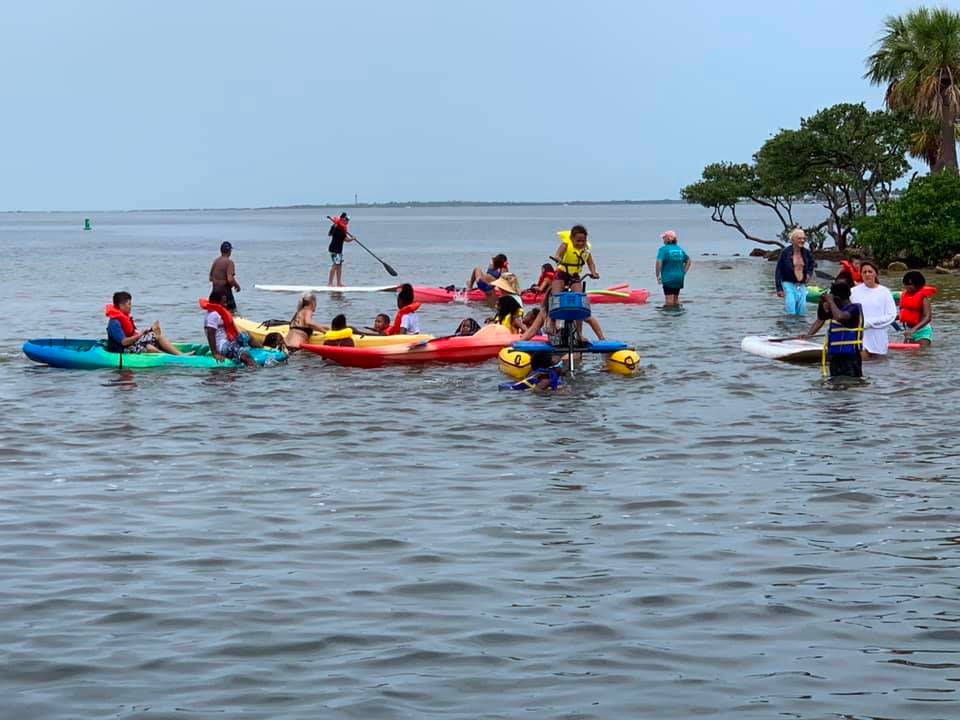
Odessa is a small-pocketed surprise for paddlers: a mosaic of glassy ponds, shallow bays, and sheltered estuary edges that together create a playground for stand-up paddleboarding that’s as accessible as it is engaging. The region’s mix of freshwater and brackish habitats means you can plan a morning flatwater stroke across a mirror-smooth lake and an afternoon glide along mangrove fringing where terns and herons inspect your approach. For travelers seeking low-stress water time, Odessa’s sheltered geometry—short launches, nearby parking, and places to put in within a few miles of one another—keeps the experience simple and repeatable. That ease is also an invitation to learn: SUP lessons, family-friendly rental shops, and guided eco-paddle trips are common in and around the area, making it a great first destination for someone new to standing on a board.
Beyond the practical, Odessa’s paddle experience is built on intimacy. Unlike wide-open coastal beaches with heavy surf, the area’s bays and lakes reward slow, attentive travel. Wildlife is often at eye level: wading birds, ospreys stooping for fish, and the small, secretive movements of marsh creatures along the shore. That proximity makes SUP an ideal way to combine active motion and quiet observation—an approach that suits photographers, birders, and anyone who appreciates measured movement on water. Seasonality here is forgiving; winter months deliver mild, sunny paddles while shoulder seasons trim peak crowds and reduce late-afternoon thunderstorm risk. Summer brings warm, reflective water and lush shoreline growth, but it also asks for earlier starts and mindful weather watching.
Practically, Odessa serves as a logistical hub for varied outings. Short loops and point-to-point paddles make it easy to tailor adventures by group ability and desired duration: 30-minute skill-building sessions, two- to four-hour eco-tours that mix narrative and navigation, or all-day exploratory runs linking a string of small bays and coves. Complementary activities—kayaking, inshore fishing, coastal birding walks, and sunset cruises—are readily available and can be layered into a multi-activity day. The simplicity of put-in sites, combined with options for guided support or self-guided exploration, gives paddlers a chance to push a bit further as skills grow, or to relax with a curated sunset paddle after a day of inland travel.
Environmental stewardship threads through the experience. The shallow flats and marsh edges you’ll explore are productive, fragile systems; good paddling practice—keeping distance from nesting birds, avoiding trampling vulnerable shorelines, and carrying out any trash—maintains the quiet character that makes Odessa special. For visitors, that means paddling with an eye for habitat and picking providers who emphasize low-impact travel. With thoughtful planning—early starts to avoid heat and storms, an eye on tides and wind forecasts, and sensible gear choices—Odessa offers a balanced, approachable SUP scene that feeds both curiosity and calm.
Structure and access are Odessa’s strengths: short drives from Tampa, easy roadside launch points, and a cluster of rental and guide options that suit beginners and experienced paddlers alike.
The area’s mix of freshwater ponds and shallow estuarine edges creates a diversity of micro-environments to explore within a single day—each stretch of water has its own rhythm and typical wildlife.
The harbor is the gateway, and the Pacific becomes the classroom.
Because conditions are often protected, SUP in Odessa scales well for multi-generational groups. Lessons and guided trips emphasize basic safety, wildlife awareness, and calm-water technique, which makes it easy to introduce new paddlers.
Choose by purpose
Whale watching, snorkeling, sunset sailing, cultural canoeing, harbor sightseeing, or private chartering.
Start near the city
Waikiki and Honolulu Harbor are primary hubs, with some trips launching near Hanauma Bay.
Confirm the vessel
Gangways, shaded seating, and boarding requirements vary according to vessel size and operator.