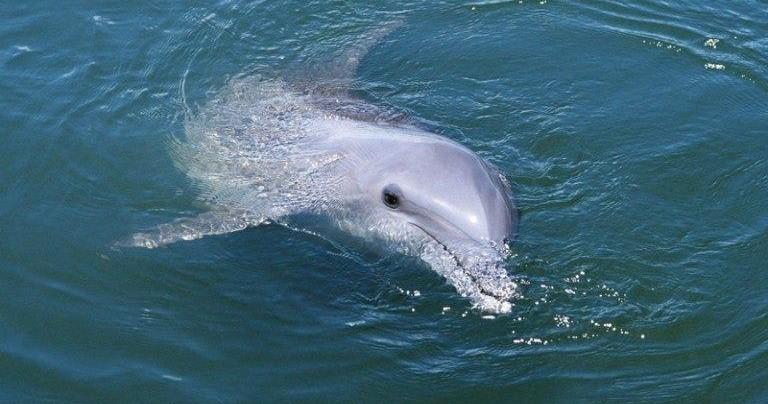
Why Okaloosa Island Is a Standout Dolphin Destination
There’s an intimacy to dolphin watching on Okaloosa Island you don’t always get on larger, deeper-water coasts. The continental shelf here drops gently and the Gulf’s turquoise shallows combine with protected inlets and bays to form feeding corridors where fish concentrate and dolphins follow. Because pods often work the nearshore waters, sightings are frequent from the sandline, and small-boat tours can approach without traveling far offshore. The result is an experience that feels immediate—dorsal fins slicing silver, bow-riding juveniles, and the odd morning chorus of whistles and clicks that mark social life below the surface.
Beyond the spectacle, Okaloosa’s dolphin activity is tightly tied to local ecology and human patterns. Tidal cycles, baitfish movements, and the day’s light all influence where pods will be, and local captains learn these patterns intimately. That local knowledge makes a difference: a morning trip guided by someone who reads the water will almost always outpace a random afternoon search. The island’s built environment—fishing piers, jetties, and the inlet—also creates predictable hotspots where dolphins hunt, rest, and socialize, offering reliable viewing without long, carbon-heavy runs.
For travelers who want more than a glance, Okaloosa Island offers a range of ways to experience dolphins responsibly. Shoreline observers can time low tides and dawn outings for excellent visibility. Kayak and paddleboard tours give a slower, quieter approach that can bring you closer without disturbing animals, while small-group boat tours provide narrated context about dolphin behavior and the surrounding marine ecosystem. There are also seasonal opportunities to pair dolphin watching with snorkeling over nearshore reefs, birding in coastal marshes, or fishing charters—each offering different vantage points on the same coastal processes that concentrate marine life here.
But the best trips balance curiosity with restraint. The local tourism community increasingly emphasizes codes of conduct: no chasing, no feeding, and respectful distances that allow dolphins to choose their interactions. That ethic preserves the same wildness that draws visitors in the first place. Whether you’re a casual beachgoer hoping to spot a passing pod or an experienced paddler aiming for a silent, close-range encounter, Okaloosa Island rewards patience, local insight, and a mindful approach to wildlife viewing.
The shallow Gulf shelf and sheltered inlets create predictable feeding zones, making dolphin sightings common from shore and on short boat trips.
Responsible operators focus on observation first—educational narration and minimal disturbance are standard among vetted tour companies.
Choose by purpose
Whale watching, snorkeling, sunset sailing, cultural canoeing, harbor sightseeing, or private chartering.
Start near the city
Waikiki and Honolulu Harbor are primary hubs, with some trips launching near Hanauma Bay.
Confirm the vessel
Gangways, shaded seating, and boarding requirements vary according to vessel size and operator.