Why Okatie Is a Singular Place for Walking Tours
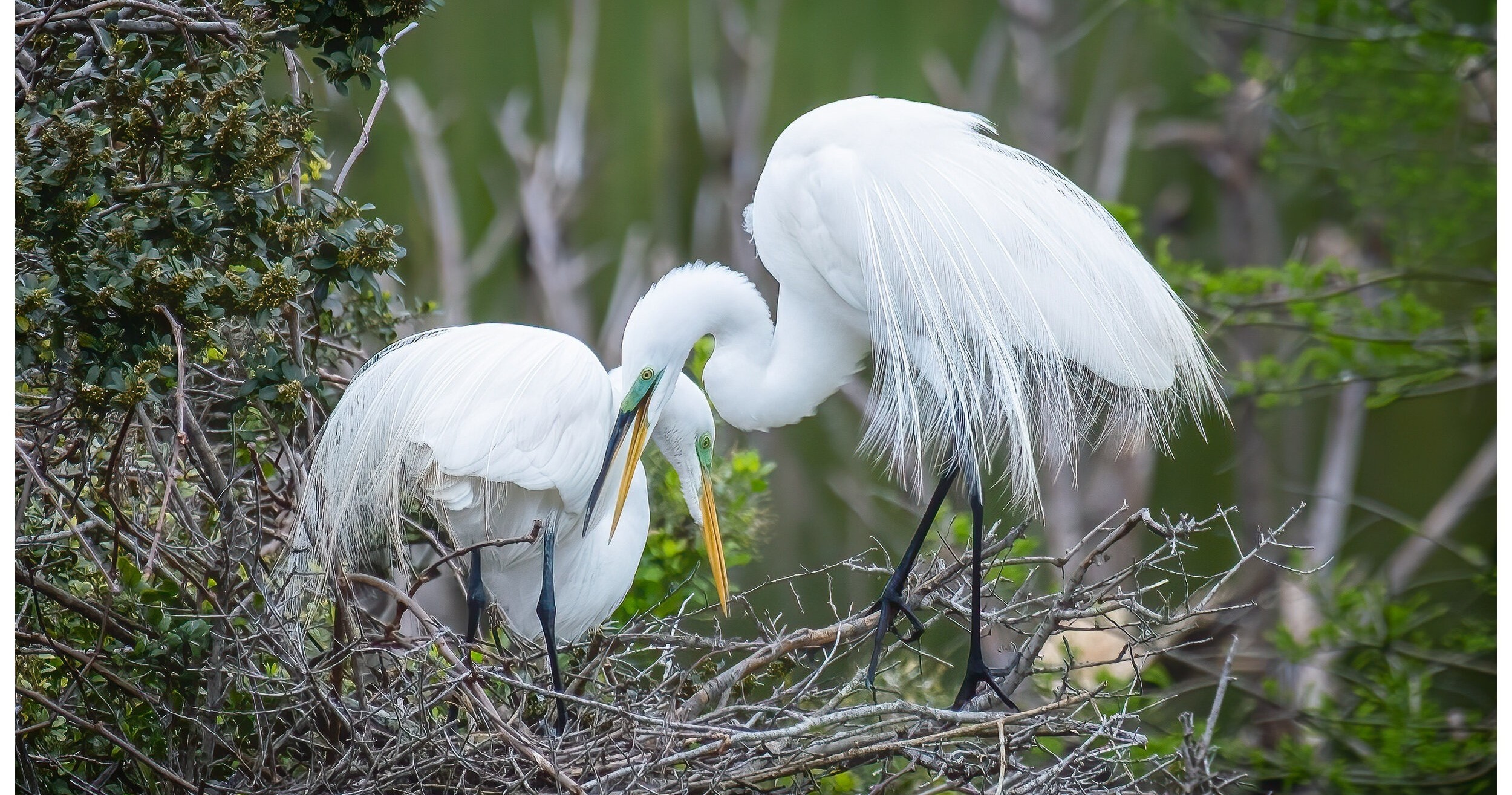
On foot, Okatie reveals itself as a study in contrasts: tidal flat and inland pine, quiet residential lanes and sudden edges of wild marsh where the world tilts toward water. Walking here is less about vertical drama than about texture and tempo. A low, patient landscape rewards curiosity — you begin to read the place by ear and by scent: the metallic hum of insects in summer, the distant slap of a jetty bird taking off, the briny breeze that carries patches of salt and sawgrass. The region’s signature live oaks, heavy with Spanish moss, act as informal signposts. Beneath them, neighborhoods and old plantation lanes open onto public boardwalks, roadside preserves, and small, interpretive trails that emphasize ecology and local history rather than summit views.
For travelers who come with an appetite for layered stories, walking tours in Okatie intersect with cultural chapters of the Lowcountry: Gullah-Geechee influences in craft and cuisine, the agricultural imprints of rice and indigo in the marshland hydrology, and 19th‑century roads that now serve as shaded walking corridors. Guided tours often thread these threads together, pairing a riverside ramble with a talk about tidal cycles and a stop at a family-run eatery for Lowcountry staples. Independent walkers will discover similar pleasures: a quiet mile along the Okatie River at low tide reveals fiddler crabs, shorebirds, and the subtle geometry of oyster reefs; a neighborhood stroll past historic homes exposes vernacular architecture adapted to floodplain life.
Practically speaking, Okatie’s walks tilt toward accessibility. Most routes are low-elevation and can be adjusted for time and interest — 30-minute boardwalk loops and half-day exploratory circuits coexist. The trade-off is exposure: sun, mosquitoes, and shifting tidal mud can reframe an otherwise easy walk. Seasonality shapes both wildlife activity and comfort: spring and fall offer ideal temperatures and migrating birds, while summer brings thick humidity and afternoon storms. Winter is mild and quiet, good for solitary shoreline ambles. Walking here pairs exceptionally well with complementary activities: a kayak float through tidal creeks extends the wildlife viewing from above the marsh, a cycling loop connects more dispersed historic sites, and a guided birding walk will teach you to separate the call of a clapper rail from that of a marsh wren. Whether you choose a curated historic tour, a nature-focused stroll led by a local naturalist, or a self-directed boardwalk outing, Okatie’s walking tours invite a slower kind of discovery — the sort that reads the land in detail and rewards patient observation.
Walking tours often emphasize ecological literacy: guides explain tidal influence on plant communities, how oyster reefs buffer shorelines, and the seasonal patterns of migratory birds.
Many routes are short and adaptable, making Okatie an excellent base for families or travelers who want to pair a morning walk with kayaking, fishing, or a Lowcountry food stop in nearby Bluffton or Hilton Head.