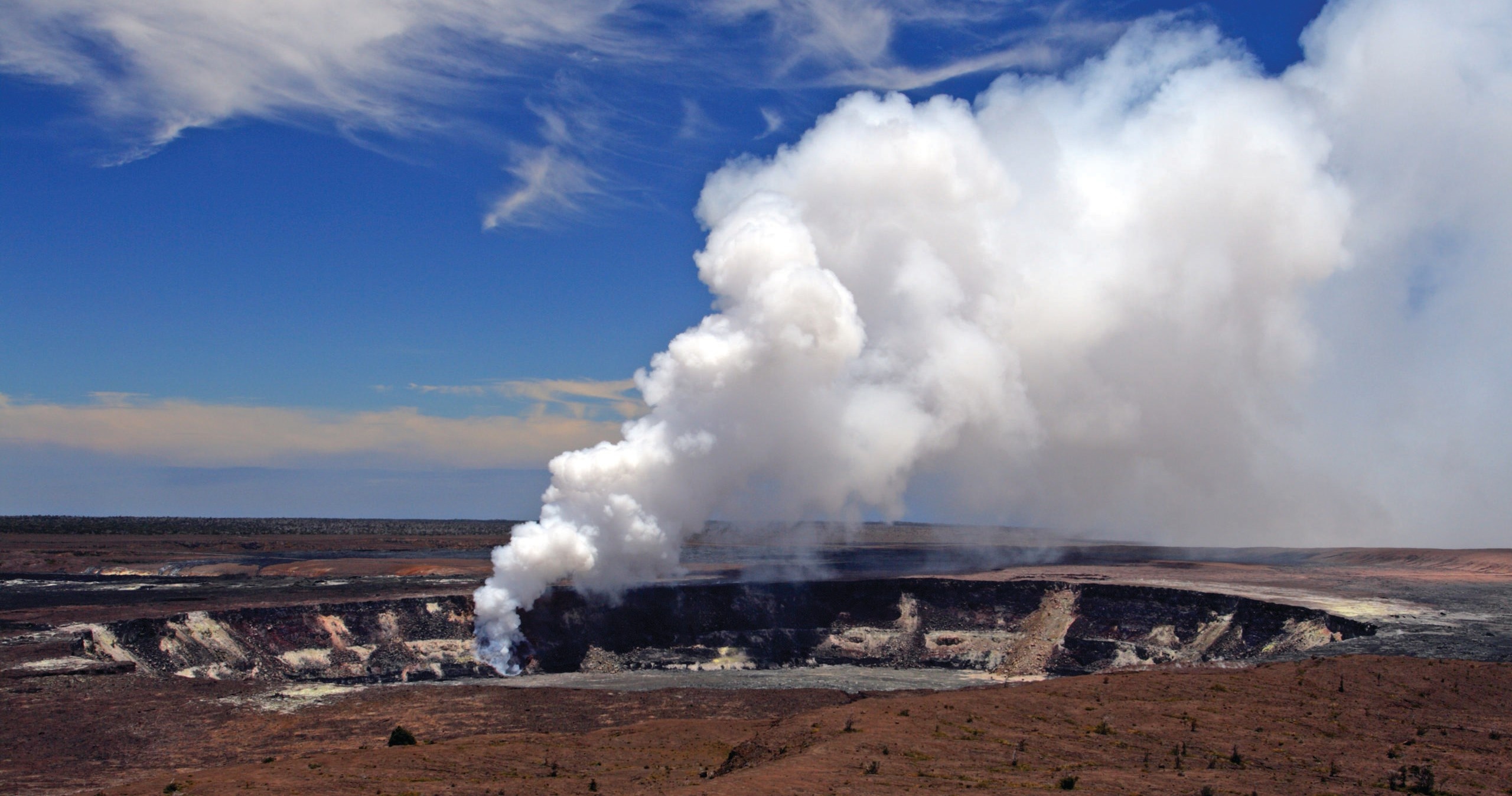
The carriage of a comfortable bus — cabin hum, window framed by ferns and broken black lava — is an unexpectedly intimate way to read this edge of Hawaiʻi Island. Pāhoa sits where the island’s wildness and its everyday, local life overlap: tumbled lava fields slope down toward fishing coves, while neighborhoods of fruit orchards and taro patches cluster around creaking, corrugated-roof shops. Bus tours here do more than transport; they translate. They braid Pele’s geology with kupuna stories, point out edible plants growing by the roadside, and open gates to volcanic overlooks and coastal tidepools that would otherwise require local knowledge or a stubborn rental-car negotiation.
What distinguishes bus tours around Pāhoa is scale and context. On foot you can experience particular micro-environments; on a small, well-run bus you can move between them across hours — from a shaded rainforest stop where hum of insects fills the air to the stark, scarred silence of ʻaʻā lava fields with their glassy, wind-chipped edges. Guides here are often storytellers: they speak to land stewardship, recent flows from Kīlauea, and the cultural significance of sites that may look like empty black rock but are, in Hawaiian understanding, active and sentient places. For travelers who want to see and understand without committing to technical terrain, bus tours offer curated access with a pragmatic safety buffer during changing volcanic or weather conditions.
Pāhoa’s tours are also flexible: half-day coastal routes that stop for snorkeling or tidepool walks; full-day circuits that include rainforest hikes, local farms, and natural hot springs; evening runs timed for sunset light on new lava or for distant glow views when conditions allow. The buses themselves vary — everything from open-sided, small-group vans designed for photo access to larger, climate-controlled coaches with onboard narration. This variety means the experience can be tailored to families, photography-minded travelers, older visitors, or those focused on cultural immersion. Finally, bus tours are a responsible choice here: many operators follow community-based guidelines, limit access to fragile sites, and work with local land stewards to ensure visitation supports, rather than degrades, places that are both ecologically sensitive and culturally sacred.
Small-group vans offer the nimbleness to stop on narrow coastal roads and to transfer onto footpaths for short hikes that connect with swimming spots or lava viewing areas.
Evening and night runs are designed around safe vantage points for glow or steam plumes when volcanic activity is present—operators update routes daily to reflect access and safety conditions.
The harbor is the gateway, and the Pacific becomes the classroom.
Guides commonly include stops at local farms, coffee and fruit stands, and community-run cultural sites—these tie the landscape to livelihoods and create opportunities for direct support of local vendors.
Choose by purpose
Whale watching, snorkeling, sunset sailing, cultural canoeing, harbor sightseeing, or private chartering.
Start near the city
Waikiki and Honolulu Harbor are primary hubs, with some trips launching near Hanauma Bay.
Confirm the vessel
Gangways, shaded seating, and boarding requirements vary according to vessel size and operator.