Top 5 Climbing Adventures in Pāhoa, Hawaii
Pāhoa Climbing Guide

Top 5 Climbing Adventures in Pāhoa, Hawaii

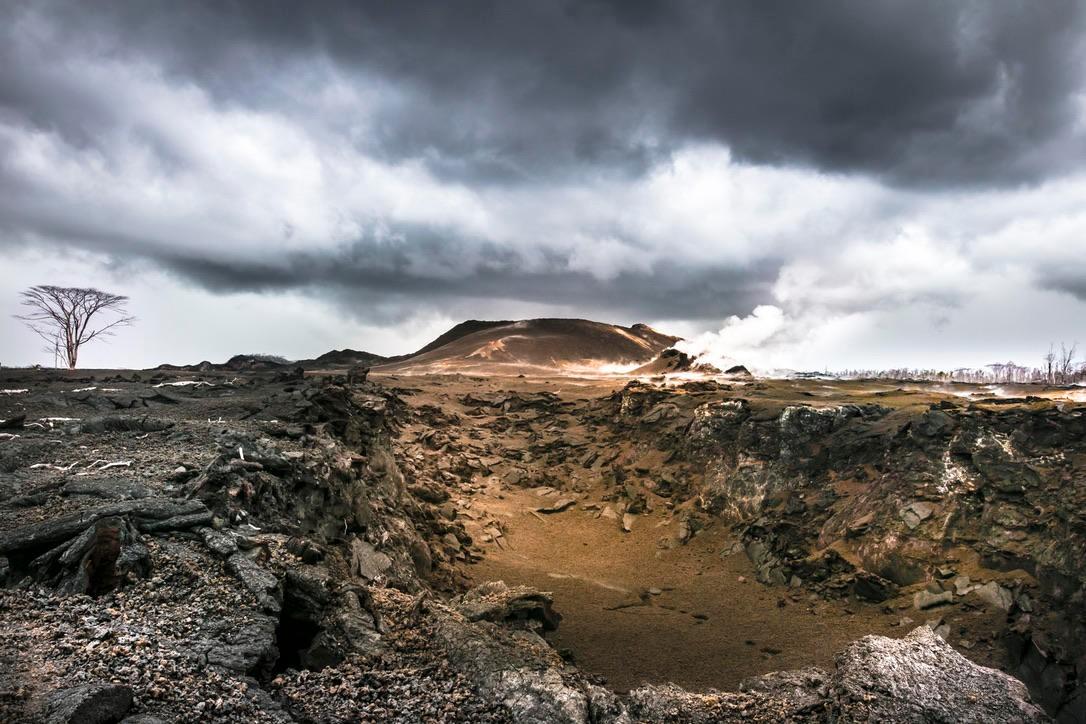
Nestled in the low, warm plains of Puna, Pāhoa doesn’t look like a traditional climbing mecca — and that’s exactly the point. Here the vertical world is sculpted by fire: jagged aʻa and glassy pahoehoe create a landscape of short, powerful lines, sharp ledges, and unexpected sea cliffs. The best climbing in and around Pāhoa blends technical handwork on volcanic basalt with adventures that lean into local culture, tide rhythms, and a landscape still being remade by Kīlauea.

Lava rock boulderingCoastal sea-cliff climbingVolcanic scrambles

Live destination inventory

Top Climbing Trips in Pāhoa

5 trips · Book with confidence · Instant confirmation

The prototype intentionally does not invent replacement trip cards or add images that are not already part of the live source page.

The city from the water

Why Pāhoa Is an Uncommon Climbing Destination

Pāhoa’s climbing personality is raw and compact. You won’t find long granite faces or polished limestone sport sectors here; instead, the climbing reads as a conversation with recent geology. Lava pours, once molten and fast-moving, cooled into ribs, columns, and fractured plates that yield short boulder problems, tricky top-ropes, and dynamic sea-cliff routes. Climbing around Pāhoa is as much about terrain-reading as it is about technique: route-finders prize friction and body tension on abrasive, often sharp stone, while deep-water soloists time climbs to tide and swell and trad-minded climbers piece together crack systems where they exist. The approach to climbing in Pāhoa is neighborly and exploratory. Many of the best outings are less about established, numbered routes and more about structure and safety judgment—identifying solid anchors, testing holds, and knowing where to place a pad or set an anchor. That sensibility makes Pāhoa ideal for climbers who enjoy route-finding, bouldering on unique rock, and combining their climbing days with other volcanic experiences—hiking fresh lava fields, soaking in natural hot springs, or photographing coastal caves. Visiting climbers quickly learn local rhythms: check wind and trade-wind patterns, watch soft sand and rocky access points, and respect areas that are culturally sensitive or intermittently closed due to volcanic activity. Because the area is active geologically and climatically, planning matters. The region’s microclimates can throw an afternoon shower or trade-wind gust at any time; tides and ocean conditions dictate when coastal cliffs are safe to climb or swim beneath. Many routes demand a low-to-moderate commitment in terms of approach length, but a high attention to footwear, skin protection, and anchoring technique—lava rock cuts fabric and skin easily. Pāhoa’s climbing appeals to people who want hands-on engagement with the island’s volcanic story: you leave with a sense of terrain that’s constantly evolving, and climbing routes that feel crafted by the earth’s most primal forces rather than by bolting crews and guidebook lists. Put plainly: if you want polished sport crags, you’ll look elsewhere. If you want vertical time on sharp basalt, memorable coastal lines, and climbing that pairs well with snorkel sessions and volcano viewing, Pāhoa is unusually compelling.

Local character matters: climbs here are short but intense, often requiring precise footwork and sticky shoes more than brute endurance. Many lines are best approached as bouldering or short-toprope problems converted to safe sport anchors where appropriate.

The region pairs well with other outdoor activities—snorkeling, tidepooling, surfing, and volcanic hikes. Split a day between a morning boulder session and an afternoon exploring a lava tube or volcanic coastline.

The harbor is the gateway, and the Pacific becomes the classroom.

Respect land access and safety alerts. Some coastal lanes and lava fields are privately owned or seasonally closed after eruptions; check county notices and Hawaiʻi Volcanoes National Park updates before you go.

Activity focus

Choose by purpose

Whale watching, snorkeling, sunset sailing, cultural canoeing, harbor sightseeing, or private chartering.

Departure hubs

Start near the city

Waikiki and Honolulu Harbor are primary hubs, with some trips launching near Hanauma Bay.

Accessibility

Confirm the vessel

Gangways, shaded seating, and boarding requirements vary according to vessel size and operator.
Seasonal planning

Best Time to Visit

Pāhoa is warm year-round, but wind, swell, migration, visibility, and demand change the best match between traveler and trip.

Pāhoa boat tour
Year-round destination

Seasonal highlights change the reason to go

Winter favors humpback encounters; warmer, calmer months favor snorkeling visibility and smoother water.

Humpback season

Drier summer months bring more stable coastal conditions and local visitation increases slightly during holiday periods.

Prime whale watching, winter holidays, higher demand, and earlier sell-outs.

Snorkeling window

April–May–June–July–August–September–October

Typically gentler seas and clearer water for snorkeling trips.

Weather notes

Trade winds year-round

The Big Island’s east side sees tradewinds and afternoon showers year-round. April–October tend to be drier with calmer seas, making coastal climbs and deep-water soloing safer. November–March brings more frequent rain squalls and higher surf; plan for slick rock and limited access to some sea cliffs.

Quieter opportunities

Late spring & summer weekdays

Wet-season months offer solitude and dramatic skies. Expect wet holds, more vegetation encroachment on approaches, and occasional changes in access due to lava activity or coastal erosion.

Match the trip to your comfort

Choose Your Experience Level

Low effort

Beginner

Low-to-moderate boulder problems and short top-rope routes on more stable lava formations; emphasis on technique, balance, and protection from abrasion.

  • Short boulder sessions on pahoehoe sheets
  • Beginner-friendly top-rope lines with established anchors (where available)
  • Guided introduction combining bouldering and a coastal safety briefing
Active day trip

Intermediate

Longer boulder problems, technical friction slabs, and sport/top-rope variations on exposed sea cliffs—requires solid footwork and anchor-building skills.

  • Multi-pad bouldering circuits across aʻa fields
  • Top-rope toprope conversions and anchor practice near coastal ledges
  • Deep-water soloing on low cliffs at calm tide
Longer or technical

Advanced

Exposed sea-cliff routes, complex anchor and trad placements on fractured basalt, and remote technical routes requiring navigation, rope management, and heavy-weather contingency planning.

  • Big-water soloing on taller sea cliffs at precise tide windows
  • Technical crack or face climbs on broken columnar lava requiring trad gear
  • Multi-pitch aid/top-rope hybrids where rock quality allows

Prepare for sun, spray, and swell

What to Bring

Essential

Core kit

  • Approach shoes with good grip and a pair of sticky climbing shoes
  • Helmet (for sea-cliff and loose-lava areas)
  • Crash pad or pads for bouldering
  • Plenty of water and sun protection (broad-brim hat, reef-safe sunscreen)
Recommended

Useful extras

  • Light rope (30–50m) and a minimal trad/sport rack if you plan anchors or top-roping
  • Anchor slings and a few locking carabiners for improvised top-ropes
  • Gloves or tape to protect hands from sharp lava
  • First-aid kit and a basic repair kit for shoes and clothing
Optional

Trip-specific

  • Wetsuit or neoprene booties for deep-water soloing days
  • Stiff-soled approach shoes for long lava walks
  • Compact camera or action cam with a secure strap for coastal photography
Always check current volcanic advisories, tide charts, and local access notices before you go.

Insider Tips & Local Knowledge

Reserve whale-watching and popular sunset cruises well ahead during December–April.
Choose morning snorkeling departures for calmer seas and better underwater visibility.
For motion sensitivity, choose a larger vessel, sit mid-ship, and take preventative medication before boarding.
Do not touch coral or wildlife, avoid standing on reefs, and use reef-safe sunscreen.
Community-based operators may add context about traditional navigation and stewardship.
Arrive early for parking and check-in because Waikiki departure areas can be busy.

Planning questions

Frequently Asked Questions

Access rules vary: many climbing and bouldering spots are on public county land or coastal right-of-way, but some approaches cross private property or culturally sensitive areas. There isn’t a single island-wide climbing permit; instead, check Hawaiʻi County notices, landowner signage, and Hawaiʻi Volcanoes National Park alerts where relevant.
Top 5 Climbing Adventures in Pāhoa, Hawaii
Ready for your climbing adventure?

Browse 5 verified trips in Pāhoa.

Compare current availability and book with instant confirmation.

Explore Pāhoa climbing