Top 13 Photography Tours in Pāhoa, Hawaii
Pāhoa Photography Tour Guide

Top 13 Photography Tours in Pāhoa, Hawaii

Pāhoa sits at the edge of the island’s most elemental theater—where lava meets sea, rainforest creeps up old flows, and coastal light evolves by the hour. Photography tours here are less about ticking off postcard shots and more about learning to read raw geology, shifting weather, and island light so your camera can translate a place that keeps changing.

Puna DistrictKīlauea volcanic landscapesCoastal lava shorelines

Live destination inventory

Top Photography Tour Trips in Pāhoa

13 trips · Book with confidence · Instant confirmation

The prototype intentionally does not invent replacement trip cards or add images that are not already part of the live source page.

The city from the water

Why Pāhoa Is a Standout Photography Tour Destination

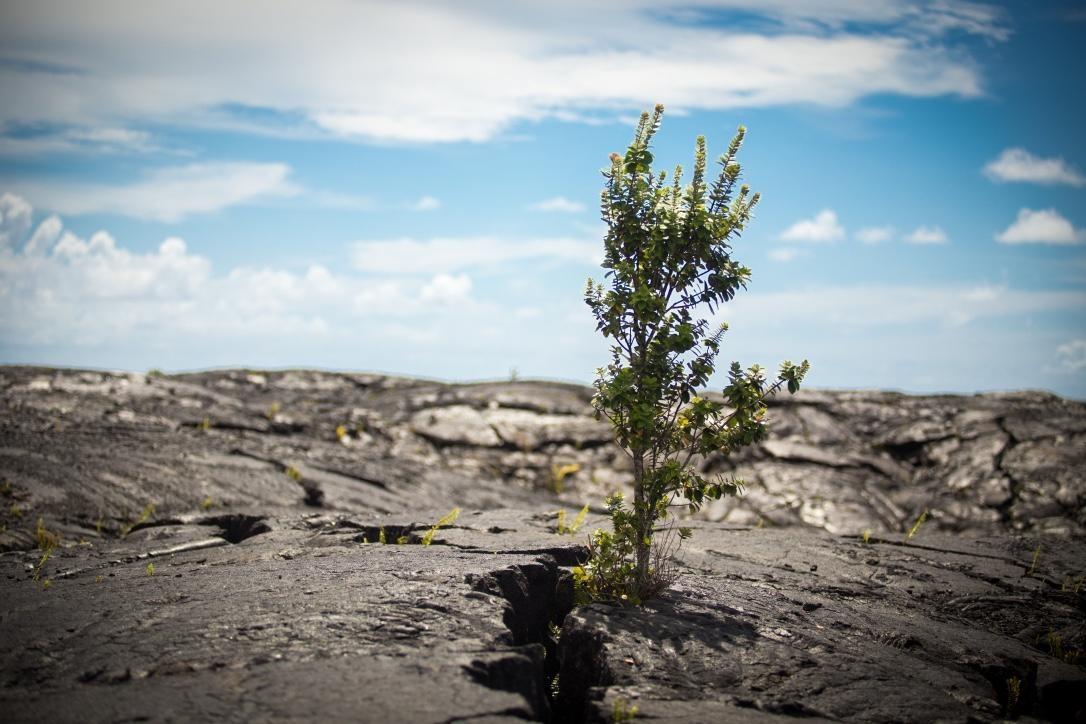
Pāhoa lives at a collision of elements—ocean, fire, and rainforest—that makes it an exceptional classroom for photographers. You won’t find one single iconic vista repeated on postcards; instead the visuals here are cumulative: blackened pahoehoe fields that curve like frozen ocean, sudden green pockets of fern and ʻōhiʻa pushing through cooled crust, and shorelines that hiss where molten rock once poured into the sea. For photographers, that means a diversity of subjects within short drives and short hikes—luminous surf against obsidian rock, textured lava tubes and flow fronts, delicate native plants reclaiming hardened basalt, and long, clear nights for Milky Way composition when vog and humidity allow. A photography tour centered in Pāhoa is as much about learning timing and context as it is about lenses. Light here can be brutal at midday and miraculous during the last hour before sunset, when golden rays carve depth into dark volcanic textures. Early mornings often hold a thin coolness and the chance of rays filtering through rain forest mist. For aerial work and vantage variety, coastal roads and modest ridgelines provide angles that shift a subject from abstract pattern to narrative scene in a matter of minutes. Equally important are the low-light possibilities: when volcanic glow is active beyond the horizon, or when lunar phases combine with clear skies, the land can yield otherworldly long-exposure imagery. Practically, Pāhoa’s compact scale means a well-planned half-day tour can deliver a curated set of images—coastline abstracts, intimate flora, cultural markers, and landscape panoramas—without a lot of driving. Photography here also asks for sensitivity. Many of the most compelling sites are layered with Hawaiian cultural meaning and contemporary land-use complexities. Respectful photography—staying on public access points, asking permission when entering private parcels, and honoring kapu and wahi kūpuna—is essential. Weather and volcanic activity are practical considerations that shape itineraries: vog (volcanic haze) can soften or wash out distant detail but can also create dramatic mood, while sudden showers can flip a sunny plan into a glistening wetland shoot. A good local guide can save hours by reading light, selecting safe vantage points near recent flows, and navigating access nuances. Finally, Pāhoa rewards patience. The best images here come from repeated visits to the same corridor at different times of day and under different atmospheric conditions—an approach that turns a short tour into an unfolding study of place.

The variety is the draw: shoreline abstracts and black-sand textures sit within easy reach of rainforest nooks, roadside lava formations, and cultural scenes in small-town Pāhoa—ideal for photographers who want breadth without long drives.

Seasonality and volcanic behavior both shape photographic opportunity: some months bring clearer skies and better night-sky work; others offer more dramatic ocean interactions where flows reach the sea. Local guides can adapt to these shifting conditions to maximize shoots.

Activity focus

Choose by purpose

Whale watching, snorkeling, sunset sailing, cultural canoeing, harbor sightseeing, or private chartering.

Departure hubs

Start near the city

Waikiki and Honolulu Harbor are primary hubs, with some trips launching near Hanauma Bay.

Accessibility

Confirm the vessel

Gangways, shaded seating, and boarding requirements vary according to vessel size and operator.
Seasonal planning

Best Time to Visit

Pāhoa is warm year-round, but wind, swell, migration, visibility, and demand change the best match between traveler and trip.

Pāhoa boat tour
Year-round destination

Seasonal highlights change the reason to go

Winter favors humpback encounters; warmer, calmer months favor snorkeling visibility and smoother water.

Humpback season

Winter holiday weeks and school breaks draw more visitors; visibility and site access can vary with volcanic activity.

Prime whale watching, winter holidays, higher demand, and earlier sell-outs.

Snorkeling window

April–May–September–October

Typically gentler seas and clearer water for snorkeling trips.

Weather notes

Trade winds year-round

Puna’s microclimates change rapidly—sun can quickly flip to showers. Spring and fall often deliver clearer air and reduced vog, improving distant visibility and night-sky clarity. Humidity is high year-round near the coast; bring quick-dry layers. Trade-wind breaks can make mornings calm for low-angle reflections.

Quieter opportunities

Late spring & summer weekdays

Weekdays in shoulder seasons offer quieter roads and more flexible access to favored overlooks. Post-rain conditions can produce saturated colors, waterfalls in forested pockets, and dramatic cloud-to-coast transitions.

Match the trip to your comfort

Choose Your Experience Level

Low effort

Beginner

Short, low-risk shoots at roadside overlooks, black-sand beaches, and town-front scenes—great for learning composition and golden-hour timing.

  • Sunset seascape at a safe coastal overlook
  • Black-sand texture and tide-pool abstracts
  • Townscape and cultural detail walk in Pāhoa
Active day trip

Intermediate

Half-day tours that include short hikes over old flows, forest-edge compositions, and structured night-sky sessions—requires basic footing confidence and camera familiarity.

  • Guided lava-field walk with compositional coaching
  • Rainforest-edge macro and mid-distance landscape shoot
  • Golden-hour seascape to blue-hour long-exposure session
Longer or technical

Advanced

Full-day, multi-location shoots, low-light/long-exposure technique, and aerial perspectives; may involve navigating rough volcanic terrain and quick shifting conditions.

  • All-day coastal-to-inland landscape rotation with night-sky culmination
  • Lava glow or extended exposure sessions (only with safe viewing conditions)
  • Integrated drone and ground-based composition workflows (where permitted)

Prepare for sun, spray, and swell

What to Bring

Essential

Core kit

  • Sturdy shoes with good traction for uneven lava rock
  • Tripod for long exposures and low-light work
  • Multiple lenses: wide-angle for landscapes, mid-tele for detail and compression
  • Weather-sealed camera bag or rain protection
  • Plenty of water and sun protection
Recommended

Useful extras

  • Neutral density and graduated ND filters for seascapes and long exposures
  • Lens cloths and silica packets—lava spray and humid conditions can leave salt/ash
  • Spare batteries and memory cards (long exposures and cold drains power)
  • Portable rain cover for yourself and gear
  • Headlamp with red-light option for night-sky composition
Optional

Trip-specific

  • Drone (check local rules and volcanic area restrictions before flying)
  • Polarizing filter to cut glare on wet rocks and enhance foliage
  • Handheld GPS or offline mapping app for remote access points
  • Mosquito repellent for rainy-season coastal shoots
Verify access, closures, and volcanic advisories before you go; respect cultural sites and private property.

Insider Tips & Local Knowledge

Reserve whale-watching and popular sunset cruises well ahead during December–April.
Choose morning snorkeling departures for calmer seas and better underwater visibility.
For motion sensitivity, choose a larger vessel, sit mid-ship, and take preventative medication before boarding.
Do not touch coral or wildlife, avoid standing on reefs, and use reef-safe sunscreen.
Community-based operators may add context about traditional navigation and stewardship.
Arrive early for parking and check-in because Waikiki departure areas can be busy.

Planning questions

Frequently Asked Questions

Access rules change with volcanic behavior and land ownership. Many coastal overlooks and state parks are open without special permits, but off-road or private access can require permission. For safety and legality, confirm current closures and access with local authorities or your tour operator before heading out.
Top 13 Photography Tours in Pāhoa, Hawaii
Ready for your photography tour adventure?

Browse 13 verified trips in Pāhoa.

Compare current availability and book with instant confirmation.

Explore Pāhoa photography tour