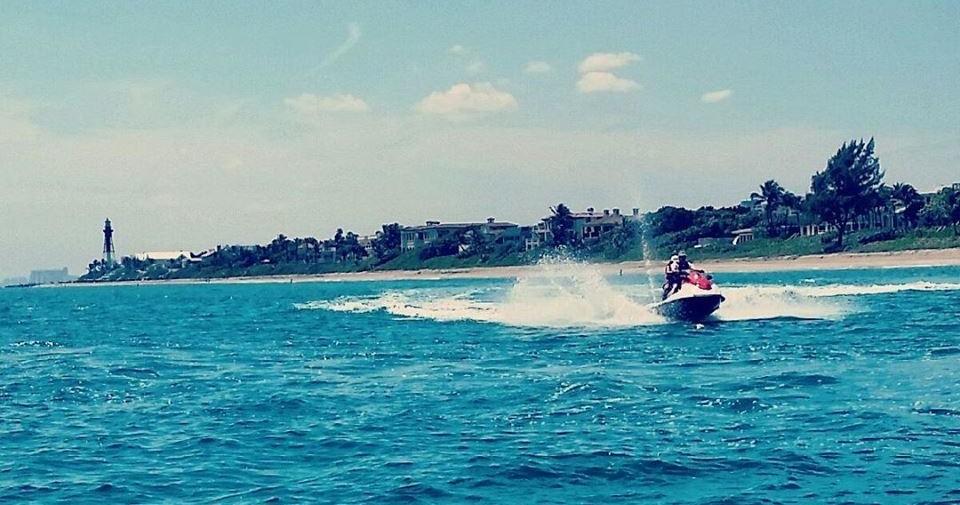
Jet skiing around Parkland is a study in contrasts: the inland city’s quiet, tree-lined neighborhoods give way within minutes to a mosaic of tidal creeks, protected mangrove estuaries, and the sun-streaked expanse of the Atlantic. For travelers who want quick access to water without a long coastal drive, the area is appealing because it offers variety—gentle canal loops that are perfect for first-timers; narrow mangrove fingers that reward slow, attentive exploration; and open Intracoastal channels where you can stretch the ski’s throttle and see the shoreline recede. The ride is as much about environment as it is about motion. Mangrove tunnels teach riders to read shallow-water cues and respect sensitive habitat; intracoastal runs put you near waterfront parks, marinas, and waterfront eateries where you can drop in for lunch; coastal outings open the horizon and present a different set of skills—reading swells, understanding the wind, and scanning for navigational markers.
Parkland’s proximity to a string of beach towns and boating infrastructure makes it an excellent base for rental-based days on the water. Operators near the city tend to be pragmatic—short orientation sessions, modern personal watercraft options for single riders or two-up, and route suggestions tailored to skill level and current conditions. This local knowledge is valuable: tidal flow, windy afternoons, and manatee or no-wake zones shape where and when you’ll ride. A morning launch often brings the calmest water and the lowest traffic; afternoons can be livelier on weekends but also more prone to passing thunderstorms during the summer months. Because the region sits in subtropical South Florida, temperature is rarely a limiting factor—winter rides are crisp and clear, while summer rides require more attention to weather windows and hydration.
Beyond pure jet-ski time, the geography invites a mixed day—pair a half-day rental with a guided eco-kayak tour through mangroves, an afternoon of shore fishing or a sunset cruise along the Intracoastal. Responsible riding matters here: seagrass beds, marked conservation zones, and marine life create rules and etiquette that both protect the ecosystem and keep riders safe. Operators often brief on local restrictions; riders should expect to follow posted speed limits and give wildlife a wide berth. The adventure is accessible—many first-time riders feel confident after a short orientation—but it rewards curiosity. A competent rider can use a rental to explore hidden pockets of shoreline unreachable by car, find quiet coves for a picnic, or reach coastal sandbars on a calm day. For seasoned riders, Parkland’s adjacent coastal corridors provide enough open water for spirited runs and point-to-point outings that link beaches, marinas, and waterfront villages. Ultimately, jet-skiing near Parkland is about quick transitions: from suburban quiet to marine motion in under an hour, with options for serene discovery or bold speed depending on how you plan your day.
Local operators often pair equipment choices with tailored route suggestions—flatwater canal loops for learning, mangrove tours for wildlife viewing, and intracoastal runs for distance. Ask for a recommended loop based on your skill and the day’s conditions.
Because much of the area is ecologically sensitive, operators emphasize etiquette: avoid shallow seagrass beds, respect posted conservation zones, and watch for slower vessels in the Intracoastal Waterway.
Choose by purpose
Whale watching, snorkeling, sunset sailing, cultural canoeing, harbor sightseeing, or private chartering.
Start near the city
Waikiki and Honolulu Harbor are primary hubs, with some trips launching near Hanauma Bay.
Confirm the vessel
Gangways, shaded seating, and boarding requirements vary according to vessel size and operator.