Why Parrish Is a Standout Spot for Boat Tours
Parrish occupies a transitional landscape where freshwater rivers and coastal estuaries meet the Gulf of Mexico. That ecological edge—where oaks and pines give way to salt-tolerant mangroves, seagrass flats, and tidal creeks—makes the area unusually productive for wildlife and quietly scenic from the water. On a typical morning tour you can drift under low-hanging mangrove canopies, watch herons and egrets stalk shallow flats, and, if the season is right, spot manatees slowly grazing on river grasses. The human history of these waterways is woven into the same margins: Indigenous pathways once followed the same currents, and the river systems later became working routes for fishermen, oysterers, and small coastal communities. That combination of natural richness and understated human presence gives boat tours from Parrish a contemplative feel—less about high-speed thrills and more about being present in an intertidal landscape.
Practical considerations shape the experience here. The waters around Parrish are sheltered compared with open-Gulf charters, which makes them ideal for family outings and wildlife-focused trips; glassy mornings and gentle tidal flows favor quiet boats that let you hear birds and watch for subtle movements in the grass. Seasonality matters: winter and early spring bring clearer skies, cooler temperatures, and concentrated bird migrations, while summer offers lush shoreline growth and excellent opportunities for late-afternoon lightning-free sunsets; however, it also brings afternoon thunderstorms and the Atlantic hurricane season’s broader influence. Boat tours in Parrish often double as access to complementary activities—kayaking or paddleboarding in calmer tributaries, shore-side nature walks through preserve parcels, or on-the-water fishing for speckled trout and redfish. For travelers, Parrish is best approached as a slow-coast destination: pick a time of day that matches your priorities (sunrise for bird activity, mid-morning for calm water, sunset for light and a warm color palette) and choose a tour operator who emphasizes interpretive guiding if you want to learn about the ecology and local stories.
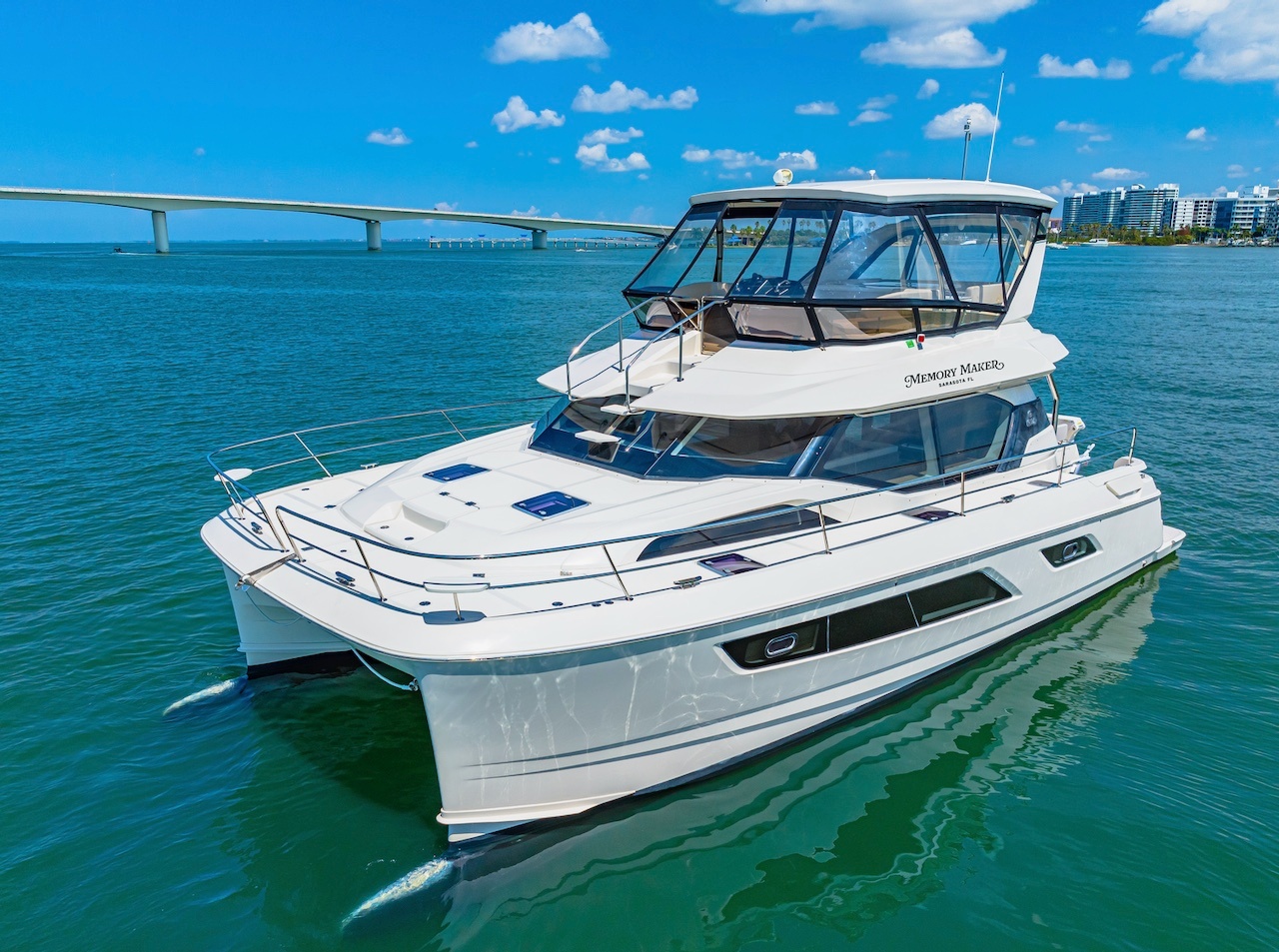
Because many Parrish tours focus on smaller waterways, accessibility and gear choices are straightforward but worth planning. Boats are often shallow-draft skiffs, flats boats, or small covered cruisers that limit rough-water exposure but may have minimal facilities—bring sun protection, motion-sickness precautions if prone, and a dry bag for phones and layers. When you book, ask about group size, whether the tour stops for photography or short shore visits, and how operators handle wildlife encounters to ensure respectful distances. In short, Parrish’s appeal for boat tours is quiet specificity: it’s where subtropical estuaries reveal seasonal dramas of migration, feeding, and reproduction against a human scale that feels intimate rather than industrial.
The estuarine mix of fresh and saltwater creates high biological productivity, attracting birds, fish, and marine mammals that make for reliable wildlife viewing from small boats.
Tours range from short wildlife cruises to half-day fishing charters, and many operators offer seasonal specialty trips—sunset cruises, manatee-focused excursions, and eco-guided shoreline walks.
Choose by purpose
Whale watching, snorkeling, sunset sailing, cultural canoeing, harbor sightseeing, or private chartering.
Start near the city
Waikiki and Honolulu Harbor are primary hubs, with some trips launching near Hanauma Bay.
Confirm the vessel
Gangways, shaded seating, and boarding requirements vary according to vessel size and operator.